
Trace of the Villa and the Case for Quiet Tension: Why Environmental Dread Outlasts Shock
Trace of the Villa (Steadyturtle Co., Ltd., released 28 May, 2026) invites players into a decaying, off-grid mansion where a desperate search for a missing sister becomes a careful unearthing of secrets. Rather than trading in jump scares, the game’s premise and pacing emphasize silence, erased identities, and the slow accumulation of unsettling details — the kind of dread that lodges beneath your skin long after play stops.

| Title | Trace of the Villa |
|---|---|
| Developer / Publisher | Steadyturtle Co., Ltd. |
| Steam AppID | 3483660 |
| Release date | 28 May, 2026 |
| Genres | Action, Adventure, Indie |
| Categories / Accessibility | Single-player; Color Alternatives; Custom Volume Controls; Playable without Timed Input; Subtitle Options; Family Sharing |
| Short premise (official) | Jin has spent years searching for his missing sister, pursuing leads that took him to a remote, decaying mansion where he recovered manifests and hints that indicate his sister may still be alive, somewhere at the end of the trail he is about to follow. |
| Store page | Trace of the Villa on Steam |
Who is this for?
Trace of the Villa will appeal to players who prize atmosphere and narrative puzzle design over reflex-driven thrills. If you prefer story-rich investigation, careful reading of environmental clues, and tension brewed from absence and ambiguity rather than repeated loud shocks, this is aimed at you. The Steam categories also flag accessibility features — subtitles, custom volume controls, and ‘playable without timed input’ — that support a patient, methodical approach.
What the game is (and what it isn’t)
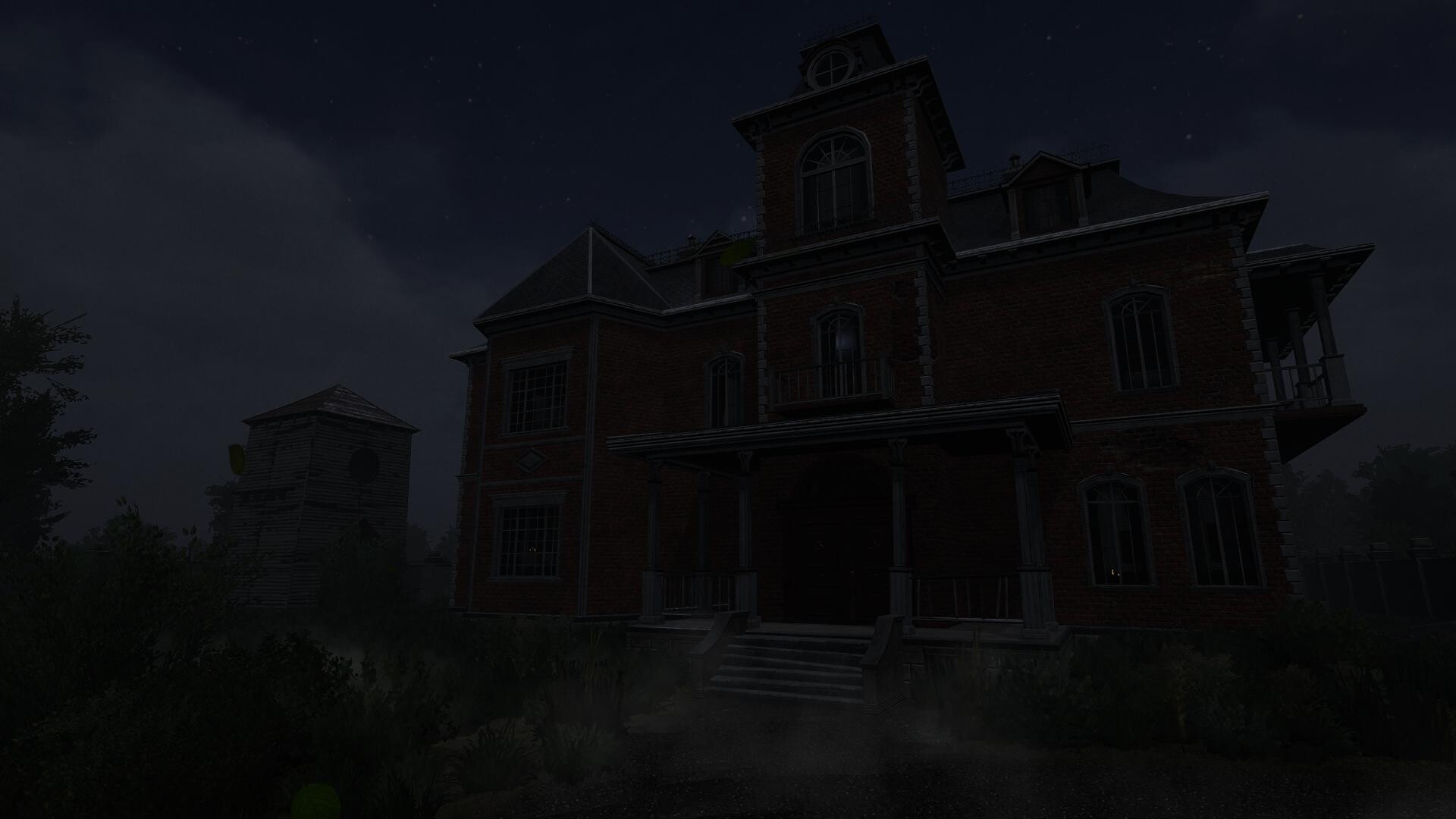
Official materials position Trace of the Villa as a mystery-driven action/adventure indie where Jin explores a deliberately forgotten mansion. The estate feels “less abandoned than erased”: rooms furnished as if occupants vanished mid-routine, personal items without names, and locked doors hiding secured systems and encrypted fragments. When power is restored, hidden compartments and safes yield deeper evidence of a concealed operation. The game’s emphasis is environmental storytelling and clue-driven exploration rather than overt cinematic frights.
When and where
Trace of the Villa released on 28 May, 2026 and is available on Steam for PC. The Steam page lists the developer and publisher as Steadyturtle Co., Ltd., and includes the appid 3483660 for reference. Use the official Steam link above to wishlist or buy; a store widget is provided at the end of the article.
Why quiet tension and room design matter more than shock claims
Shock-based horror trades on sudden stimuli that spike adrenaline but rarely sustain unease. Environmental dread, by contrast, seeds uncertainty: furniture arranged as if someone left seconds ago, missing names on belongings, systems that flicker back to life and reveal bureaucratic absences. Those design choices make players supply narrative context from tiny, ambiguous cues — and that act of interpretation keeps your attention engaged and your imagination active. Trace of the Villa’s premise (restoring power, unlocking compartments, following financial and identity trails) is built to reward that patient attention.
How you play: reading clues, restoring systems, and piecing timelines
The official description outlines a clear investigative loop: Jin restores power to parts of the mansion, secured systems come back online, hidden compartments unlock, and safes reveal encrypted documents and suspicious transfer records. Puzzles appear to be integrated into that loop — each solved puzzle or restored system reveals another factual fragment that pushes the timeline forward. Categories like “Playable without Timed Input” suggest the game favors deliberation over twitch reactions, letting players linger on rooms and evidence without artificial pressure.

Player scenarios: who should wishlist this
- Slow-burn explorers: If you value atmospheric mystery adventure and enjoy unpacking a narrative through objects and logs, wishlist this title.
- Puzzle-focused investigators: Players who like clue-driven progression — where solving one lock or restoring one circuit exposes the next breadcrumb — will likely appreciate the structure described in the official materials.
- Accessibility-minded players: The Steam categories list subtitle options, custom volume controls, and non-timed input, making the game accessible to those who prefer to play at an unhurried pace.
- Those chasing loud scares: If you mainly buy games for repeated jump scares or high-action combat, Trace of the Villa’s design intent (environmental dread and erased identities) may not fit that expectation.
How Trace of the Villa compares to nearby titles
The following comparison focuses on tone, puzzle emphasis, exploration style, and player fit — editorial discovery, not endorsement.
| Title | Core tone | Focus | Pacing / Exploration | Player fit |
|---|
Leave a Reply