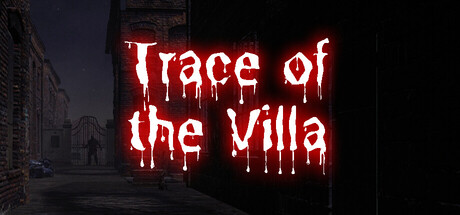
Trace of the Villa — a slow-burn mansion mystery shaped by clue reading and object logic
Trace of the Villa casts you as Jin, a determined searcher following faint manifests and hints through a decaying mansion to learn whether his missing sister is still alive. The game leans on environmental storytelling and layered puzzles — if you prefer reading clues rather than trial-and-error reflex tests, this one is built around that pace.

Quick facts
| Title | Trace of the Villa |
|---|---|
| Developer / Publisher | Steadyturtle Co., Ltd. |
| Release date | 28 May, 2026 |
| Steam AppID | 3483660 |
| Genres | Action, Adventure, Indie |
| Categories | Single-player, Color Alternatives, Custom Volume Controls, Playable without Timed Input, Subtitle Options, Family Sharing |
| Premise (official) | Jin searches a remote, decaying mansion where manifests and hints indicate his sister may still be alive. |
Who is this for?
Trace of the Villa is for players who prefer atmospheric mystery adventure over twitch action: people who value environmental storytelling, careful clue reading, and puzzles that reward observation. The Steam listing highlights accessibility options such as subtitles, color alternatives, and playable-without-timed-input, which suits players who like to take their time without pressure.
What the game is
Officially described by the developer/publisher Steadyturtle Co., Ltd., Trace of the Villa places you in a mansion where rooms feel “erased” of identity and systems only reveal secrets when power and evidence are restored. The gameplay emphasis is on piecing together encrypted documents, manifests, and locked systems to build a timeline; that places it firmly in the narrative puzzle adventure lane with an unsettling, investigative tone.
When and where
Trace of the Villa launched on Steam on 28 May, 2026. It is a PC/Steam title listed under Action, Adventure, Indie and the Steam page shows single-player and a set of accessibility and UI options.
Why the theme matters
The mansion-as-archive conceit matters because it turns objects into evidence. Rooms frozen in mid-routine become primary sources; lack of photographs and falsified records become puzzle elements. That design choice shifts the emotional tone from jump-scare horror to psychological investigation: discoveries feel like reconstruction rather than confrontation, which will appeal to players who appreciate slow-burn suspense and narrative payoff.
How clue reading, object logic, and story puzzles shape the experience
Trace of the Villa foregrounds three interlocking puzzle modes:
- Clue reading: Manifests, transfer records, and encrypted fragments are treated as narrative evidence. Players must cross-reference documents and locations to extend the timeline.
- Object logic: Tangible items and restored systems behave like tools of deduction. The mansion’s furniture and safes are not window dressing but functional puzzle nodes.
- Story puzzles: Solving a mechanical or logic challenge tends to unlock a new piece of story — a document, a log, or a room — so narrative progression and puzzle completion are tightly bound.
Together, these systems mean progress is often cumulative: a discovery in one wing of the house reframes how you interpret a clue in another. That favors players who like to synthesize information and recontextualize small details into a larger plot.


Player scenarios — who will enjoy Trace of the Villa?
- You like investigative pacing: If you enjoy building a timeline from scattered clues, this game’s document-driven reveals will fit your habits.
- You prefer object-based puzzles: If you appreciate puzzles that arise from interacting with household items, safes, and restored devices rather than abstract minigames, this will feel satisfying.
- You value atmosphere and story tone: If slow-burn suspense and a psychological investigation are what draw you, Trace of the Villa aims for that mood rather than blunt horror or constant action.
- You need accessibility options: The Steam page lists subtitle options, color alternatives, and no timed input — useful for players who want control over pacing and presentation.
How it compares — short editorial table
| Title | Genre / Tags | Atmosphere | Puzzle focus | Exploration & pacing | Player fit |
|---|---|---|---|---|---|
| Trace of the Villa | Action, Adventure, Indie | Mansion mystery; investigative, unsettling | Clue reading, object logic, story-linked puzzles | Slow-burn, document- and room-based exploration | Players who like narrative puzzles and deduction |
| The Room | Adventure, Indie | Locked-room, tactile mystique | Mechanical puzzle boxes and tactile manipulation | Focused, self-contained puzzle scenes | Players who enjoy tactile, single-chamber puzzle solves |
| Escape Simulator | Adventure, Casual, Indie, Simulation | Interactive escape-room variety | Highly interactive object puzzles, sandboxy interactions | Room-by-room, often time-attack or cooperative | Players who want physics-rich interaction and co-op |
| Unpacking | Casual, Indie, Simulation | Zen, domestic, quietly narrative | Spatial, object-placement storytelling | Gentle, vignette-based pacing | Players who prefer quiet environmental storytelling |
Deciding whether to wishlist
If you prioritize interpretive, document-led mysteries and appreciate accessibility options for deliberate play, add Trace of the Villa to your wishlist. If you prefer bite-sized mechanical puzzles or physics-based co-op, look to titles with more explicit interaction focus. The Steam page and the game’s official short description make clear this is a narrative-first investigation into a property that feels “erased” of ordinary identity — that tone will determine fit.
Where to look for trailers and gameplay
For trailers and gameplay clips, use this YouTube search path (search results may include community or publisher videos; not all results are verified as official): Trace of the Villa trailer & gameplay search on YouTube.
View Trace of the Villa on Steam
Disclaimer: referenced titles and trademarks belong to their respective owners; comparisons above are editorial discovery, not claims of endorsement or superiority.
Leave a Reply