Trace of the Villa: why silence and environmental dread beat cheap shocks
Trace of the Villa trades jump scares for a slow-burning, room-by-room unease: a decaying mansion where every furnished room feels like a scene frozen mid-routine, and actions such as restoring power or opening a safe peel back new layers of the mystery. Released 28 May, 2026 by Steadyturtle Co., Ltd., it’s a puzzle-led, investigative experience that asks players to read absence as much as presence.

Quick facts
| Title | Trace of the Villa |
|---|---|
| Release date | 28 May, 2026 |
| Developer / Publisher | Steadyturtle Co., Ltd. |
| Steam appid | 3483660 |
| Genres | Action, Adventure, Indie |
| Categories | Single-player; Color Alternatives; Custom Volume Controls; Playable without Timed Input; Subtitle Options; Family Sharing |
| Premise (official) | Jin searches a remote, decaying mansion for his missing sister and recovers manifests and hints that indicate she may still be alive. |
What kind of game is this?
Trace of the Villa is a story-rich, atmospheric mystery adventure built around environmental storytelling and clue-driven exploration. The mansion’s silence is a design choice: rooms are furnished as if people vanished mid-action; locked doors, safes, and systems that only reveal their secrets when power is restored create investigation beats rather than scripted shocks. The official description emphasises puzzles, encrypted documents, concealed operations, and a personal investigation led by protagonist Jin.
Who should wishlist it?
Wishlist this if you prefer slow-burn psychological investigation over constant jump scares; if you enjoy piecing together narrative through found documents, restored systems, and carefully staged interiors; and if you appreciate horror that relies on uncertainty, silence, and the oppressive feel of an erased history. The inclusion of subtitle options and accessibility categories (custom volume controls, playable without timed input) also makes it suitable for players who need configurable pacing.
When and where
Trace of the Villa launched on Steam on 28 May, 2026. The Steam store page lists Steadyturtle Co., Ltd. as both developer and publisher and shows the game under the Action / Adventure / Indie genres with the single-player and accessibility-related categories noted above.
Why quiet tension and room design matter
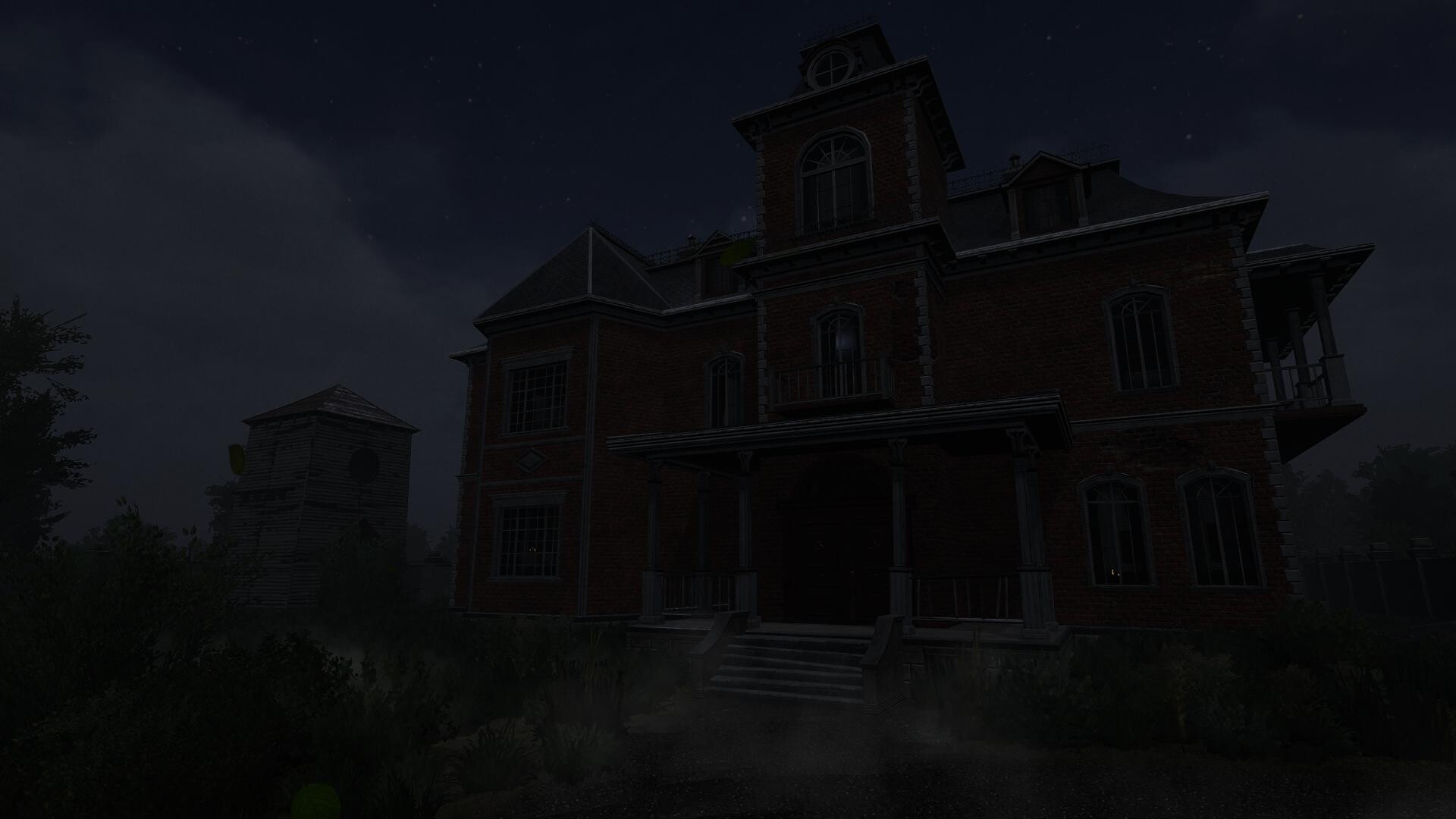
Designers who favour environmental dread use silence and interior detail to create a sustained feeling of wrongness. In Trace of the Villa, the effect comes from what the mansion won’t show: no photographs, no names, and dead systems that you bring back to life. Each restored circuit, unlocked safe, and decrypted fragment is a small confirmation that you are discovering something intentional and concealed — and that uncertainty is not a bug but the point. That kind of dread rewards observation and patience in ways that cheap shocks and repetitive scripted scares cannot.

How you progress — reading clues and unlocking the story
The official text describes moments where Jin restores power, brings systems online, and uncovers safes and encrypted documents. That signals a progression loop centred on exploration, puzzle solving, and evidence collection: examine staged rooms for out-of-place objects, activate estate systems to reveal new areas or clues, and piece together financial trails and falsified identities to understand what the mansion was used for. Puzzles and exploration are therefore narrative devices — every solved lock or recovered manifest advances both gameplay and story.
How this compares — short editorial table
Below is a concise editorial comparison to other single-player atmospheric horror and mystery titles, based on genre, core atmosphere, puzzle focus, exploration style, and pacing. These comparisons are for editorial discovery and to help readers decide if Trace of the Villa fits their tastes.
| Title | Genre / Tone | Atmosphere | Puzzle focus | Exploration style | Pacing |
|---|---|---|---|---|---|
| Trace of the Villa | Action · Adventure · Indie — mansion mystery | Decaying, erased-identity dread; quiet and investigative | Document and system-driven puzzles (safes, encrypted records) | Clue-driven, room-by-room investigation | Slow-burn; emphasis on atmosphere over sudden scares |
| Amnesia: The Dark Descent | Action · Adventure · Indie — survival horror | Immersive, nightmarish dread; emphasis on helplessness | Puzzle-lite with survival and sanity mechanics | First-person exploration with environmental storytelling | Intense, tense sequences mixed with exploration |
| SOMA | Action · Adventure · Indie — sci-fi horror | Underwater, existential unease; philosophical dread | Puzzle and environmental problem solving tied to story | Linear exploration in a confined, atmospheric setting | Measured; tension builds through narrative and setting |
| Layers of Fear (2016) | Adventure · Indie — psychological horror | Victorian, surreal mansion; shifting interiors reflect psyche | Environmental puzzles and progression through chapter beats | Room-focused, sometimes mind-bending exploration | Slow and narrative-driven with moments of disorientation |
| Poppy Playtime | Action · Adventure · Indie — puzzle-horror | Abandoned factory with tense toy-based menace | Mechanical puzzles using signature tools (e.g., GrabPack) | Set-piece exploration with puzzle arenas | Rhythmic: puzzle sequences punctuated by chase moments |
Player scenarios — who will click “Wishlist” now
-
The patient investigator: you enjoy collecting small confirmations (a turned-on light, a
Steam page
View Trace of the Villa on Steam
YouTube discovery
For trailer and gameplay discovery, use YouTube search rather than relying on unverified embeds: Find Trace of the Villa trailer and gameplay searches on YouTube.
Leave a Reply