Trace of the Villa — rooms as puzzle spaces and story containers
Trace of the Villa casts a mansion’s rooms as both mechanical hurdles and narrative containers: each sealed space stores clues, objects, and fragments of a larger operation Jin is trying to decode. Released on 28 May, 2026 by Steadyturtle Co., Ltd., the game frames a slow-burn investigation around manifest fragments, locked systems, and a decaying estate that begins to reveal secrets once power is restored.

Who, What, When, Where, Why, How
Who is this for?
Players who prefer atmospheric mystery adventure and story-rich, clue-driven exploration on PC — readers that like methodical puzzle pacing over twitch action. If you enjoy piecing together timelines from environmental artifacts, interpreting manifests and encrypted fragments, and treating rooms like dossiers, Trace of the Villa will fit that appetite.
What is the game?
Trace of the Villa is an Action/Adventure/Indie title on Steam developed and published by Steadyturtle Co., Ltd. Its premise centers on Jin, who has spent years searching for his missing sister and follows a lead to a remote, decaying mansion where recovered manifests and hints suggest she may still be alive.
When and where is it available?
The game launched on Steam on 28 May, 2026. It is presented on the Steam store with PC-focused context and the standard Steam visibility elements on its store page.
Why does the theme matter?
The mansion setting turns domestic spaces into narrative modules: furnished rooms that feel “erased” rather than merely abandoned act as containers for missing histories. According to the official description, restoring power to the estate makes secured systems come back online, hidden compartments unlock, and safes yield encrypted documents — mechanics that ground puzzle work in investigative plausibility and escalate mystery through discovery.
How do you progress?
Progression is driven by reading clues, logical object use, and solving story puzzles that unlock new information. Rooms operate as both puzzle arenas and evidence boards, where items, manifests, and system restores produce narrative beats. The game’s focus is on assembling fragments — financial trails, falsified identities, and movement records — into a coherent timeline rather than on combat spectacle.
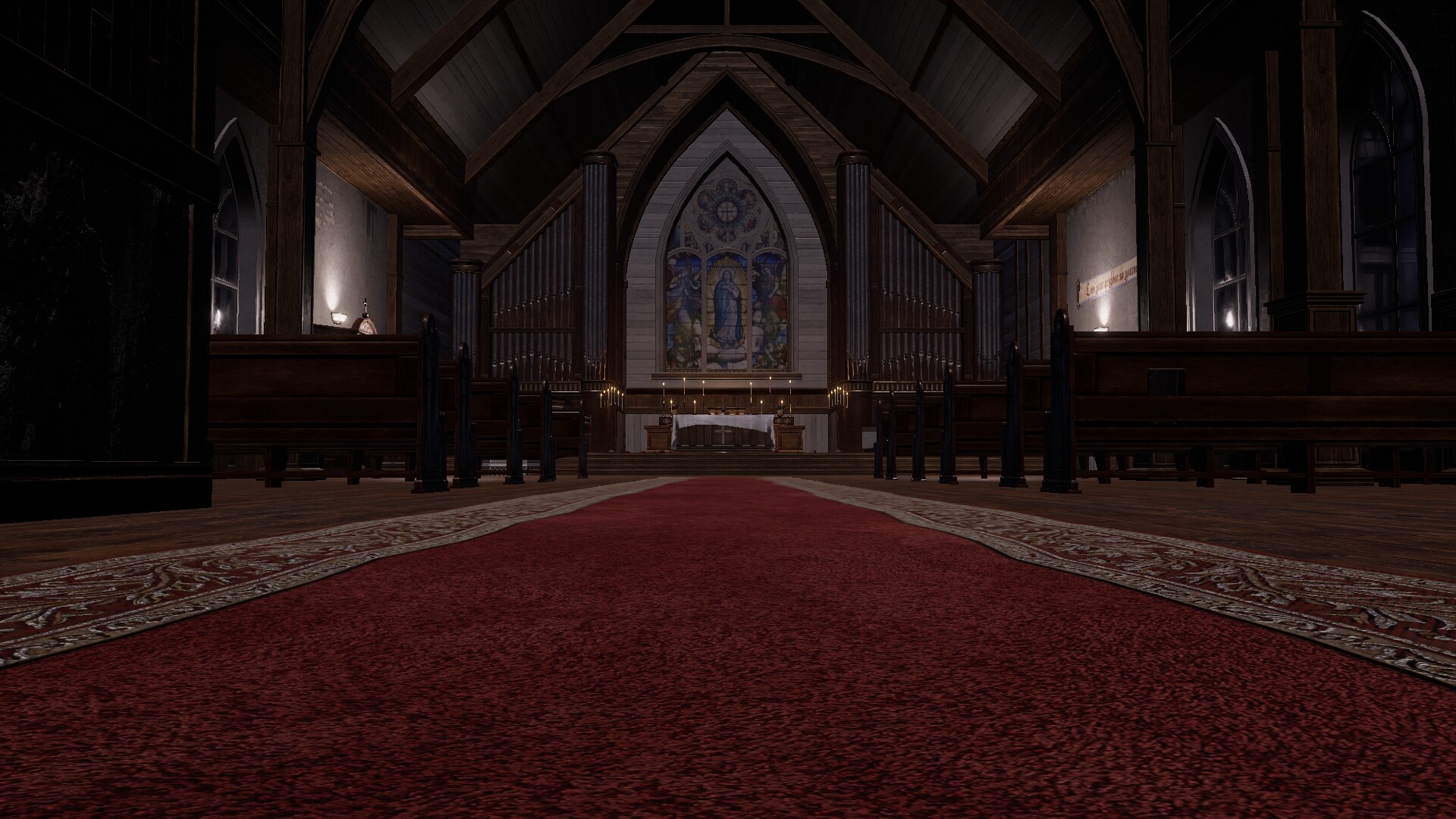
Visuals from the Steam page

Compact facts — Trace of the Villa
| Title | Trace of the Villa |
|---|---|
| Steam AppID | 3483660 |
| Release date | 28 May, 2026 |
| Developer / Publisher | Steadyturtle Co., Ltd. |
| Genres | Action, Adventure, Indie |
| Categories | Single-player; Color Alternatives; Custom Volume Controls; Playable without Timed Input; Subtitle Options; Family Sharing |
| Short description | Jin has spent years searching for his missing sister, pursuing leads that took him to a remote, decaying mansion where he recovered manifests and hints that indicate his sister may still be alive. |
How rooms structure the puzzle-story loop
In Trace of the Villa, rooms are multitextual objects: they hold practical puzzles (locks, safes, secured systems) and narrative residues (manifests, transfer records, deliberately removed identifiers). That dual role matters because each solved mechanical problem tends to answer a practical question (“how do I open this safe?”) while also producing a story artifact (“what does this manifest imply about who passed through here?”). The result is a steady alternation between decoding object logic and assembling story logic.
Player scenarios — who will enjoy this and why
Scenario: The methodical investigator
You enjoy pausing, cataloging clues, and letting an investigation build across multiple rooms. Trace of the Villa’s premise — Jin restoring power and uncovering encrypted fragments — suits players who like evidence accumulation and slow narrative folding.
Scenario: Atmospheric explorers
If you prize mood and environmental storytelling over fast combat, the mansion’s furnished-but-erased rooms provide the quiet, suffocating ambience that supports psychological investigation and mystery pacing.
Scenario: Puzzle-first players
Players who favor object logic — using items and systems to unlock the next area — will find familiar satisfactions here, provided they want those puzzles to serve a broader story about missing people and concealed operations.
How it sits alongside similar games
Below is an editorial comparison focused on genre, atmosphere, puzzle focus, exploration style, story tone, and pacing. These are meant as editorial discovery: not endorsements and not claims of superiority.
| Title | Release | Primary puzzle focus | Atmosphere / story tone | Exploration style |
|---|---|---|---|---|
| Trace of the Villa | 28 May, 2026 | Clue reading, object logic, story puzzles tied to rooms | Decaying mansion; erased identities; investigative, slow-burn suspense | Single-player, room-by-room investigation |
| The Room | 28 Jul, 2014 | Mechanical safes and tactile puzzle boxes (cast-iron safe highlight) | Mysterious, intimate puzzle atmosphere | Contained, room/box-focused puzzles |
| The Room Two | 5 Jul, 2016 | Complex mechanical puzzles extended across connected spaces | Cryptic, exploratory mystery | Progressive interlinked puzzle environments |
| Escape Simulator | 19 Oct, 2021 | Interactive escape-room mechanics; object manipulation | Playful-to-tense escape-room scenarios | Highly interactive rooms, supports co-op/community content |
| Unpacking | 1 Nov, 2021 | Spatial/fit puzzles tied to domestic life and memory | Zen, melancholic; story told through possessions | Quiet, piece-by-piece environmental arrangement |
Steam & discovery notes
Trace of the Villa is presented on Steam with standard PC store metadata and visual assets. If you want to follow the title on Steam, the store page is the canonical source for platform and purchasing details.
YouTube discovery
For trailers or gameplay search results, you can use this YouTube query (search/discovery path): Trace of the Villa trailer & gameplay on YouTube. This link is intended for discovery; a specific official video should be verified on the developer or Steam page.
Decision checklist — should you wishlist it?
- Wishlist if you prefer slow-burn, evidence-driven mansion mysteries and want rooms that act as narrative units.
- Wishlist if you enjoy piecing together manifests, encrypted documents, and restored systems as part of a larger investigative arc.
- Consider waiting if you prefer rapid action or multiplayer-driven puzzles; the Steam metadata lists this as a single-player experience under Action/Adventure/Indie.
Leave a Reply