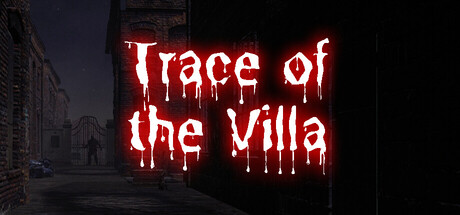
Trace of the Villa — a slow-burn mansion mystery about one man’s search for answers
Trace of the Villa puts you in Jin’s shoes: a years‑long search for a missing sister leads to a remote, deliberately forgotten mansion where manifests, encrypted fragments, and powered‑down systems hint that she may still be alive. Released on 28 May, 2026 by Steadyturtle Co., Ltd., the game frames its stakes around piecing together erased identities and financial trails inside an estate that feels “less abandoned than erased.”

Who, what, when, where, why, and how
Who is this for?
Players who prize atmospheric mystery adventure and environmental storytelling — those who prefer clue-driven exploration, gradual reveals, and emotional stakes tied to a protagonist’s personal quest. If you look for narrative hooks that reward careful attention, this is aimed at you.
What is the game?
Trace of the Villa is an Action/Adventure indie on Steam developed and published by Steadyturtle Co., Ltd. The premise is simple and personal: Jin has spent years searching for his missing sister; a lead finally points to a decaying, off‑grid mansion where manifests and hints imply she may still be alive.
When and where is it available?
Trace of the Villa released on 28 May, 2026 on Steam for PC. See the Steam page to wishlist or buy.
Why the theme matters
The core hook is emotional: the investigation isn’t academic — it’s a brother tracking someone he loves. The mansion’s curated emptiness — furnished rooms without photos or names, locked doors and falsified records — turns ordinary exploration into a search to restore identity and truth. That makes each recovered manifest or decrypted fragment feel like progress toward a human payoff rather than a purely mechanical puzzle reward.
How you read clues and progress
Official descriptions describe restoring power to the estate as a key turning point: returning systems online unlocks hidden compartments, safes, and encrypted documents. Progress hinges on investigating the environment, solving puzzles or systems-based challenges that reveal financial trails, falsified identities, and other fragments of a timeline. The structure suggests measured pacing — discover a lead, restore an area, read the evidence, and move the timeline forward.
Key visuals

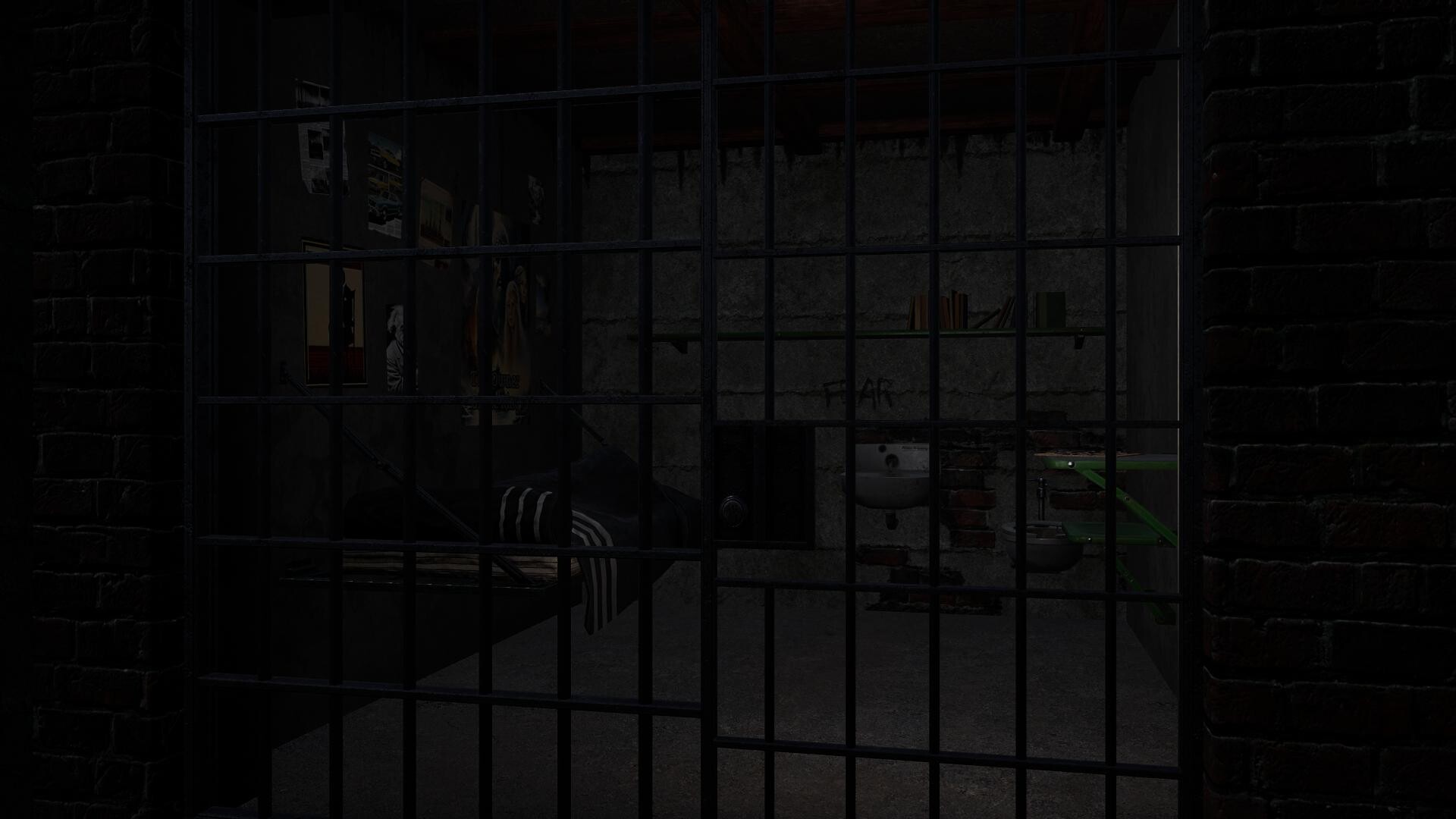
Compact facts — Trace of the Villa
| Title | Trace of the Villa |
|---|---|
| Steam App ID | 3483660 |
| Developer / Publisher | Steadyturtle Co., Ltd. |
| Release date | 28 May, 2026 |
| Genres | Action, Adventure, Indie |
| Notable Steam categories | Single-player; Color Alternatives; Custom Volume Controls; Playable without Timed Input; Subtitle Options; Family Sharing |
| Official short premise | Jin’s search for his missing sister leads to a decaying mansion where manifests and hints indicate she may still be alive. |
Who should wishlist it — specific player scenarios
Scenario 1 — The patient investigator
You enjoy methodical reveals and reading documents, logs, and manifests for story beats. You’ll appreciate a narrative hook driven by piecing timelines together and restoring systems to unlock new information.
Scenario 2 — The atmospheric explorer
You play for mood and environmental design: empty rooms that feel staged, the uncanny absence of names or photos, and the slow accumulation of context. The emotional stakes — Jin’s hope that his sister could still be alive — keep exploration grounded.
Scenario 3 — The puzzle-first player who wants narrative payoff
If you like puzzles that open story content rather than puzzles for their own sake, Trace of the Villa’s progression (powering up areas, decrypting fragments, unlocking compartments) seems tailored to you.
Who might not enjoy it
If you prefer high‑tempo action with immediate payoff, or a game that telegraphs story beats with frequent cutscenes rather than environmental discovery, this slower, clue‑driven approach may feel glacial.
How it compares to nearby story‑rich mystery and exploration games
The table below is an editorial comparison focused on genre, tone, puzzle emphasis, exploration style, and pacing to help decide fit. These are discovery comparisons, not claims of superiority or endorsement.
| Title | Primary focus | Atmosphere & tone | Puzzle / exploration emphasis | Pacing & player fit |
|---|---|---|---|---|
| Trace of the Villa | Personal investigation into a missing person (Jin searching for his sister) | Mansion gloom, staged emptiness, slow-burn suspense | Clue-driven: restore systems, decrypt documents, unlock compartments | Deliberate pacing; for players who want environmental and narrative payoff |
| Inscryption (2021) | Card-based odyssey mixing deckbuilding with meta puzzles | Dark, psychological, often claustrophobic | Escape-room style puzzles integrated with card mechanics | Varied pacing with sudden tonal shifts; for players who like emergent secrets |
| Outer Wilds (2020) | Open-world mystery about a solar system caught in a time loop | Curious, melancholic, exploratory | Environmental puzzles that reveal lore across locations and loops | Exploratory and contemplative; for players who enjoy discovery across an open space |
| The Forgotten City (2021) | Narrative-driven time loop adventure with moral stakes | Ancient, ethical tension, investigative | Puzzle and dialogue choices tied to narrative outcomes | Puzzle-narrative blend; for players who want agency in resolving mysteries |
| The Medium (2021) | Psychological horror exploring real and spirit realms | Haunting, dual-reality, tension-focused | Puzzle solving across two simultaneous planes | Slow to mid pacing; for players who like atmospheric scares and layered storytelling |
Steam page
View Trace of the Villa on Steam
YouTube discovery
For trailer and gameplay discovery, use YouTube search rather than relying on unverified embeds: Find Trace of the Villa trailer and gameplay searches on YouTube.
Leave a Reply