
Trace of the Villa: rooms as puzzle spaces and containers of a missing-sister mystery
Trace of the Villa drops you into a remote, decaying mansion where Jin — a man searching for his missing sister — uncovers manifests, encrypted fragments and locked systems suggesting the house hides more than memories. The game frames each room as both a mechanical puzzle and a piece of narrative architecture: read a clue, test an object, unlock a secret, and the house rearranges what you think you know.

Quick facts
| Title | Trace of the Villa |
|---|---|
| Steam AppID | 3483660 |
| Release date | 28 May, 2026 |
| Developer / Publisher | Steadyturtle Co., Ltd. |
| Genres | Action, Adventure, Indie |
| Categories | Single-player; Color Alternatives; Custom Volume Controls; Playable without Timed Input; Subtitle Options; Family Sharing |
| Premise (short) | Jin finds manifests and hints in a decaying mansion that indicate his missing sister may still be alive. |
Who should wishlist this on Steam?
- Players who favor atmospheric mystery adventure and slow-burn suspense built around environmental storytelling.
- Those who enjoy clue-driven exploration where reading documents and assembling timelines matter as much as mechanical puzzles.
- Fans of story-rich PC mystery games that focus on single-player investigation and careful examination of rooms rather than fast action or multiplayer mechanics.
What Trace of the Villa is (and what it isn’t)
Based on the official Steam description, Trace of the Villa casts you as Jin investigating a property “cut off from the grid” where rooms feel “less abandoned than erased.” The game mixes action and adventure framing with an investigative core: restoring power reveals secured systems, safes and encrypted documents that slowly expose a concealed operation — falsified identities, financial trails and people who arrived and left without records.
This reads like a narrative puzzle design focused on object logic and document clues rather than timed reflex tests; Steam categories explicitly note features such as subtitle options and that the game is playable without timed input, reinforcing a deliberate, read-and-think playstyle.

When and where — Steam context
Trace of the Villa released on 28 May, 2026 and is available on Steam. The developer and publisher is Steadyturtle Co., Ltd., and the store page lists the title under Action / Adventure / Indie categories with single-player and accessibility-related options such as color alternatives and custom volume controls.
Why the mansion setting matters
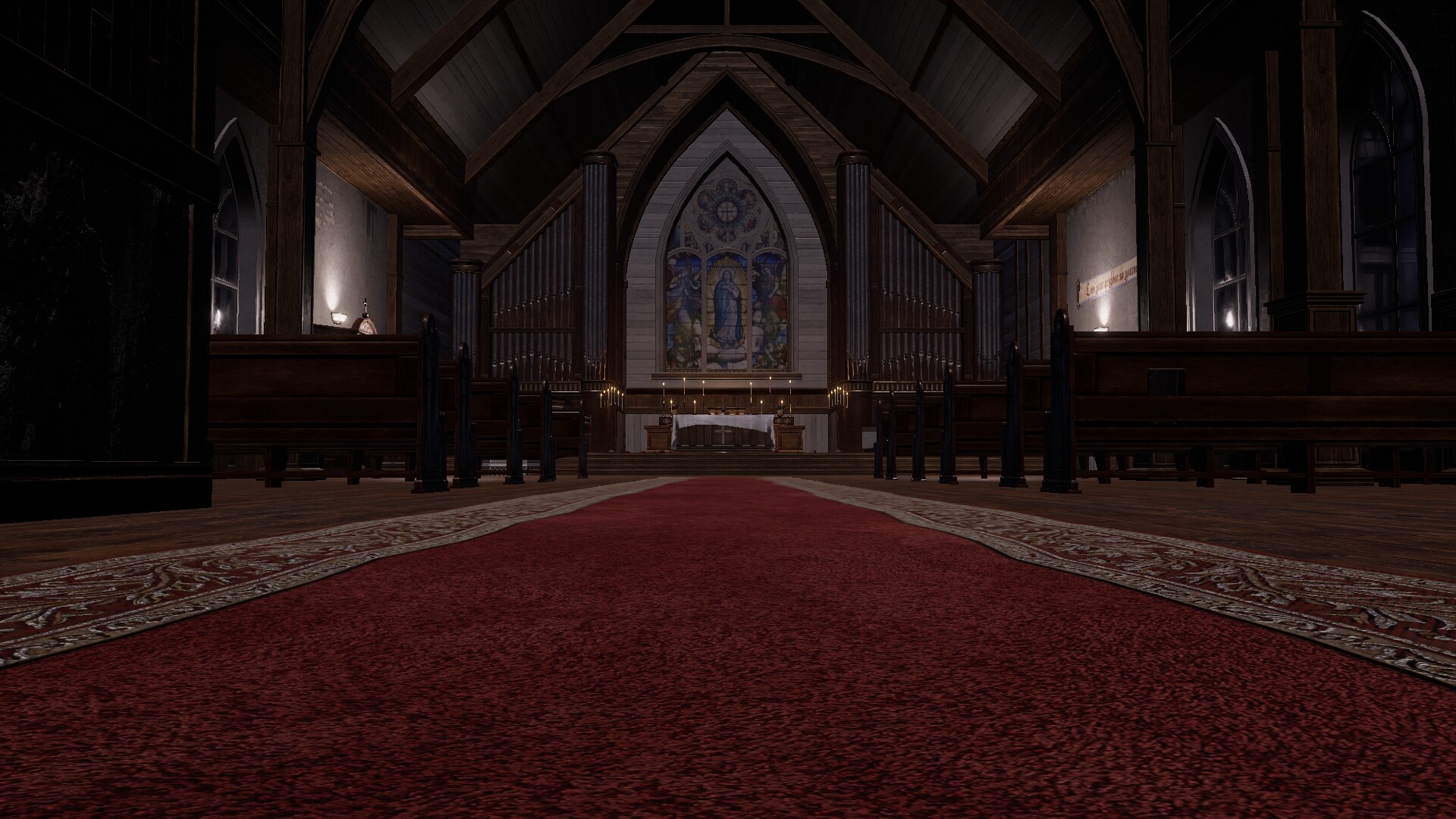
A mansion in a mystery/puzzle game performs two roles at once: it’s a maze of spatial puzzles and a stacked narrative archive. In Trace of the Villa those roles are explicit in the description — rooms “furnished as if their occupants vanished mid-routine,” missing photographs and erased identities — which turns ornament and furniture into evidence. The setting encourages slow reading of space: light fixtures, safes, and restored electronics all become narrative triggers that update your model of what happened.
How players read clues and progress
Trace of the Villa centers around three puzzle pillars: clue reading, object logic, and story puzzles.
- Clue reading: manifests, transfer records, encrypted fragments and recovered logs act as primary narrative devices, forcing players to interpret partial documents and piece together timelines.
- Object logic: rooms are repositories of functional items — safes, hidden compartments and systems that react when power is restored — requiring players to apply environmental logic rather than one-off code guessing.
- Story puzzles: solving mechanical or inventory puzzles unlocks new story fragments, which in turn change how you approach subsequent rooms. Progress is iterative: each revealed system or decrypted file reframes previous evidence.
According to the official text, restoring the estate’s power is a key turning point: “secured systems come back online,” which suggests a rhythm of exploration that alternates document analysis with systems-based problem solving.
Player scenarios — who will enjoy which parts
- Even-paced investigators: If you like assembling timelines from notes and manifests and letting evidence accumulate into a theory, you’ll find Trace of the Villa’s rooms rewarding.
- Atmosphere-first players: Those who relish lighting, sound and set-dressing as narrative tools will appreciate how the mansion’s “erased” feel conveys unease without explicit exposition.
- Puzzle purists: Players who want tight object logic — safes, hidden compartments and systems that respond predictably to player actions — should find the design satisfying, as the official description emphasizes secured systems and encrypted documents rather than random clues.
- Action seekers: If you prefer high-tempo combat or multiplayer interaction, this single-player, story-driven experience (with features like Playable without Timed Input) is likely a mismatch.
How Trace of the Villa compares to nearby puzzle-adventure titles
Below is an editorial comparison on lawful criteria: genre, atmosphere, puzzle focus, exploration style and likely player fit.
| Game | Puzzle focus | Atmosphere / story tone | Exploration style | Player fit |
|---|---|---|---|---|
| Trace of the Villa | Clue reading, object logic, story-linked puzzles (safes, encrypted documents) | Decaying mansion; missing-sister investigation; slow-burn suspense | Room-by-room investigation; restoring systems reveals new areas | Players who want narrative mystery and environmental evidence |
| The Room | Mechanical safes and tactile puzzle boxes | Mysterious, intimate artifacts; occult-tinged curiosity | Focused, chamber-style puzzle progression | Fans of tactile, object-based puzzles with a tight, singular focus |
| Escape Simulator | Highly interactive escape-room puzzles; physics and object interaction | Varied, playful to tense depending on room packs | Modular rooms; supports solo and co-op; community-made content | Players who like physical interaction, cooperative solving and custom rooms |
| Unpacking | Spatial and placement puzzles tied to life fragments | Quiet, domestic
Steam pageView Trace of the Villa on Steam YouTube discoveryFor trailer and gameplay discovery, use YouTube search rather than relying on unverified embeds: Find Trace of the Villa trailer and gameplay searches on YouTube. CommentsMore posts |
Leave a Reply