
Who should consider Trace of the Villa after enjoying atmospheric mystery adventures
Trace of the Villa (Steadyturtle Co., Ltd., released 28 May, 2026) places you inside a decaying mansion where a personal search—for Jin’s missing sister—unfolds through locked doors, restored systems, and fragments of encrypted documents. If you prize slow-burn, clue-driven exploration and environmental storytelling over fast action, this Steam indie leans into investigation and atmosphere rather than loud scares.

The quick facts
| Title | Trace of the Villa |
|---|---|
| Release date | 28 May, 2026 |
| Developer | Steadyturtle Co., Ltd. |
| Publisher | Steadyturtle Co., Ltd. |
| Genres | Action, Adventure, Indie |
| Steam categories | Single-player, Color Alternatives, Custom Volume Controls, Playable without Timed Input, Subtitle Options, Family Sharing |
| Steam page | Trace of the Villa on Steam |
What the game is (short)
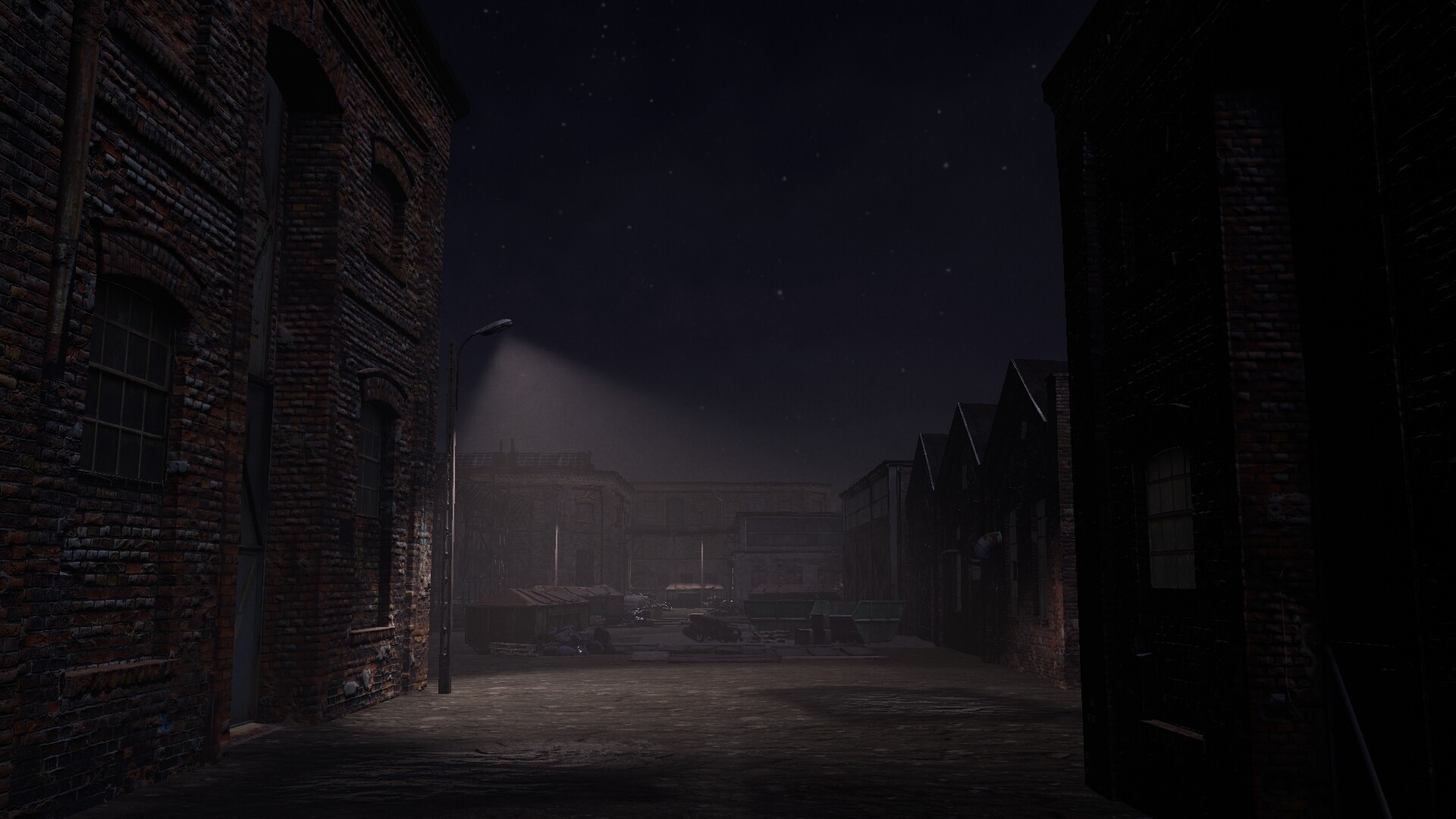
Official premise: “Jin has spent years searching for his missing sister, pursuing leads that took him to a remote, decaying mansion where he recovered manifests and hints that indicate his sister may still be alive, somewhere at the end of the trail he is about to follow.” On Steam, the fuller description expands this into a narrative-investigation: the mansion feels “erased,” power restoration reveals secured systems, hidden compartments, safes, and fragments of encrypted documents that suggest falsified identities and controlled movements.
When and where
Trace of the Villa released on 28 May, 2026 and is listed on Steam. The Steam store entry shows standard single-player and accessibility categories (color alternatives, subtitles, custom volume). Use the Steam page link above to wishlist or check system details.
Why this theme matters
The game’s central conceit—an estate that appears deliberately stripped of names and history—shifts the mystery away from jump scares and toward psychological unease and forensic curiosity. Restoring power and unlocking systems functions as a gameplay and narrative device: the house itself is the information architecture you must interrogate. If you enjoy mystery that feels like piecing together a forensic timeline, that thematic focus will matter more than a focus on combat or timed reflexes.
How you progress — clues, puzzles, and exploration
According to the Steam description, progression is driven by investigation and recovery of evidence: restoring power brings systems back online; hidden compartments and safes yield encrypted documents and suspicious transfer records; each solved puzzle uncovers another layer of a concealed operation. That suggests a clue-driven loop of environmental discovery → puzzle/lock mechanics → narrative fragments, which together form a slowly revealed timeline.
Who should consider it (specific player scenarios)
- You liked narrative, environmental puzzles: If you prefer discovering narrative through objects, documents and unlocked systems rather than through cutscenes, Trace of the Villa’s restored-power/locked-compartment structure will appeal to you.
- You enjoy slow-burn suspense over instant shocks: Players who value creeping atmosphere and accumulating unease—where revelations arrive in pieces—are likely to find the pacing satisfying.
- You want investigation tied to character motive: The protagonist’s personal stake (searching for Jin’s missing sister) frames the exploration, which helps motivate methodical clue-gathering rather than abstract puzzle completion.
- You need accessibility options: The Steam listing includes subtitles, custom volume controls, color alternatives, and options for non-timed input—useful if you prefer to read or examine at your own pace.
How Trace of the Villa compares to nearby mystery/adventure titles
Below is a focused editorial comparison on tone, pacing, clue style, and exploration—intended to help decide if Trace of the Villa matches your tastes relative to similar titles on PC.
| Title | Tone | Pacing | Clues & Puzzles | Exploration Style | Player fit |
|---|---|---|---|---|---|
| Trace of the Villa | Atmospheric, investigative, unsettling (mansion erased of identities) | Slow-burn — discoveries unfold as systems restore | Document fragments, locked compartments, encrypted safes; clue-driven | Systematic mansion exploration with environmental storytelling | Players who like story-rich investigations and methodical puzzle loops |
| Amnesia: The Dark Descent | Survival horror, nightmarish immersion | Immersive, tension-driven with spikes of terror | Environmental clues and notes that fuel dread; physics/puzzle elements | First-person exploration focused on immersion and survival | Players who want horror tension and immersion over detective-style reconstruction |
| SOMA | Sci‑fi existential horror | Measured, story-focused with philosophical beats | Environmental and narrative clues that raise questions about identity | Exploration of confined, thematic spaces (underwater facility) | Players who favor narrative weight and reflective horror in addition to exploration |
| Layers of Fear (2016) | Psychological horror with Victorian mansion atmosphere | Fragmented, psychological pacing — reveals through changes in the environment | Puzzle and story cues embedded in a shifting environment | First-person, atmospheric mansion where rooms change as you progress | Players who enjoy unreliable-space storytelling and evolving environments |
| The Room | Mysterious, focused puzzle tone | Concise, puzzle-led pacing | Mechanical and tactile puzzles (boxes, safes, contraptions) | Localized, puzzle-room exploration with intricate object interaction | Players who prioritize tight, object-based puzzle solving over broad exploration |
Rusty Lake Hotel
YouTube discoveryFor trailer and gameplay discovery, use YouTube search rather than relying on unverified embeds: Find Trace of the Villa trailer and gameplay searches on YouTube. CommentsMore posts |
Leave a Reply