
Trace of the Villa: rooms as puzzle spaces and story containers
Trace of the Villa frames its mystery inside the lived-in silence of a decaying mansion: Jin, the protagonist, follows leads that point to locked rooms, restored systems, and encrypted fragments that may lead to his missing sister. Released on 28 May, 2026 by Steadyturtle Co., Ltd., the game positions rooms as both mechanical puzzles and narrative capsules where clue-reading and object logic reveal a larger, regulated operation.

Who this is for
If you prefer slow-burn suspense and environmental storytelling over twitch action, Trace of the Villa will likely fit your preference. The game is presented as an Action / Adventure / Indie title on Steam but its official description centers on investigation, restoring systems, opening safes, and piecing together encrypted documents — playstyles that favor patient clue-readers and players who enjoy narrative puzzle design in solitary, single-player settings.
What the game is
Trace of the Villa casts the mansion itself as the principal character. According to the Steam page, Jin explores a remote, deliberately forgotten property where rooms appear furnished but stripped of names and photographs; restoring power and opening locked containers yields manifests and hints. The official short description and expanded description emphasize recovered manifests, encrypted documents, safes, and secured systems that come back online as you progress.
Categories on Steam include Single-player and accessibility options such as Color Alternatives, Custom Volume Controls, Playable without Timed Input, and Subtitle Options — useful details for players evaluating comfort and accessibility.
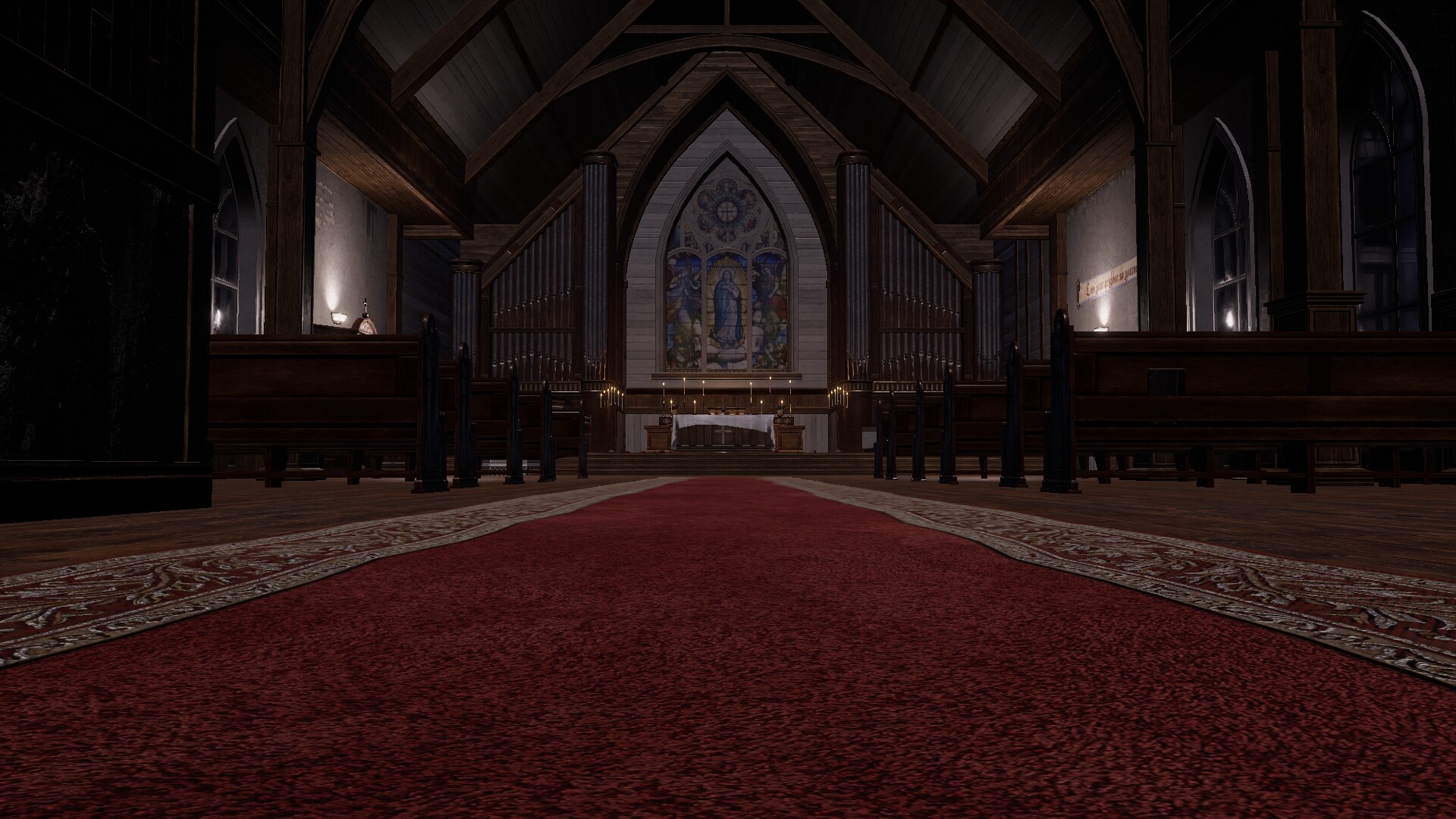
When and where: Steam release details
Trace of the Villa launched on Steam on 28 May, 2026. The game is developed and published by Steadyturtle Co., Ltd. and is listed with the Steam appid 3483660.
Why the mansion-as-room approach matters
Rooms work as puzzle spaces when they contain layered evidence that rewards observation: a misplaced ledger, a powered-down terminal, a hidden compartment. Trace of the Villa’s official description explicitly connects restoring estate power to the house revealing what it was hiding — secured systems come back online, hidden compartments unlock, and safes yield fragments of encrypted documents and suspicious transfer records. That chain links mechanical problem-solving (how do I restore power?) to interpretive clue-reading (what do these manifests imply?), which is precisely what makes rooms credible containers for story.
How clue reading, object logic, and story puzzles shape progression
Based on the Steam text, progression in Trace of the Villa is driven by a loop of discovery: recover a manifest or restore a system, read the new fragment, and use that context to unlock the next sealed space. That loop foregrounds three complementary skills:
- Clue reading — extracting meaning from documents, transfer records, and partial data to understand timelines or motive.
- Object logic — manipulating the environment and using items or systems to access locked or powered areas.
- Story puzzle resolution — assembling narrative fragments into a pattern that explains the mansion’s role in a larger operation.
The mansion’s depiction as “less abandoned than erased” implies puzzles that do more than gate travel: they reintroduce identity and history, making each unlocked room a narrative milestone as well as a mechanical one.
Player scenarios — who will enjoy this, and when to wishlist
- The document-driven detective: If you enjoy reading in-game manifests and following financial trails and encrypted notes to piece together motive and timeline, this game’s restored systems and recovered fragments will be satisfying.
- The atmospheric explorer: Players who value atmosphere, furniture-as-clues, and the slow reveal of a location’s past (rooms that feel mid-routine) should prioritize this title.
- The accessibility-conscious player: Steam categories indicate support for subtitles, color alternatives, and gameplay without timed input — useful if you prefer a more contemplative pace.
Compact facts — Trace of the Villa
| Title | Trace of the Villa |
|---|---|
| Steam AppID | 3483660 |
| Release date | 28 May, 2026 |
| Developer / Publisher | Steadyturtle Co., Ltd. |
| Official short description | Jin searches for his missing sister in a remote, decaying mansion where manifests and hints suggest she may still be alive. |
| Genres | Action, Adventure, Indie |
| Steam categories | Single-player; Color Alternatives; Custom Volume Controls; Playable without Timed Input; Subtitle Options; Family Sharing |
How Trace of the Villa compares — brief editorial table
Below is a concise editorial comparison focused on genre, atmosphere, puzzle focus, exploration style, story tone, and pacing to help you decide which experiences align with your tastes.
| Title | Genre / Feel | Puzzle focus | Exploration style | Story tone / Pacing |
|---|---|---|---|---|
| Trace of the Villa | Action / Adventure / Indie — mansion mystery | Document fragments, restored systems, safes, hidden compartments | Room-by-room investigation; rooms double as narrative containers | Slow-burn, investigative, procedural revelations |
| The Room | Adventure / Indie — tactile puzzle box | Intricate mechanical puzzles centered on a single locked object | Focused, singular-room experiences | Mysterious and tactile; puzzle-first pacing |
| Escape Simulator | Adventure / Simulation — interactive escape rooms | Physical interactivity, object manipulation, community rooms | Multiple discrete rooms; puzzle variety and physical interaction | Varied pacing depending on room; cooperative and solo-friendly |
| Unpacking | Casual / Indie — zen object-placement | Spatial, domestic puzzle: placing objects to fit and tell a story | Home-by-home, low-pressure exploration | Quiet, reflective, slow and narrative-driven without overt mystery |
YouTube discovery
Want trailer or gameplay clips? Search for Trace of the Villa trailers and gameplay on YouTube: YouTube search: Trace of the Villa trailer & gameplay. This is a discovery path rather than an assurance of an official trailer.
Final take — should you wishlist?
If you prize atmospheric mystery adventure, environmental storytelling that uses rooms as evidentiary spaces, and clue-driven progression that ties mechanics to narrative revelations, add Trace of the Villa to your wishlist. Its emphasis on restoring systems, opening safes, and assembling manifests suggests a patient, investigative experience rather than fast-paced action. The Steam page lists accessibility features (subtitles, color alternatives, custom volume controls, and playable without timed input) that make its slower, reading-heavy approach approachable to more players.
Steam link
Referenced titles and trademarks belong to their respective owners; the comparisons above are editorial discovery only.
Leave a Reply