
Trace of the Villa: why quiet tension and slow-burn uncertainty matter more than loud shocks
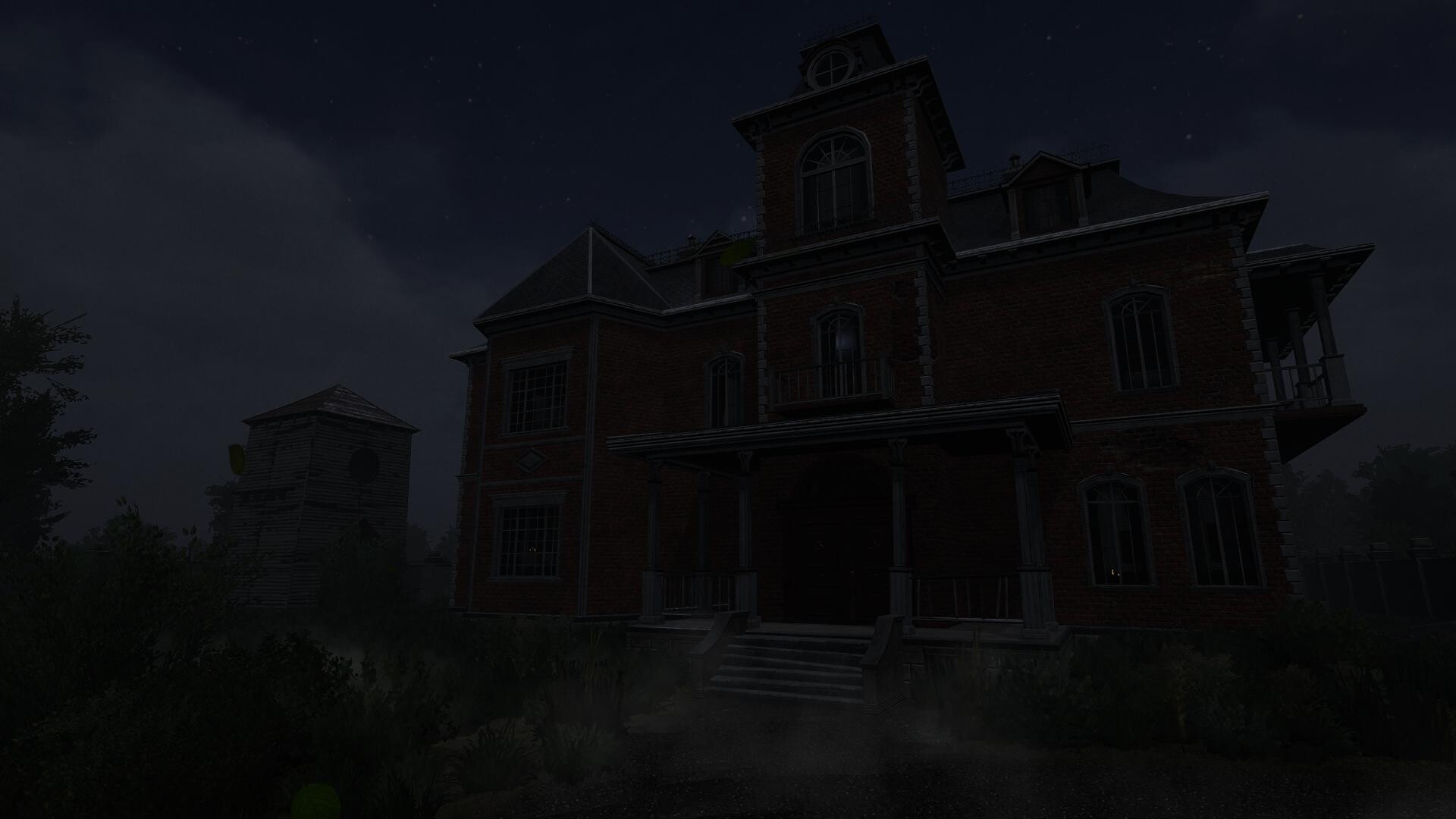
Trace of the Villa (Steadyturtle Co., Ltd.) arrives on Steam on 28 May, 2026 as a story-driven investigation through a remote, decaying mansion. Its design privileges environmental storytelling, clue-driven exploration and the steady accumulation of unsettling details over cheap jump scares.

Quick facts
| Title | Trace of the Villa |
|---|---|
| Steam AppID | 3483660 |
| Release date | 28 May, 2026 |
| Developer / Publisher | Steadyturtle Co., Ltd. |
| Genres | Action · Adventure · Indie |
| Key categories | Single-player · Color Alternatives · Custom Volume Controls · Playable without Timed Input · Subtitle Options · Family Sharing |
| Short premise | Jin has spent years searching for his missing sister, pursuing leads that took him to a remote, decaying mansion where he recovered manifests and hints that indicate his sister may still be alive, somewhere at the end of the trail he is about to follow. |
| Store | Trace of the Villa on Steam |
Who is this for?
Trace of the Villa is aimed at players who prefer atmosphere, mystery and gradual dread to direct survival mechanics or repeated jump scares. If you enjoy environmental storytelling, studying fragments of a life left behind, and puzzle sequences that peel back a narrative layer at a time, this fits your profile. Players who prioritize tense exploration and narrative puzzle design over action-heavy combat or arcade horror are likely to get the most from it.
What the game is (and what it deliberately isn’t)
Official materials present Trace of the Villa as a mystery-driven adventure: Jin, the protagonist, investigates a property cut off from the grid and finds signs of past occupancy that are “deeply unsettling.” The mansion’s systems and locked compartments are central mechanical beats — restoring power triggers new revelations, safes and encrypted documents surface, and puzzles connect to a larger pattern of falsified identities and controlled movements. That sequence of discovery suggests a game built around reading details and making connections rather than relying on frequent shock moments.

When and where: Steam context
Trace of the Villa released on Steam on 28 May, 2026 and is published and developed by Steadyturtle Co., Ltd. The Steam page lists it under Action, Adventure and Indie, and the store metadata highlights accessibility options such as subtitle options, custom volume controls, and the ability to play without timed input—details that matter if you care about pacing and comfort while experiencing tension.
Why quiet tension and uncertainty matter here
The official premise emphasizes missing records, emptied identities and a house that feels “less abandoned than erased.” That language signals the developer is using absence as a device: small omissions, ambiguous paperwork and half-revealed systems coax you into inference. That kind of slow-burn dread asks the player to supply dread through imagination; when the game compounds small, unexplained details rather than deploying loud surprises, the result is a sustained psychological tension that tends to linger after a session ends.
How you progress: mechanics and investigation
The Steam description specifically calls out restoring power, secured systems coming back online, hidden compartments unlocking, and safes yielding fragments of encrypted documents and suspicious transfer records. Progress appears to be a mixture of environmental puzzles and investigative beats: restore or reactivate systems, decode or access secured materials, follow financial and identity traces. Each solved puzzle unlocks more context; the core loop is reading evidence and connecting fragments to form a timeline rather than surviving continuous external threats.
Who should wishlist it — and who might wait
- Wishlist if you like: slow-burn suspense, environmental storytelling, puzzles that reveal story elements, atmospheric mansion mysteries and detective-style clue work.
- Consider waiting if you prefer: high-octane action horror, constant threat-based gameplay, or multiplayer confrontation. The emphasis here is narrative discovery and mood, not nonstop adrenaline.
Specific player scenarios
- Weekend explorer: You enjoy a two- to five-hour deep session where each solved puzzle gives you a meaningful narrative beat. Trace of the Villa’s slow-unfolding reveals are designed for this rhythm.
- Clue collector: You keep notes, screenshots, or a timeline as you play. The game’s focus on manifests, encrypted documents and falsified records rewards patient reconstruction.
- Atmosphere-first player: You prioritize lighting, set dressing and implied history. The mansion’s staged rooms and “erased” identities give you sensory cues to interpret and dwell on.
- Action-first player: If you want frequent combat or persistent chase sequences, this may not satisfy that appetite; the game prioritizes investigation over repeated combat loops.
How it compares — useful context against nearby psychological horror and mystery titles
| Title | Release | Tone / Atmosphere | Puzzle vs Survival | PacingYouTube discoveryFor trailer and gameplay discovery, use YouTube search rather than relying on unverified embeds: Find Trace of the Villa trailer and gameplay searches on YouTube. CommentsMore posts |
|---|
Leave a Reply