
Trace of the Villa: Rooms as Puzzle Spaces and Story Containers
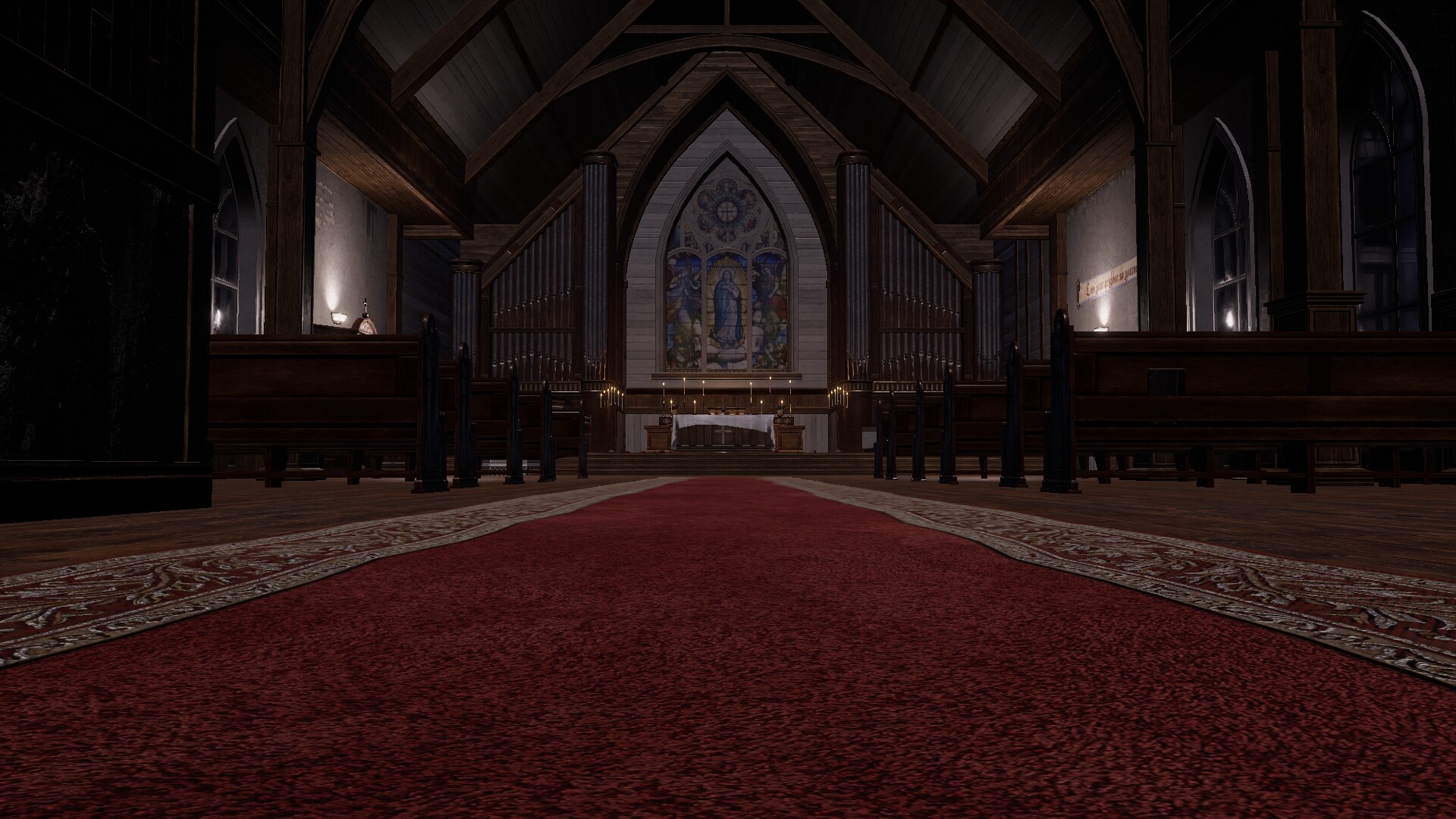
Trace of the Villa frames its mystery inside a decaying mansion where each room feels like a small, stubborn novel — a set dressing and a riddle in one. Released 28 May, 2026 by Steadyturtle Co., Ltd., the game positions Jin’s search for a missing sister inside environments that reveal story through clues, locked systems, and objects that demand logical reading.

Who this is for
If you favor atmospheric mystery adventure and narrative puzzle design — players who enjoy environmental storytelling, slow-burn suspense, and reading consequences into objects — Trace of the Villa is aimed at you. It’s for PC players who like to let rooms speak: those who prefer clue-driven exploration over twitch reflexes (the Steam listing also notes options such as “Playable without Timed Input”).
What the game is
Trace of the Villa is an Action/Adventure/Indie title on Steam where protagonist Jin pursues leads to a remote, deliberately forgotten mansion. The house is furnished as if people vanished mid-routine; restoring power and accessing secured systems reveals hidden compartments, safes, and fragments of encrypted documents that together rebuild a disturbing timeline. The game blends investigation and object logic to unfold its psychological, mansion-mystery narrative.
When and where
Trace of the Villa launched on Steam on 28 May, 2026. It’s published and developed by Steadyturtle Co., Ltd. The Steam page lists the game under Action, Adventure, Indie and includes accessibility and convenience categories such as Single-player, Color Alternatives, Custom Volume Controls, Subtitle Options, Family Sharing, and Playable without Timed Input.
Why the theme matters
Mansion mysteries rely on contained spaces to concentrate both mood and mechanics. Here, rooms double as narrative containers: a kitchen holds not just utensils but a ledger; a study hides encrypted transfer records. That coupling of physical object and forensic detail reframes traditional puzzle adventure play into a kind of psychological investigation where reading clues properly matters as much as solving an encoded lock.
How you progress: clue reading, object logic, and story puzzles
The Steam description makes the progression explicit: restoring power brings secured systems back online, hidden compartments unlock, and safes yield fragments of encrypted documents and suspicious transfer records. Those fragments are the connective tissue between puzzles — you read manifests and hints, interpret object relationships, then use that interpretation to open the next sealed room. In practice, rooms act as both puzzle chambers and narrative chapters: solving a local puzzle often supplies a document or system access that changes how you read other spaces in the mansion.

Compact facts: Trace of the Villa
| Title | Trace of the Villa |
|---|---|
| Steam appid | 3483660 |
| Release date | 28 May, 2026 |
| Developer / Publisher | Steadyturtle Co., Ltd. |
| Genres | Action, Adventure, Indie |
| Steam categories (selected) | Single-player; Color Alternatives; Custom Volume Controls; Playable without Timed Input; Subtitle Options; Family Sharing |
| Official premise | Jin searches a decaying mansion and recovers manifests and hints that indicate his sister may still be alive. |
Player scenarios — who should wishlist it
- Slow-burn investigators: You enjoy reading fragments, cataloguing patterns, and letting a story assemble itself across rooms rather than through cutscenes.
- Room-first players: You treat every room as a micro-narrative and relish puzzles that reward careful observation and object logic.
- Accessibility-minded PC players: You appreciate settings like subtitles, color alternatives, and no timed input options that let you pace the investigation.
- Players who want atmosphere with forensic payoff: If you prefer puzzle solutions that also unlock story (encrypted documents, manifests, system logs), this gameplay loop is central.
How it compares — editorial discovery
Below is a focused comparison on lawful editorial criteria: genre, atmosphere, puzzle focus, exploration style, pacing, and player fit.
| Game | Core genre | Atmosphere / Tone | Puzzle focus | Exploration style | Pacing / Player fit |
|---|---|---|---|---|---|
| Trace of the Villa | Action / Adventure / Indie | Psychological mansion mystery; unsettling domestic absence | Clue-reading, unlocking secured systems, object logic tied to documents | Room-by-room forensic investigation inside a single estate | Slow-burn; for players who prize narrative payoff from solved artifacts |
| The Room | Adventure / Indie | Mysterious, tactile, puzzle box atmosphere | Mechanical puzzles and single-room device logic | Focused on isolated puzzle chambers | Players who like self-contained, mechanical puzzling |
| The Room Two | Adventure / Indie | Cryptic and tactile, extends The Room’s sense of hidden objects | Layered device puzzles with a continuing narrative thread | Sequential rooms that expand the central mystery | Players who enjoyed the first and want broader, interconnected puzzles |
| Escape Simulator | Adventure / Simulation / Indie | Playful, interactive escape-room realism | Highly interactive object manipulation and community-made rooms | Modular rooms and scenarios, including multiplayer options | Players who enjoy physics-rich interaction and social play |
| Unpacking | Casual / Indie / Simulation | Zen, memoir-like; intimate domestic storytelling | Spatial and contextual puzzles through item placement | Domestic spaces that reveal lived history | Players who prefer gentle, narrative-driven assembly mechanics |
YouTube discovery
If you want trailers or gameplay clips to judge visual tone and pacing, search results (which may include community clips or publisher trailers) can be found here: Trace of the Villa trailer & gameplay on YouTube. This is a discovery
Leave a Reply