
Who should consider Trace of the Villa after enjoying atmospheric mystery adventures?
Trace of the Villa (Steadyturtle Co., Ltd.) puts a personal mystery at the center: Jin follows evidence from a decaying, off‑grid mansion toward the possibility that his missing sister may still be alive. Released on 28 May, 2026 on Steam, the game frames investigation through restored systems, encrypted documents and layered environmental clues rather than relying on timed inputs or multiplayer mechanics.

Quick facts
| Title | Trace of the Villa |
|---|---|
| Steam AppID | 3483660 |
| Release date | 28 May, 2026 |
| Developer / Publisher | Steadyturtle Co., Ltd. |
| Genres | Action, Adventure, Indie |
| Key categories | Single-player; Color Alternatives; Custom Volume Controls; Playable without Timed Input; Subtitle Options; Family Sharing |
| Steam page | Trace of the Villa on Steam |
What the game is (and what it actually does)
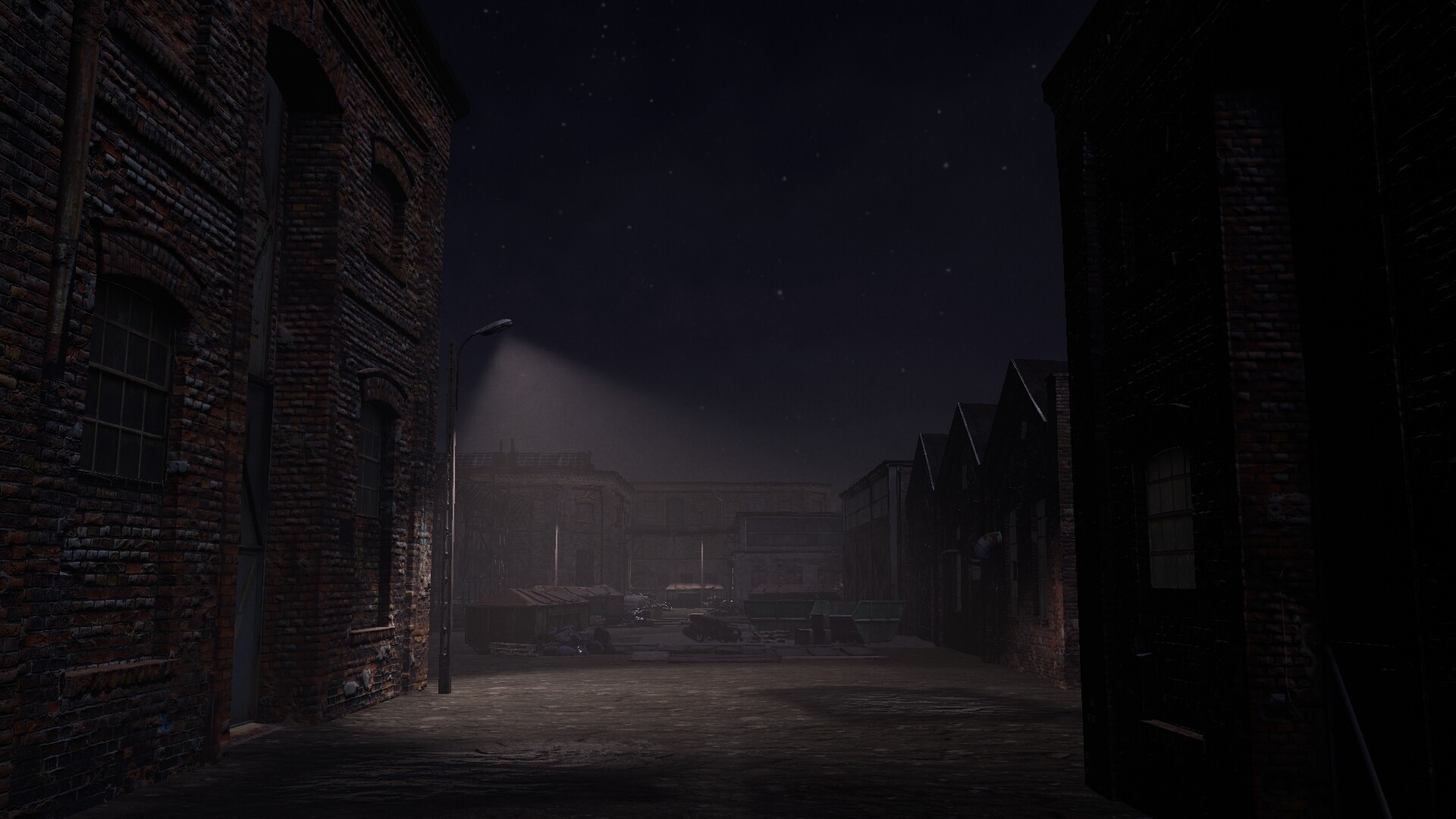
Trace of the Villa is built around investigative exploration inside an isolated, deliberately forgotten property. Official descriptions emphasize environmental storytelling: rooms that feel “erased” rather than merely abandoned, locked doors and hidden compartments, and a progression that rewards restoring power and systems to unlock new layers of evidence. The core loop described on Steam centers on solving puzzles and recovering fragments—encrypted documents, suspicious transfer records and manifests—that assemble a wider timeline and suggest the mansion was part of a larger, controlled operation.
When and where: Steam, PC-focused discovery
Trace of the Villa launched on Steam on 28 May, 2026. The Steam page lists it as single‑player and flags accessibility and comfort options such as subtitle support, color alternatives and custom volume controls. If you want to see the store entry, the Steam page is linked in the facts table above and again at the end of this article.
Why this theme matters
Mansion mysteries live or die on atmosphere and the sense that exploration uncovers history rather than just navigation. Trace of the Villa’s official pitch focuses on erased identities, falsified records and financial trails—elements that make the investigation feel procedural and forensic. For players who prefer clue-driven work (tracking documents, re‑activating systems, reading transfers) over combat or fast reflexes, that matters: the game’s listed categories include “Playable without Timed Input,” signaling a design that prioritizes deliberation and narrative puzzle solving.
How you read clues and progress
According to the Steam description, progress hinges on reconstruction and discovery. Restoring power turns on previously sealed systems, unlocking safes and hidden compartments; solving puzzles yields fragments of encrypted documents and transactional records that, when pieced together, map movements and identities. That structure suggests a steady, investigative pacing: each solved puzzle reveals information that recontextualizes prior discoveries rather than delivering frequent mechanical spikes.

Who should wishlist Trace of the Villa?
- Players who favor slow‑burn, atmospheric mystery adventure and environmental storytelling over action-heavy sequences.
- Fans of investigative loops that rely on documents, locked systems and narrative puzzle design rather than timed reflexes (the Steam listing notes “Playable without Timed Input”).
- Those who value accessibility and comfort options—subtitle support, color alternatives and custom audio controls are explicitly listed.
- People who enjoyed story-driven mansion settings and methodical clue assembly in other indie mystery or puzzle titles.
Player scenarios — concrete examples
- You’re a narrative-first player who enjoyed tracing ledger entries and piecing together motives in a quiet, oppressive space: Trace of the Villa’s restored systems → revealed documents loop is directly aimed at that experience.
- You prefer environmental clues and reconstructed timelines rather than combat or timed QTEs: the Steam categories explicitly list “Playable without Timed Input” and single‑player focus.
- You need accessibility options to enjoy a PC mystery: subtitle options, color alternatives and custom volume controls are present on the Steam page.
- You like investigative tension that grows through discovery—finding a locked compartment that changes the meaning of earlier notes—rather than frequent scares or action bursts.
How Trace of the Villa compares to nearby mystery and puzzle titles
Below is a focused editorial comparison by tone, pacing, clue style and exploration. These comparisons are intended as audience guidance: they don’t imply endorsement or official connection.
| Title | Tone / Setting | Pacing | Puzzle / Clue Focus | Exploration Style | Player fit |
|---|---|---|---|---|---|
| Trace of the Villa | Atmospheric mansion mystery; investigative, procedural traces of erased identities (Steam description). | Measured, investigative—progression via restoring systems and uncovering documents. | Document fragments, encrypted records, hidden compartments; clue-driven narrative puzzles. | Contained mansion exploration with systems that unlock new areas and information. | Players who like environmental storytelling and methodical clue assembly; values accessibility options and no timed inputs. |
| Amnesia: The Dark Descent | Immersive survival horror that aims to chill through atmosphere and vulnerability. | Often tense and emergent; moments of sustained dread. | Puzzle elements mixed with evasion and survival mechanics. | First‑person exploration with a strong emphasis on immersion and immediate presence. | Players seeking intense tension and survival mechanics alongside exploration. |
| SOMA |
Leave a Reply