
Rooms as Puzzle Spaces: How Trace of the Villa Uses Clues, Objects, and Story to Shape Its Mansion Mystery
Trace of the Villa places you in a decaying mansion where each room is both a puzzle and a narrative container: objects, manifests, and locked systems work together to reveal a trail about a missing sister. Released on 28 May, 2026 by Steadyturtle Co., Ltd., the game frames exploration as investigative reading—of rooms, of documents, and of mechanical logic.

Who, What, When, Where, Why, and How
Who is this for?
Players who prefer slow-burn suspense and story-rich adventure over twitch reflexes: those who enjoy environmental storytelling, clue-driven exploration, and mechanics that reward reading and logical assembly of evidence. The Steam listing emphasizes single-player play and accessibility options such as subtitle support and playable-without-timed-input categories, aligning the game to players who like deliberate, readable puzzles.
What is the game?
Trace of the Villa is an action-adventure indie on Steam in which Jin follows leads to a secluded mansion, recovering manifests, encrypted documents, and mechanical secrets that suggest the missing sister may still be alive. Rooms are furnished as if occupants vanished mid-routine; locked doors and secured systems hide fragments of a larger operation.
When and where is it available?
The game released on 28 May, 2026 on Steam. It is presented for PC players on the Steam platform (app ID 3483660).
Why does the mansion setting matter?
The mansion is a controlled narrative device: rooms act like sealed dossiers. Because identities appear to have been scrubbed—no photographs, no names—the space itself carries the primary clues. That design focuses player attention on object logic (what belongs where), document fragments (manifests, transfer records), and the way restoring systems unravels narrative layers. The result is an atmosphere of forensic interrogation rather than overt horror.
How do you progress?
Progress is driven by close reading and manipulation: restore power, unlock safes, piece together encrypted fragments, and follow financial and identity traces left in the house. The Steam description suggests puzzles unlock new layers—secured systems come back online and hidden compartments reveal further clues—so progression is a combination of environmental puzzles, inventory/object logic, and narrative beats revealed by solved puzzles.
How Rooms Function as Puzzle Spaces and Story Containers
In Trace of the Villa, a room is rarely just a backdrop. The mansion’s rooms are staged to imply interrupted activity: a table set mid-meal, a ledger left open, an unlabelled filing cabinet. Those deliberate choices turn each chamber into a micro-archive you must read. The game’s pacing—restoring power and watching secured systems reboot—connects physical interaction with narrative payoff, so solving a lock or decrypting a document feels like opening a sealed chapter.
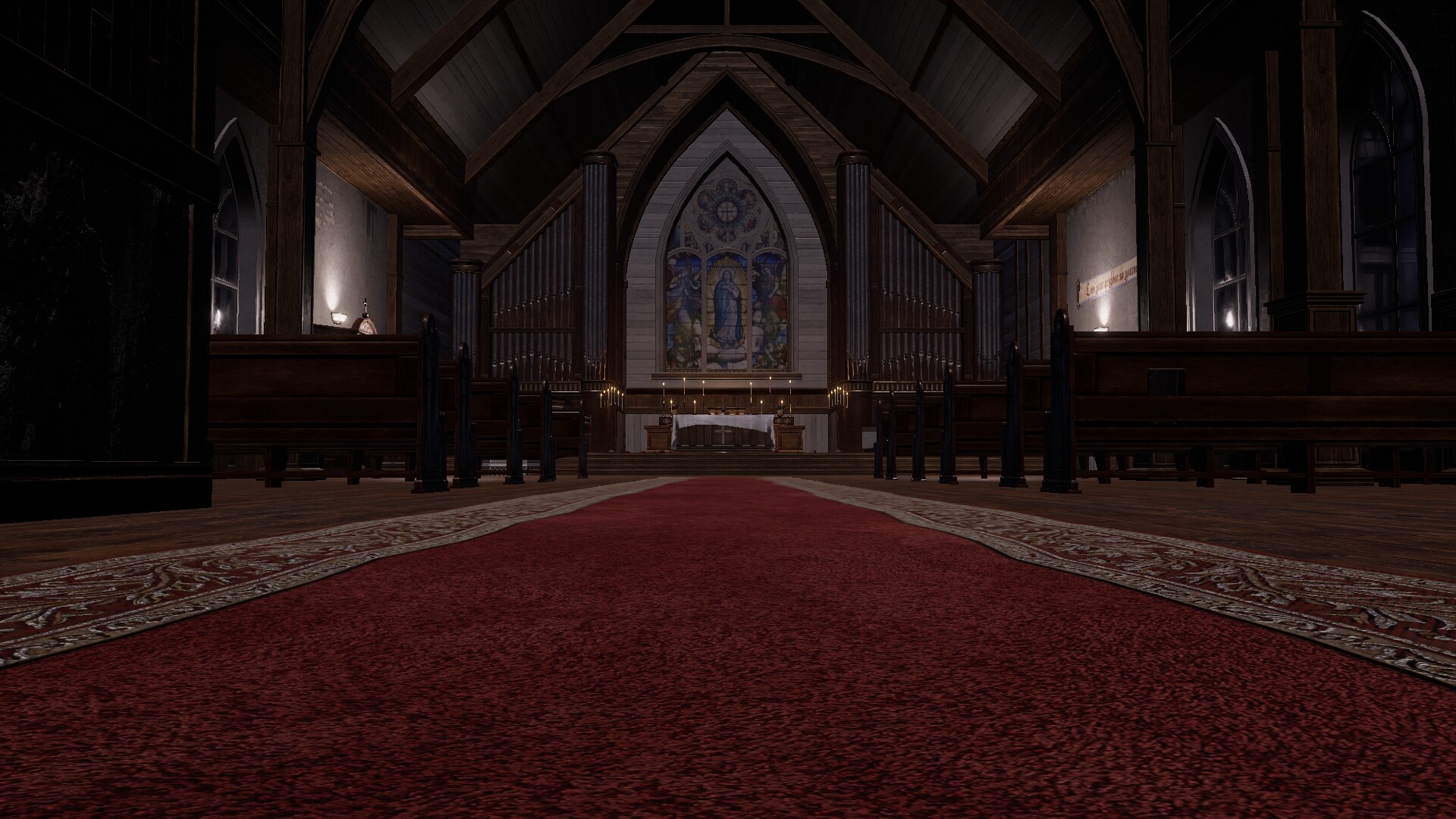
Object logic is foregrounded: items can be evidence, tools, or misdirections. Manifests and suspicious transfer records suggest institutional processes, encouraging players to think beyond single-room puzzles and follow cross-room patterns. The mansion’s systems—power, safes, encrypted documents—act as gating mechanics that turn exploration into a layered investigation.
Player Scenarios: Who Should Wishlist This
- If you like methodical investigation: You’ll appreciate puzzles that reward careful note-taking and pattern recognition across rooms.
- If you value story-first puzzles: The narrative emerges through solved puzzles and recovered documents—players who want plot beats revealed by mechanics will find this satisfying.
- If you prefer accessibility and a measured pace: Steam categories indicate subtitle options and playable-without-timed-input support, making it a fit for players who dislike high-pressure clocked sequences.
- If you want more overt multiplayer or sandbox interaction: This is a single-player, narrative-driven experience rather than a cooperative or physics-focused escape-room sim.
Concrete Facts
| Title | Trace of the Villa |
|---|---|
| Developer | Steadyturtle Co., Ltd. |
| Publisher | Steadyturtle Co., Ltd. |
| Release date | 28 May, 2026 |
| Genres | Action, Adventure, Indie |
| Steam categories | Single-player; Color Alternatives; Custom Volume Controls; Playable without Timed Input; Subtitle Options; Family Sharing |
| Steam page | Trace of the Villa on Steam |
How Trace of the Villa Compares — Quick Editorial Table
Below is a concise comparison on lawful editorial criteria: genre emphasis, atmosphere, puzzle focus, exploration style, and pacing.
| Title | Genre / Tone | Puzzle Focus | Exploration Style | Pacing |
|---|---|---|---|---|
| Trace of the Villa | Action / Adventure; atmospheric mansion mystery | Clue reading, object logic, encrypted documents, systems-based gating | Room-by-room, narrative-driven; rooms serve as evidence dossiers | Measured, investigative—layers unlock as systems come back online |
| The Room | Adventure; intimate mechanical puzzles | Focus on tactile puzzle boxes and mechanical interfaces | Single-room-to-room vignette with a strong puzzle-object loop | Tight, puzzle-centric—shorter, intense puzzle encounters |
| The Room Two | Adventure; cryptic and atmospheric | Mechanical puzzles with a focus on atmosphere and discovery | Sequential mystery rooms and environments with handcrafted puzzles | Similar to The Room: focused, puzzle-intense pacing |
| Escape Simulator | Adventure / Simulation; interactive escape rooms | Highly interactive physics and object manipulation; room puzzles | Play solo or co-op; sandbox-like interactivity and custom rooms | Variable—can be fast or slow depending on room and group |
| Unpacking | Casual / Indie; zen, domestic puzzle | Spatial, object-placement puzzles that reveal life-stories | Non-linear, domestic spaces that tell character through objects | Gentle, reflective—low-pressure, narrative through routine |
Editorial takeaway: if you want mechanized, tactile puzzle boxes, The Room games are closer to that experience; if you want open, physics-driven interaction and co-op options, Escape Simulator differs significantly; if you prefer narrative revealed through domestic objects and low pressure, Unpacking offers a calmer palette. Trace of the Villa sits between these—more narrative forensic than pure box-puzzler, more directed and story-anchored than a sandbox escape sim.
Where to Find Trailer/Gameplay
For trailer and gameplay videos, search YouTube with this query (useful for discovering trailers or player footage): Trace of the Villa trailer & gameplay — YouTube search. This is a discovery path; individual videos should be verified as official before assuming they are published by the developer or publisher.
Final Read: Should You Wishlist It?
Wishlist Trace of the Villa if you enjoy atmospheric mystery adventure that treats rooms as concentrated story nodes and rewards careful reading of clues and documents. If you prefer fast-paced action, heavy multiplayer interaction, or physics-first puzzles, the Steam categories and the game’s description suggest it leans toward investigative, single-player pacing instead.

View Trace of the Villa on Steam
Credits and Disclaimer
Trace of the Villa (app ID 3483660) is developed and published by Steadyturtle Co., Ltd. All factual details in this article are drawn from the official Steam app listing and associated assets. Referenced titles and trademarks belong to their respective owners; comparisons here are editorial discovery only and not endorsements. No unofficial claims about reviews, sales
Leave a Reply