
Trace of the Villa — a slow-burn mansion mystery built around investigation and erased identities
Jin’s search for his missing sister leads to a remote, decaying mansion where manifests, encrypted fragments, and suspicious transfer records point to something larger than a single disappearance. Trace of the Villa (Steadyturtle Co., Ltd.) asks players to read power grids, locked safes, and erased records as narrative clues and decide whether the trail ends in rescue or revelation.

Quick facts
| Title | Trace of the Villa |
|---|---|
| Steam AppID | 3483660 |
| Developer / Publisher | Steadyturtle Co., Ltd. |
| Release Date | 28 May, 2026 |
| Genres | Action, Adventure, Indie |
| Notable Steam categories | Single-player; Color Alternatives; Custom Volume Controls; Playable without Timed Input; Subtitle Options; Family Sharing |
| Official short pitch | Jin has spent years searching for his missing sister, pursuing leads that took him to a remote, decaying mansion where he recovered manifests and hints that indicate his sister may still be alive, somewhere at the end of the trail he is about to follow. |
Who is this for?
Players who prefer atmospheric mystery adventure over combat spectacle: people who want environmental storytelling, clue-driven exploration, and slowly unspooling backstory. If you enjoy examining the residue of lives — manifests, transfer records, locked safes, and powered-down systems that flicker back to life — Trace of the Villa fits that profile. The Steam page lists Action and Adventure under genres, but the narrative hook and categories emphasizing subtitles, accessibility options, and single-player design make it a fit for story-focused PC players who want a deliberate, investigative pace.
What the game is
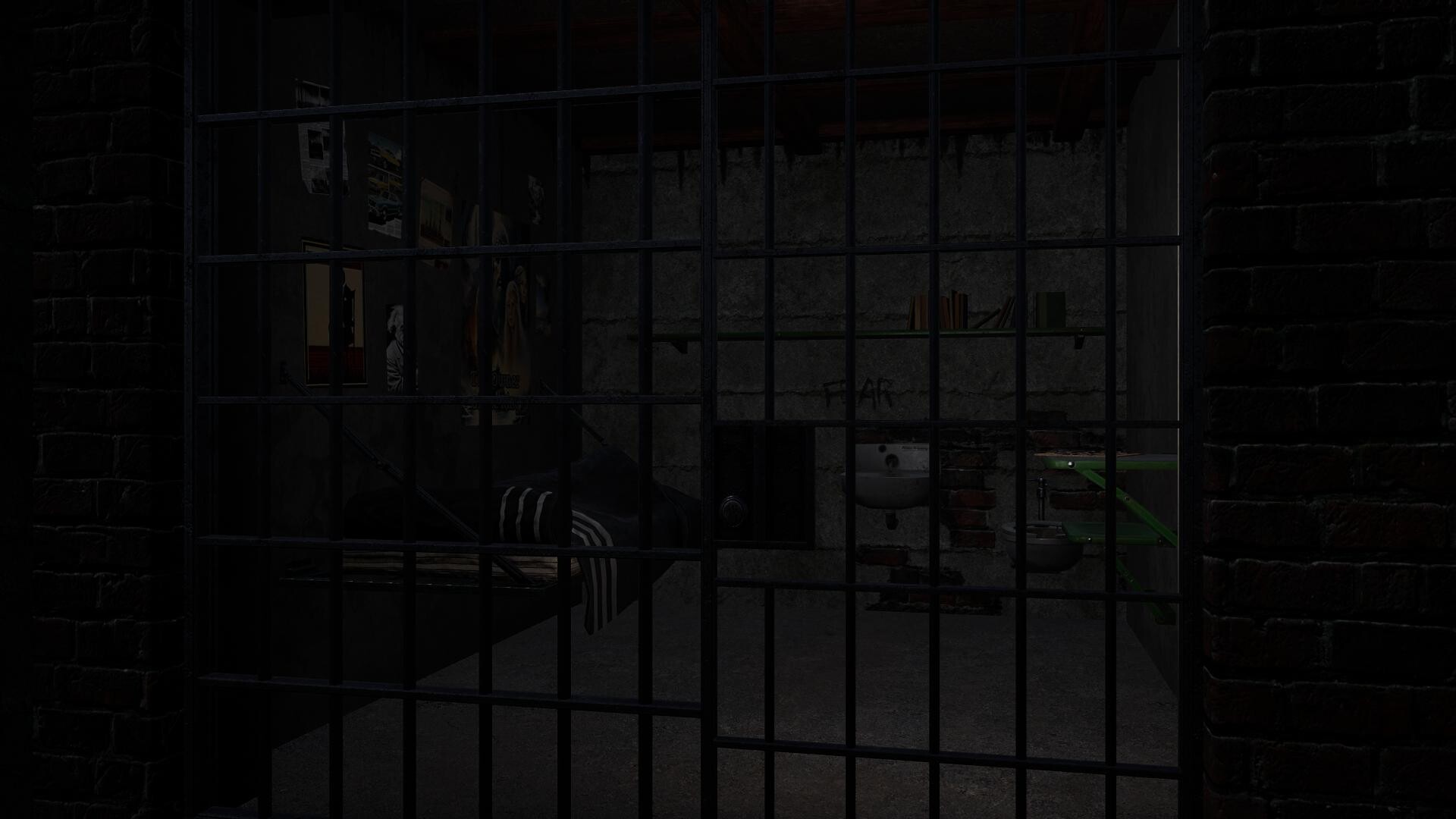
Trace of the Villa centers on Jin, a protagonist pursuing a personal lead in a deliberately forgotten estate. The mansion appears “erased” rather than merely abandoned: rooms look as if occupants vanished mid-routine, identity markers are missing, and secured systems hide fragments of encrypted documents and suspicious transfer records. Restoring power and unlocking systems is explicitly part of how the story is revealed — each solved lock or restored circuit yields more evidence of a carefully concealed operation.

When and where
Trace of the Villa released on 28 May, 2026 and is available on Steam. The store page lists Steadyturtle Co., Ltd. as both developer and publisher. If you want to wishlist or visit the Steam page directly, use the official Steam link below.
Why the theme matters
The emotional stakes are personal: this isn’t an abstract conspiracy — it’s a search for a missing sister. The mansion’s “erased” identity theme transforms routine exploration into a psychological investigation. When identity markers, photographs, and ownership records are missing, every mundane object becomes a possible clue; that scarcity of context forces players to make interpretive leaps and weigh what to trust. The presence of encrypted documents and suspicious transfers in the official description suggests a narrative built around uncovering institutional concealment rather than supernatural jumpscares.
How progression and clue reading work
According to the official description, restoring power and reactivating the estate’s systems is a core loop: powered systems reveal hidden compartments, safes, and fragments of documents. Progression is therefore both mechanical and interpretive — you solve systems and puzzles to get new data, then piece together timelines and motives from scraps of evidence. The Steam categories (Playable without Timed Input, Subtitle Options, Color Alternatives) indicate a design that favors thoughtful reading and puzzle-solving over reflex demands.
Player scenarios — who should wishlist it
Scenario 1 — You want a slow-burn investigative experience
You prize atmosphere and methodical clue gathering. If you enjoy reading logs, decrypting fragments, and discovering motive through small, cumulative revelations, Trace of the Villa should be on your radar.
Scenario 2 — You like narrative puzzles with environmental tools
If restoring power, reactivating locked systems, and exploring layered rooms appeal to you more than combat arenas or timed platforming, the listed categories and official description point to that type of design.
Scenario 3 — Accessibility and single-player focus matter
Steam categories such as Subtitle Options, Color Alternatives, and Playable without Timed Input suggest the game is attentive to readability and accessibility — a plus if you prefer to consume story at your own pace.
Comparison: Where Trace of the Villa sits among narrative mysteries
Below is a compact editorial comparison with nearby titles chosen for similar emphasis on atmosphere, mystery, and exploration. These are discovery-focused comparisons on genre, tone, and player fit, not endorsement or claims of superiority.
| Title | Genre / Core feel | Puzzle / Exploration focus | Story tone | Pacing | Best for |
|---|---|---|---|---|---|
| Trace of the Villa | Action / Adventure / Indie — mansion mystery, investigative | Clue-driven: restores systems, unlocks documents, puzzles tied to evidence | Personal, procedural discovery; erased identities and institutional concealment | Slow-burn, deliberate exploration | Players who want environmental storytelling and investigative pacing |
| Inscryption | Adventure / Indie / Strategy — card-based, puzzle-horror hybrid | Puzzles integrated into card mechanics and escape-room sequences | Psychological, meta-horror (inky, claustrophobic) | Variable — moments of tension mixed with puzzle loops | Players who like emergent secrets tied to game systems and surprises |
| Outer Wilds | Action / Adventure — open-world mystery about a time loop | Exploration-first: environmental puzzles on a planetary scale | Curious, melancholic, cosmic mystery | Exploratory, discovery-led pacing | Players who enjoy open-ended exploration and piecing together timelines |
| Journey | Adventure / Indie — atmospheric, contemplative exploration | Puzzle-lite; exploration and emotional payoffs | Evocative, meditative | Gentle, emotional arc | Players seeking mood-driven, minimalist storytelling |
| The Forgotten City | Adventure / Indie / RPG — narrative time-loop mystery | Puzzle and narrative choices with a central mechanic (time loop) | Moral, investigative in an ancient setting | Deliberate, puzzle-driven | Players who like moral puzzles and narrative consequences |
| The Medium | Adventure — psychological horror with dual-realm exploration | Puzzles that exploit parallel-reality mechanics | Trauma-focused, eerie | Tense, story-led | Players who prefer psychological investigation and dual-reality puzzles |
Where to watch trailers and gameplay
If you want trailer or gameplay footage, search YouTube using this discovery path (the search may return several uploads and impressions): View Trace of the Villa on Steam
Leave a Reply