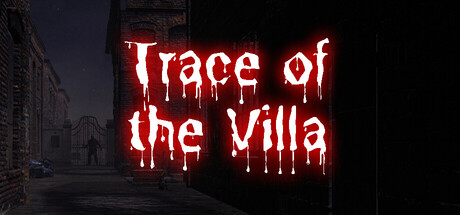
Trace of the Villa: rooms as puzzle spaces and story containers
Trace of the Villa frames its mystery inside a decaying mansion where every room works like a compact case file: objects, locked systems, and cryptic manifests stitch together the narrative. The result is an atmospheric mystery adventure that asks players to read clues, apply object logic, and solve story-driven puzzles to follow Jin’s trail toward a vanished sister.

What Trace of the Villa is
Trace of the Villa is a Steam PC release from Steadyturtle Co., Ltd. (developer and publisher) categorized under Action, Adventure, and Indie. The official short description sets the premise: Jin has spent years searching for his missing sister and follows leads to a remote, decaying mansion where manifests and hints suggest she might still be alive. When power is restored, locked systems and hidden compartments begin to reveal a carefully concealed operation — a narrative scaffold the game uses to layer puzzles and discovery.
Who this is for
This is for players who prefer slow-burn suspense and story-rich adventure on PC: people who enjoy atmospheric mystery adventure titles that rely on environmental storytelling, clue-driven exploration, and puzzles that reveal biography and circumstance rather than just mechanical locks. If you value investigating rooms as both puzzle spaces and containers of personal history, Trace of the Villa fits that appetite.
When and where
Trace of the Villa launched on Steam on 28 May, 2026. It appears on the Steam store with standard PC metadata and accessibility categories such as Subtitle Options, Playable without Timed Input, Color Alternatives, and Custom Volume Controls.
Why the theme matters (rooms as containers)
The mansion setting turns rooms into concentrated nodes of meaning. Furnishings laid out as if occupants vanished mid-routine, safes, encrypted documents, and falsified records are not only puzzle ingredients — they also function as story fragments that compel you to infer what happened. That design choice makes reading clues a form of close-reading: an interpretive exercise where object placement, missing elements (like absent photographs or names), and recovered manifests all point to a larger operation the house once served.
How you progress: clue reading, object logic, and story puzzles
Progression in Trace of the Villa stems from three interlocking habits:
- Clue reading: Interpreting manifests, transfer records, and environmental hints to identify leads and locate the next locked system.
- Object logic: Using inventory items and environmental affordances in plausible ways — combining keys, restoring power, or aligning mechanisms — that read as sensible within the mansion’s logic.
- Story puzzles: Solving puzzles that simultaneously unlock mechanical gates and reveal narrative fragments. Each solved puzzle yields documents or restored systems that recontextualize earlier discoveries.
Those elements together produce a pacing that favors patient observation over reflex; rooms reward methodical examination and cross-referencing rather than brute-force searching.

Practical player scenarios
Concrete situations where Trace of the Villa’s design will appeal:
- Single-player mystery nights: You want a focused, atmospheric session that mixes inventory puzzles with reading recovered documents and manifests.
- Slow investigation: You enjoy pausing frequently to document clues, cross-reference items, and return later with new context — rooms act like case files you revisit.
- Accessibility-minded play: You prefer games that include subtitle options and non-timed puzzles so you can set your own pace while absorbing story fragments.
Compact facts
| Title | Trace of the Villa |
|---|---|
| Steam AppID | 3483660 |
| Release date | 28 May, 2026 |
| Developer | Steadyturtle Co., Ltd. |
| Publisher | Steadyturtle Co., Ltd. |
| Genres | Action; Adventure; Indie |
| Key Categories | Single-player; Color Alternatives; Custom Volume Controls; Playable without Timed Input; Subtitle Options; Family Sharing |
How it compares (useful editorial comparison)
Below is a focused comparison on lawful editorial criteria: genre, atmosphere, puzzle focus, exploration style, and pacing. These entries are for editorial context and discovery only.
| Game | Primary genre | Puzzle approach | Atmosphere / tone | Player fit |
|---|---|---|---|---|
| Trace of the Villa | Action / Adventure / Indie | Clue-driven puzzles, object logic, story puzzles tied to recovered manifests and systems | Decaying mansion, slow-burn suspense, investigative | Players who want narrative puzzle design and environmental storytelling |
| The Room | Adventure / Indie | Tactile mechanical puzzles centered on single-room devices and safes | Mysterious, tactile, often claustrophobic | Players who enjoy tightly focused mechanical puzzles |
| The Room Two | Adventure / Indie | Expanded sequence puzzles across linked spaces with layered devices | Cryptic, exploratory, puzzle-centric | Players wanting a continuation of device-focused mystery across environments |
| Escape Simulator | Adventure / Simulation / Indie | Highly interactive escape-room mechanics, physics-based manipulation | Varied rooms, playful to tense depending on scenario | Players who prefer interactive physics, community rooms, or co-op options |
| Unpacking | Casual / Indie / Simulation | Zen, object-placement puzzles that reveal life through possessions | Reflective, domestic, quietly narrative | Players who like storytelling via objects and atmosphere rather than overt mystery |
YouTube discovery
If you want quick trailer or gameplay searches, try the curated search path: Trace of the Villa trailer & gameplay (YouTube search). This is a discovery link and not a claim of an official channel or specific video.
Who should wishlist it: players who prioritize environmental storytelling, methodical clue-reading, and puzzles that unfold narrative rather than only gate gameplay. The Steam page metadata (single-player, subtitle options, playable without timed input) supports a measured, accessibility-conscious playstyle.
View Trace of the Villa on Steam
Referenced titles and trademarks belong to their respective owners. Comparisons are editorial discovery only and do not imply endorsement or official connection between titles or publishers.
Leave a Reply