
Who should consider Trace of the Villa after enjoying atmospheric mystery adventures
Trace of the Villa (Steadyturtle Co., Ltd., released 28 May, 2026) puts you in Jin’s shoes as he follows a trail into a remote, decaying mansion — restoring power, unlocking systems and uncovering encrypted fragments that hint at a larger, concealed operation. If you prefer mystery-driven exploration where environment and recovered documents carry the narrative weight, this Steam indie aims straight at that appetite.

Quick facts
| Title | Trace of the Villa |
|---|---|
| Steam AppID | 3483660 |
| Developer / Publisher | Steadyturtle Co., Ltd. |
| Release date | 28 May, 2026 |
| Genres | Action, Adventure, Indie |
| Key categories | Single-player; Color Alternatives; Custom Volume Controls; Playable without Timed Input; Subtitle Options; Family Sharing |
| Official short description | Jin has spent years searching for his missing sister, pursuing leads that took him to a remote, decaying mansion where he recovered manifests and hints that indicate his sister may still be alive, somewhere at the end of the trail he is about to follow. |
What Trace of the Villa is — tone, pacing and design
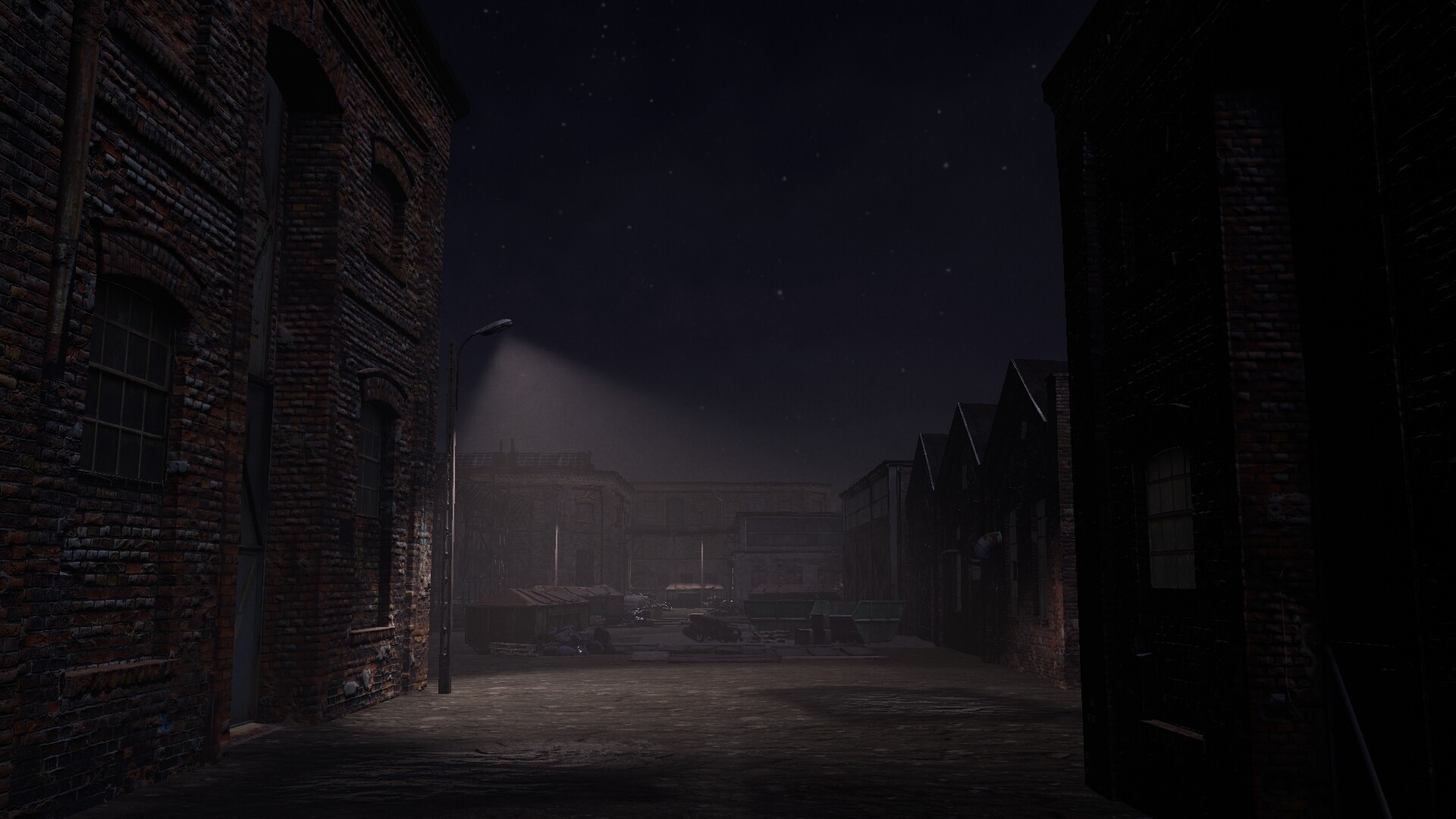
According to the Steam description, Trace of the Villa is an investigation-driven adventure set in a deliberately forgotten estate. The mansion’s rooms appear “erased” rather than merely abandoned: furnished mid-routine but stripped of names or photos. Gameplay emphasis, as presented, comes from restoring power and accessing secured systems that reveal puzzles, safes, encrypted documents and suspicious transfer records. That framing suggests environmental storytelling and clue-driven exploration over combat spectacle.
When and where
Trace of the Villa is available on Steam and released on 28 May, 2026. The Steam page lists standard PC-friendly categories and accessibility options such as subtitle options and “playable without timed input,” which underline a slower, clue-focused approach to progression.
Why the theme matters for mystery/adventure players
The mansion-as-a-record-keeper is a useful narrative device for players who enjoy piecing together a story from objects, logs and systems rather than explicit cutscenes or character exposition. The official description highlights financial trails, falsified identities and controlled movements — details that appeal to players who like investigative threads that extend beyond single-room puzzles into a web of implications.
How progression and clues are presented
Trace of the Villa’s description emphasizes restoring estate systems and unlocking physical and digital compartments to reveal fragments of the larger operation. That implies a puzzle loop that alternates between environmental observation, inventory/lock solving and interpreting recovered documents to open the next area or system. The Steam metadata also calls out “playable without timed input,” which suggests puzzle pacing favors deliberation and thoughtful examination rather than twitch reactions.
Who should wishlist Trace of the Villa?
- Players who favor atmospheric mystery adventure titles where investigation and environmental storytelling drive progression.
- Fans of slow-burn suspense who prefer to uncover a narrative through documents, locked systems and subtle audio/visual cues rather than fast-paced action.
- Players who appreciate puzzles tied to estate systems — restoring power and accessing secured compartments — and like the idea of financial trails and falsified identities as narrative hooks.
- Those who need accessibility options like subtitles and non-timed puzzles to enjoy methodical clue work.
Comparison: Trace of the Villa vs. nearby mystery/adventure titles
The following lawful editorial comparison focuses on tone, pacing, clues and exploration styles to help readers decide taste fit. These comparisons are descriptive, not claims of superiority.
| Title | Primary genre/feel | Atmosphere / tone | Puzzle focus | Exploration style | Pacing / player fit |
|---|---|---|---|---|---|
| Trace of the Villa | Action / Adventure / Indie | Decaying mansion; investigative, quietly unsettling | Restoring systems, safes, encrypted documents | Clue-driven environmental exploration | Methodical, investigation-first players |
| Amnesia: The Dark Descent | Action / Adventure / Indie | Immersive, survival-horror intensity | Environmental puzzles but with survival dread | First-person, exploration with threat-driven tension | Players seeking chilling immersion and dread |
| SOMA | Action / Adventure / Indie | Sci‑fi existential dread, underwater isolation | Puzzles woven into sci‑fi narrative systems | Exploration of connected, hostile facilities | Players who like narrative puzzles with philosophical tone |
| Layers of Fear (2016) | Adventure / Indie | Psychological horror in a Victorian mansion | Story-led environmental puzzle moments | Rooms that shift and reveal narrative clues | Players who want a strong psychological storytelling focus |
| The Room | Adventure / Indie | Focused, intimate mystery around crafted devices | Complex, tactile puzzle boxes and safes | Single-room, object-centric puzzle exploration | Puzzle enthusiasts who like self-contained mechanical challenges |
| Rusty Lake Hotel | Adventure / Indie | Dark, eerie tone with point-and-click structure | Short, thematically linked puzzle scenarios | Room-by-room point-and-click progression | Players who enjoy compact, surreal puzzle chapters |
Scenarios: which player profile maps best to Trace of the Villa
- The dossier reader: You enjoy assembling story from documents, manifests, and system logs. Trace’s emphasis on encrypted fragments and transfer records will be appealing.
- The slow-scope explorer: You like moving through an environment at your own pace, re-powering sections and returning as new systems open. Accessibility options like “playable without timed input” match that preference.
- The mansion-investigator: If a Victorian- or decay-themed mansion setting that hides institutional traces (falsified identities, financial trails) is what drew you to other mystery games, this one’s premise is aligned with that curiosity.
- The puzzle-with-context player: You prefer puzzles that advance narrative rather than isolated mechanical challenges. Trace positions its safes and systems as narrative reveals rather than standalone tests.
YouTube discovery
If you want to see trailers or gameplay clips, search for Trace of the Villa trailers and gameplay on YouTube: YouTube search for Trace of the Villa trailer & gameplay. (This link is for discovery; a specific official video is not claimed here.)
View Trace of the Villa on Steam
Disclaimer: referenced titles and trademarks belong to their respective owners. This article is an editorial comparison for discovery purposes only and does not imply any official connection, endorsement, or sponsorship.
Leave a Reply