
Trace of the Villa: Rooms as Puzzle Spaces and Story Containers
Trace of the Villa frames its mystery as a sequence of rooms that both hide and tell a story — a decaying mansion where Jin follows manifests and hints that might lead to his missing sister. The game’s puzzles are less about spectacle than about reading objects, restoring systems, and letting each unlocked compartment rewrite what the house means.

What Trace of the Villa is
Trace of the Villa is an atmospheric mystery adventure from Steadyturtle Co., Ltd. In the official short description Steam lists Jin as a protagonist who has spent years searching for his missing sister and follows leads to a remote, decaying mansion where manifests and hints suggest she may still be alive. The developer positions the mansion as a site of erased identities and secured systems; when Jin restores power, locked compartments, safes, and encrypted documents begin to reveal a carefully concealed operation.
The game is listed on Steam as Action / Adventure / Indie and ships with PC-oriented accessibility and options typical of narrative puzzle experiences: Single-player, Color Alternatives, Custom Volume Controls, Playable without Timed Input, Subtitle Options, and Family Sharing.
When and where
Trace of the Villa released on Steam on 28 May, 2026. You can find the store page and wishlist or purchase it on Steam.
Why the mansion-as-room model matters
Rooms in Trace of the Villa are both puzzle sets and story capsules. According to the Steam description, rooms feel “less abandoned than erased”: furnishings remain, identities are missing, and systems are deliberately secured. That design choice turns every locked door, safe, and unlabelled object into a narrative cue — each solved puzzle not only advances progress but also restores a fragment of context (power, logs, manifests) that reframes what the player thought they were looking for.
For players who prize environmental storytelling and slow-burn suspense, the mansion model encourages careful observation and deduction: objects are evidence as much as tools. Restoring power is a gameplay pivot that turns previously inert scenery into active information sources (secured systems coming back online, hidden compartments unlocking, safes yielding fragments of encrypted documents and suspicious transfer records).
How you read clues and progress
Progress in Trace of the Villa is clue-driven and layered. The Steam text highlights several concrete mechanics that shape this process:
- Recovering manifests and hints that point along a trail — items you find have investigative value beyond simple inventory use.
- Restoring power to the estate, which activates secured systems and reveals new interactions.
- Unlocking hidden compartments and safes that provide fragments of encrypted documents and suspicious transfer records, each puzzle solution revealing another piece of the operation that used the mansion.
That means players who enjoy object logic — combining physical clues with restored systems and documents — will find the game rewards methodical play and attention to how rooms connect narratively.
Who Trace of the Villa is for
Short checklist for reader decision-making:
- If you like atmospheric mystery adventure and environmental storytelling: this is aimed at you.
- If you prefer tightly scripted action over investigative puzzles: this may be slower than you expect; the emphasis is reading and inference rather than reflex.
- If you enjoy games where rooms work as both mechanical puzzles and story containers — where restoring electricity or opening a safe changes what the space means — this aligns with your tastes.
Player scenarios — who will likely enjoy it
Scenario A — The patient investigator
You relish piecing together timelines from receipts, manifests, and locked cabinets. You play to understand context and enjoy the moment a room’s items cohere into a plausible backstory.
Scenario B — The object-lover
You get satisfaction from combining physical objects, restoring power, reactivating systems, and watching previously inert props become clue-bearers. The game’s mechanics of unlocking compartments and reading encrypted fragments suit you.
Scenario C — The mood-driven explorer
You prioritize atmosphere and pacing, and you don’t mind a slow-burn mystery that reveals itself through environmental detail rather than explicit exposition.
Compact facts — Trace of the Villa
| Title | Trace of the Villa |
|---|---|
| Steam AppID | 3483660 |
| Release date | 28 May, 2026 |
| Developer / Publisher | Steadyturtle Co., Ltd. |
| Genres | Action, Adventure, Indie |
| Key categories / features | Single-player; Color Alternatives; Custom Volume Controls; Playable without Timed Input; Subtitle Options; Family Sharing |
| Short premise (official) | Jin searches for his missing sister in a remote, decaying mansion and recovers manifests and hints that indicate she may still be alive. |
How it compares — short editorial table
Below is a compact editorial comparison on lawful criteria: genre, atmosphere, puzzle focus, exploration style, story tone, and pacing. This is meant to help readers decide which title suits their puzzle-adventure preferences.
| Title | Genre / Focus | Atmosphere & Story Tone | Puzzle style / Exploration | Pacing / Player Fit |
|---|---|---|---|---|
| The Room | Adventure / Indie | Mysterious, tactile; foregrounds a single, locked location | Object-based mechanical puzzles, close-focus inspection | Measured, puzzle-centric; for players who like handcrafted contraptions |
| Escape Simulator | Adventure / Simulation / Indie | Varies by room; playful to tense depending on map | Highly interactive rooms, physics and object manipulation, community-made content | Flexible pacing; good for cooperative or sandbox room play |
| Unpacking | Casual / Indie / Simulation | Zen, domestic, quietly narrative | Spatial and placement puzzles that reveal life story through possessions | Calm, episodic; for players who like ambient storytelling and routine tasks |
| Trace of the Villa | Action / Adventure / Indie | Dark, erased identities; slow-burn mansion mystery | Clue reading, system restoration, safes and encrypted fragments; rooms reveal layered evidence | Intentional pace for investigative players who prioritize narrative puzzle design |
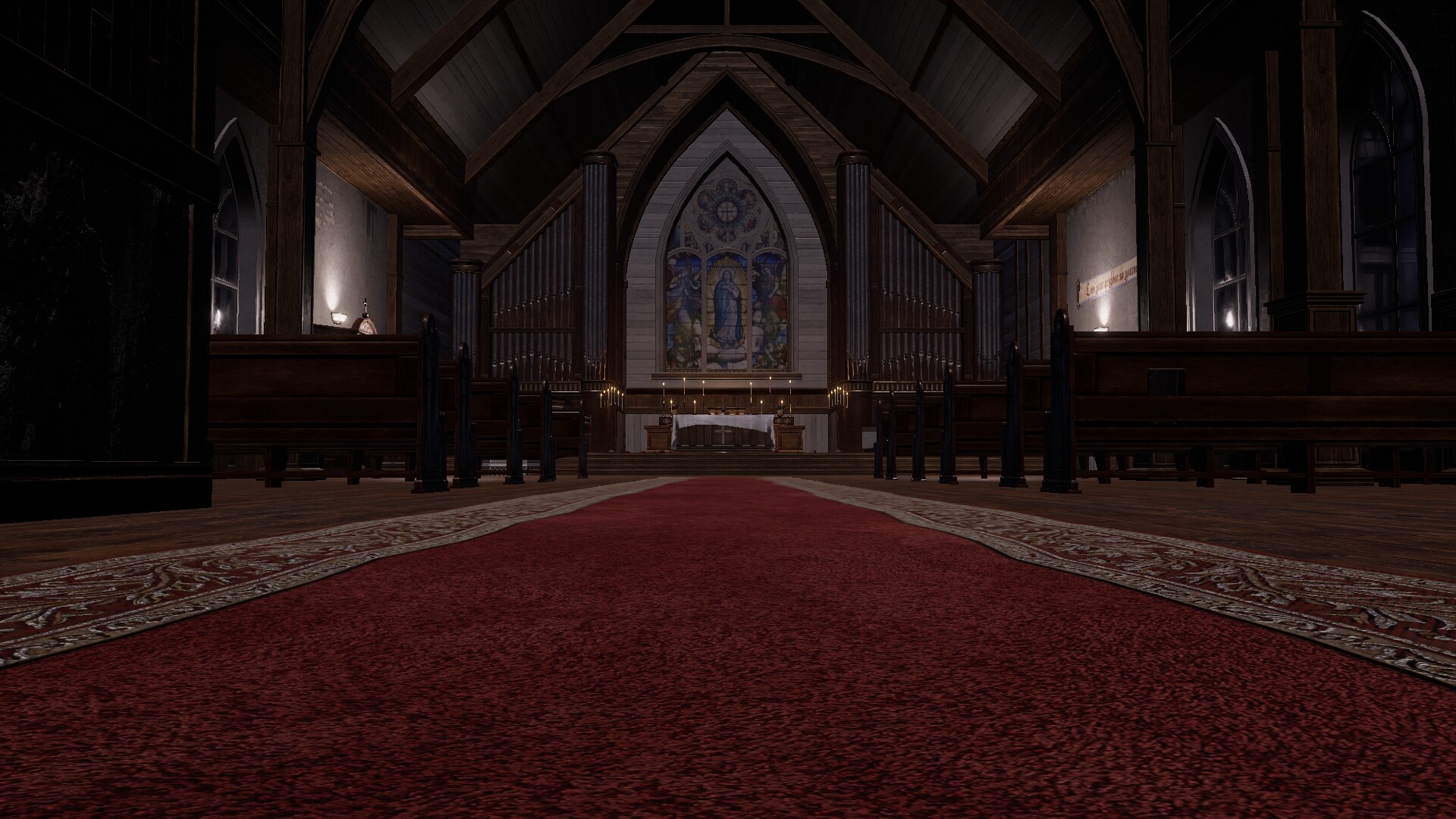
Screenshots

YouTube discovery
If you want to see trailers or footage before deciding, search for Trace of the Villa trailers and gameplay on YouTube: Search Trace of the Villa on YouTube. This link is provided as a discovery path; the store page is the authoritative source for release and feature details.
Final considerations
Trace of the Villa situates its story inside rooms that function as both puzzles and narrative containers. If you prefer clue-driven exploration, environmental storytelling, and puzzle solutions
Leave a Reply