Trace of the Villa: why quiet tension and slow-burn uncertainty matter more than jump scares
Trace of the Villa arrives on Steam as a story-rich, clue-driven exploration that trades cheap shocks for an uneasy, persistent atmosphere. Built around a personal search in a deliberately forgotten mansion, the game leans into environmental storytelling and investigative pacing to keep tension taut long after the opening scene.

Who, what, when, where, why, and how
Who it’s for
For players who prefer slow-burn suspense over adrenaline spikes: people who enjoy atmospheric mystery adventure, environmental storytelling, and careful, clue-led progress. If you like piecing together narratives from found documents, locked rooms and restored systems rather than relying on combat or constant action, this fits your taste.
What the game is
Trace of the Villa is a Steam PC release developed and published by Steadyturtle Co., Ltd. It’s listed under Action, Adventure, Indie and presented as a single-player, story-focused experience with features like color alternatives, custom volume controls, subtitle options, and playable without timed input. The official short description: “Jin has spent years searching for his missing sister, pursuing leads that took him to a remote, decaying mansion where he recovered manifests and hints that indicate his sister may still be alive, somewhere at the end of the trail he is about to follow.”
When and where
Trace of the Villa released on Steam on 28 May, 2026. The Steam store page (linked at the bottom) is the primary place to wishlist, purchase, and inspect system requirements and store materials.
Why the theme matters
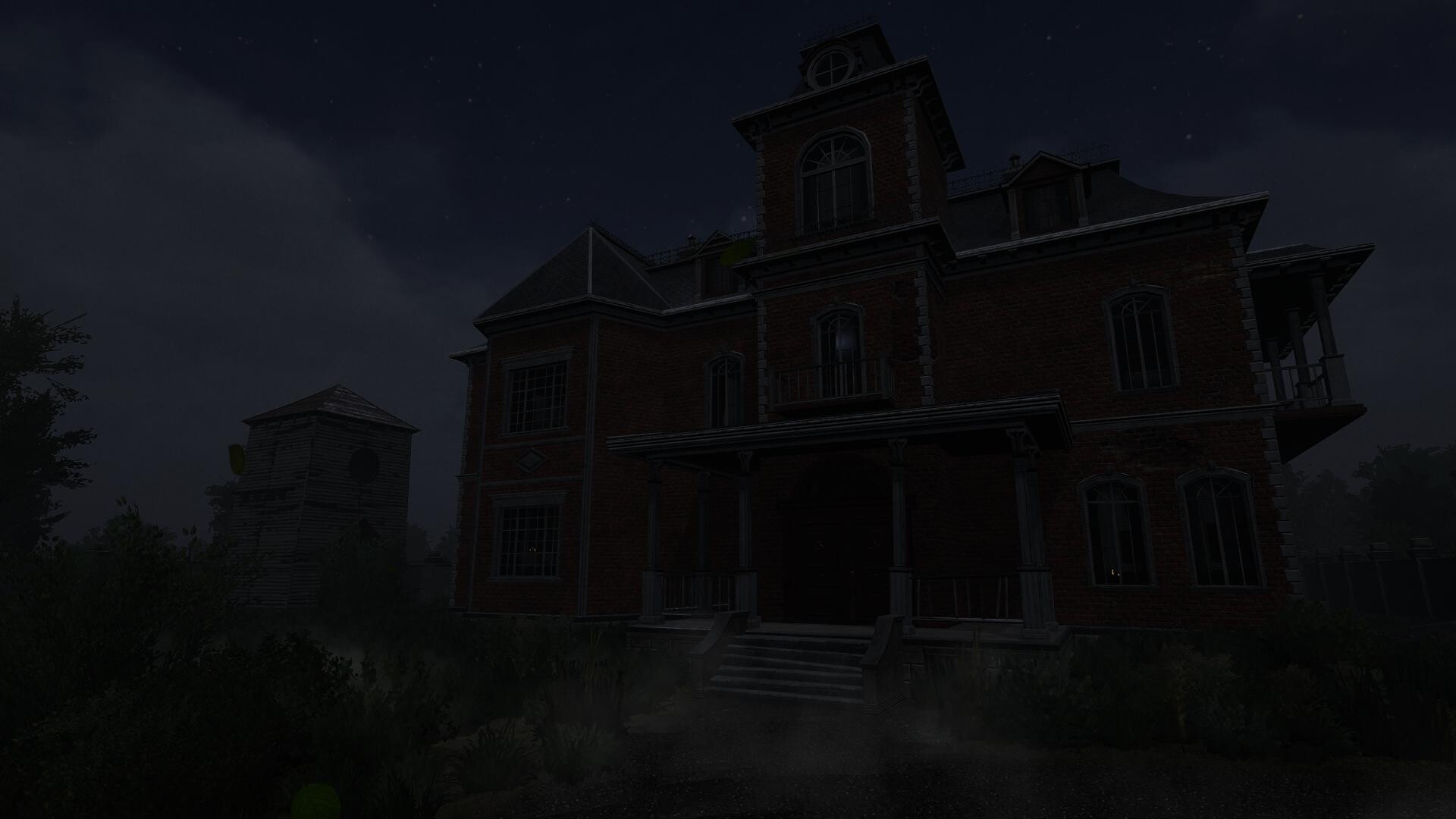
The game’s strength is its insistence that absence and erasure can be as unsettling as visible threats. The developer’s official description emphasizes rooms that feel “less abandoned than erased” and a house that reveals itself gradually when power is restored — a setup that creates tension from uncertainty and the slow accumulation of unsettling detail. That approach rewards players who relish piecing context from fragments: manifests, encrypted documents, and falsified records instead of on-the-nose revelations.
How you progress
Progression is clue-driven. Jin restores systems, unlocks compartments, and follows financial and identity traces uncovered in safes and records. The official description describes secured systems coming back online, hidden compartments unlocking, and safes yielding fragments of encrypted documents and suspicious transfer records. Mechanically that signals a blend of exploration, environmental puzzles, and investigation rather than time-based reflex challenges — and the Steam listing explicitly notes the game is playable without timed input.
Visual sense of place

Compact facts
| Title | Trace of the Villa |
|---|---|
| Steam AppID | 3483660 |
| Release date | 28 May, 2026 |
| Developer / Publisher | Steadyturtle Co., Ltd. |
| Genres | Action, Adventure, Indie |
| Categories / Features | Single-player; Color Alternatives; Custom Volume Controls; Playable without Timed Input; Subtitle Options; Family Sharing |
| Short premise | Jin searches a decaying mansion for clues that his missing sister may still be alive. |
How Trace of the Villa compares to nearby mystery / puzzle games
Below is an editorial comparison focused on tone, puzzle focus, exploration style and pacing — not on user scores, endorsements, or sales.
| Title | Release | Core focus | Atmosphere & tone | Puzzle / exploration style | Pacing |
|---|---|---|---|---|---|
| Trace of the Villa | 28 May, 2026 | Investigation-driven mystery in a mansion | Slow, oppressive, erasure and absence | Document and system-based puzzles; unlocking hidden compartments | Slow-burn suspense; investigative |
| Amnesia: The Dark Descent | 8 Sep, 2010 | Survival horror, immersion and helplessness | Bleak, claustrophobic, amnesia-driven dread | Physics puzzles, hiding and avoidance, environmental clues | Persistent tension with spikes of panic |
| SOMA | 21 Sep, 2015 | Sci‑fi existential horror | Brooding, philosophical, isolated | Exploration-focused puzzles tied to narrative reveals | Measured pacing with narrative reveals |
| Layers of Fear (2016) | 15 Feb, 2016 | Psychological mansion exploration | Unsettling, surreal, art-obsessed madness | Environment-manipulation and narrative puzzles | Variable — often hallucinatory and episodic |
| Poppy Playtime | 12 Oct, 2021 | Horror puzzle adventure in an abandoned factory | Playful exterior, menacing interior | Gadget-based puzzles and occasional chase scenarios | More action-oriented, moments of tension and set-pieces |
Takeaway: if you prefer investigative, document-driven unraveling and a slow accumulation of unease, Trace of the Villa will align better with that taste than games that foreground survival mechanics or frequent action beats.
Player scenarios — who should wishlist this on Steam
- Single-player explorers who enjoy reconstructing events from manifests, encrypted fragments and financial clues.
- Players who dislike timed reflex sections: Steam lists the game as playable without timed input and it emphasizes pacing and investigation.
- Fans of atmospheric mystery adventure and psychological investigation who prefer tension sustained by unanswered questions rather than frequent jump scares.
- PC players who want adjustable accessibility options — the Steam listing notes subtitle options, color alternatives and custom volume controls.
YouTube discovery
If you want to see trailers or gameplay footage before you decide, use this YouTube search path (search results may include trailers or community videos; this link is a discovery tool, not a confirmation of an official upload):
Where to wishlist or buy
View the Steam page to wishlist, check system requirements, and read the store description and media: Trace of the Villa on Steam
Notes and disclaimer
Referenced release dates, developer/publisher, genres, categories, and in-game premise are from the official Steam app data. Comparisons above focus on genre, atmosphere, puzzle focus, exploration style, story tone and pacing only. Titles and trademarks belong to their respective owners; comparisons are editorial discovery only.
Leave a Reply