
Trace of the Villa: why slow-burn tension matters more than cheap shocks
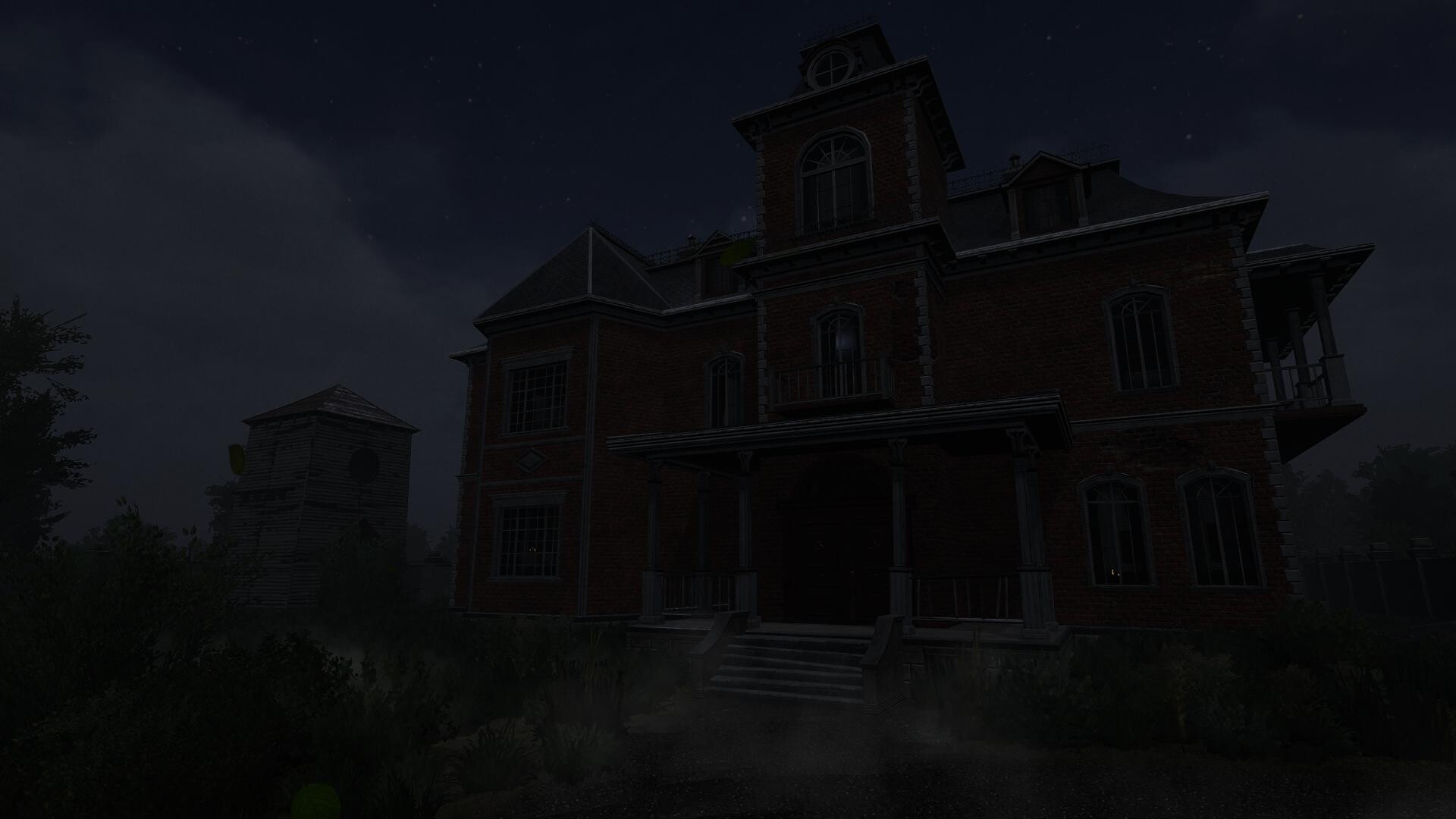
Trace of the Villa (Steadyturtle Co., Ltd.) arrives on Steam on 28 May, 2026 as a story-rich, atmospheric mystery adventure that favors quiet dread over jump scares. If you prefer environmental storytelling, clue-driven exploration, and a slow-burn psychological investigation inside a decaying mansion, this release deserves a close look.

Quick facts
| Title | Trace of the Villa |
|---|---|
| Developer / Publisher | Steadyturtle Co., Ltd. |
| Release date | 28 May, 2026 |
| Steam appid | 3483660 |
| Genres | Action, Adventure, Indie |
| Categories / features | Single-player, Color Alternatives, Custom Volume Controls, Playable without Timed Input, Subtitle Options, Family Sharing |
| Premise | Jin searches a remote, decaying mansion for clues that his missing sister may still be alive; recovered manifests and hints point to a larger, erased history inside the estate. |
| Steam reviews | No user reviews on Steam yet |
Who, what, when, where, why, and how
Who is this for?
Players who value atmosphere and investigation over constant action: those who enjoy slowly assembling a narrative from dispersed clues, restoring systems to reveal secrets, and absorbing a tense mood while exploring rooms that feel lived-in and then abruptly emptied.
What is the game?
Trace of the Villa is a Steam PC indie that frames an investigative, mansion-based mystery around Jin, a protagonist pursuing leads about his missing sister. The Steam page positions the title as an atmospheric, narrative puzzle adventure where recovering manifests, restoring power, and unlocking hidden compartments reveal an unsettling operation behind the property.
When and where is it available?
Released on 28 May, 2026 on Steam. The store page lists common PC accessibility features such as subtitle options, custom volume controls, and family sharing.
Why the theme matters
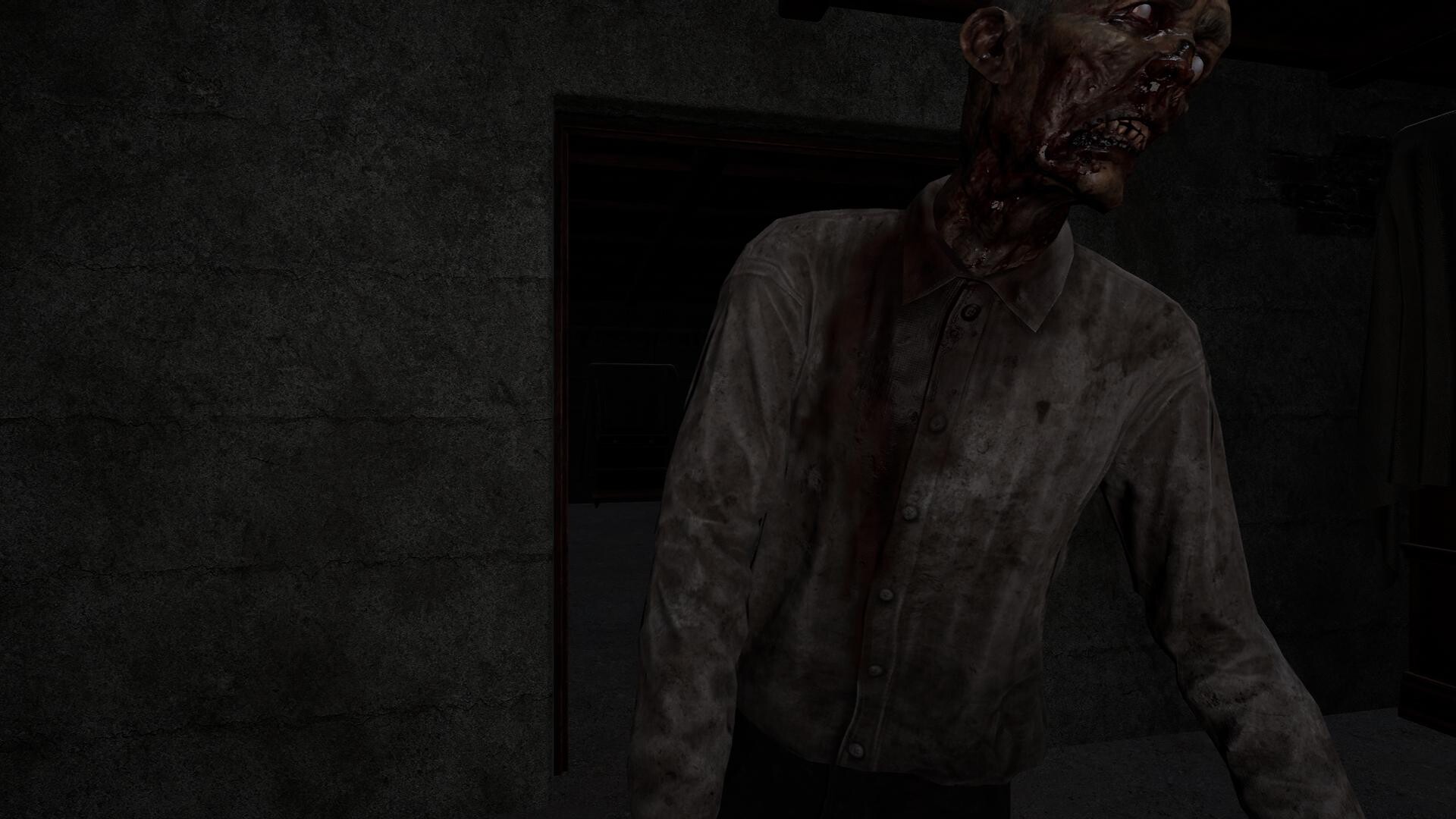
The core tension in Trace of the Villa comes from uncertainty: rooms set as if interrupted, erased identities, and financial or identity traces that lead nowhere. That ambiguity invites the player to slow the pace, hunt for tiny inconsistencies, and treat the environment itself as the primary storyteller. In psychological horror, doubt and omission are often more unnerving than constant shocks—they let your imagination do the rest.
How you progress
The Steam description highlights concrete investigation beats: restoring power to the estate, reactivating secured systems, unlocking hidden compartments and safes, and recovering fragments of encrypted documents and manifests. Each unlocked fragment builds a timeline of arrivals and departures and points toward a larger concealed operation. Progress is clue-driven: examine the estate, solve puzzles that yield documents or access, and follow the breadcrumbs that suggest why identities and records were removed.
Screenshots: mood and design
Player scenarios: who should wishlist this
- Slow-burn mystery players: you enjoy methodical exploration and piecing together documents and systems rather than fast combat.
- Environmental storytellers: you read interiors like texts and prefer games that use objects and layout to reveal backstory.
- Puzzle-minded explorers: you want puzzles that feel like investigations—restoring power, decrypting found fragments, unlocking conditions to access the next clue.
- Fans of mansion mysteries and psychological tone: you prefer dread that accumulates through silence and erasure rather than repeated jump scares.
How Trace of the Villa compares — brief editorial table
| Title | Genre / Focus | Atmosphere & Story Tone | Pacing / Player Fit |
|---|---|---|---|
| Trace of the Villa | Action / Adventure / Indie — investigative mansion mystery | Quiet, erased identities; document- and systems-driven revelations | Slow-burn; suited to players who read environments and follow clues |
| Amnesia: The Dark Descent | Action / Adventure / Indie — first-person survival horror | Immersive, claustrophobic nightmare; focuses on helplessness and dread | Slow to intense; survival mechanics intensify tension |
| SOMA | Action / Adventure / Indie — sci-fi horror | Existential, sub-aquatic setting; psychological questions about consciousness | Measured pacing with narrative-heavy sequences |
| Layers of Fear (2016) | Adventure / Indie — first-person psychological horror | Surreal, artist-driven descent into madness; shifting mansion spaces | Exploratory, story-first; emphasises atmosphere over action |
| Poppy Playtime | Action / Adventure / Indie — horror/puzzle adventure | Abandoned toy factory, sharper jump-oriented encounters | Faster tempo with puzzle-mechanic focus and set-piece tension |
Notes: comparisons use genre, atmosphere, puzzle focus, exploration style, story tone, and pacing; they are editorial observations, not claims of superiority.
Practical notes for PC and Steam discovery
The Steam page lists Trace of the Villa with accessibility touches like subtitle options, custom volume controls, and color alternatives—small but useful features for players who value control over how they experience tension. The store currently shows no user reviews, so your play will be part of the early Steam dialogue for the title.
Where to look for trailers and footage
If you want to see more gameplay or a trailer, use this YouTube search path (search results may include developer trailers, streams, or early gameplay captures): Trace of the Villa trailer / gameplay on YouTube.
Decision checklist: should you wishlist it?
- Wishlist if you prefer narrative puzzle design, environmental storytelling, and slow-burn suspense in a mansion mystery.
- Consider waiting if you want community feedback first—there are no user reviews on Steam yet.
- Wishlist if you appreciate accessibility options like subtitles, custom audio, and color alternatives on PC.
Steam link:
Editorial disclaimer
Referenced titles and trademarks belong to their respective owners. Comparisons are editorial discovery only, based on genre, atmosphere, puzzle emphasis, exploration style, story tone, and pacing as described on their Steam pages or in provided materials.
Leave a Reply