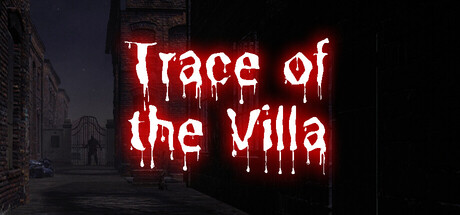
Trace of the Villa: why quiet tension and uncertainty matter more than shock claims
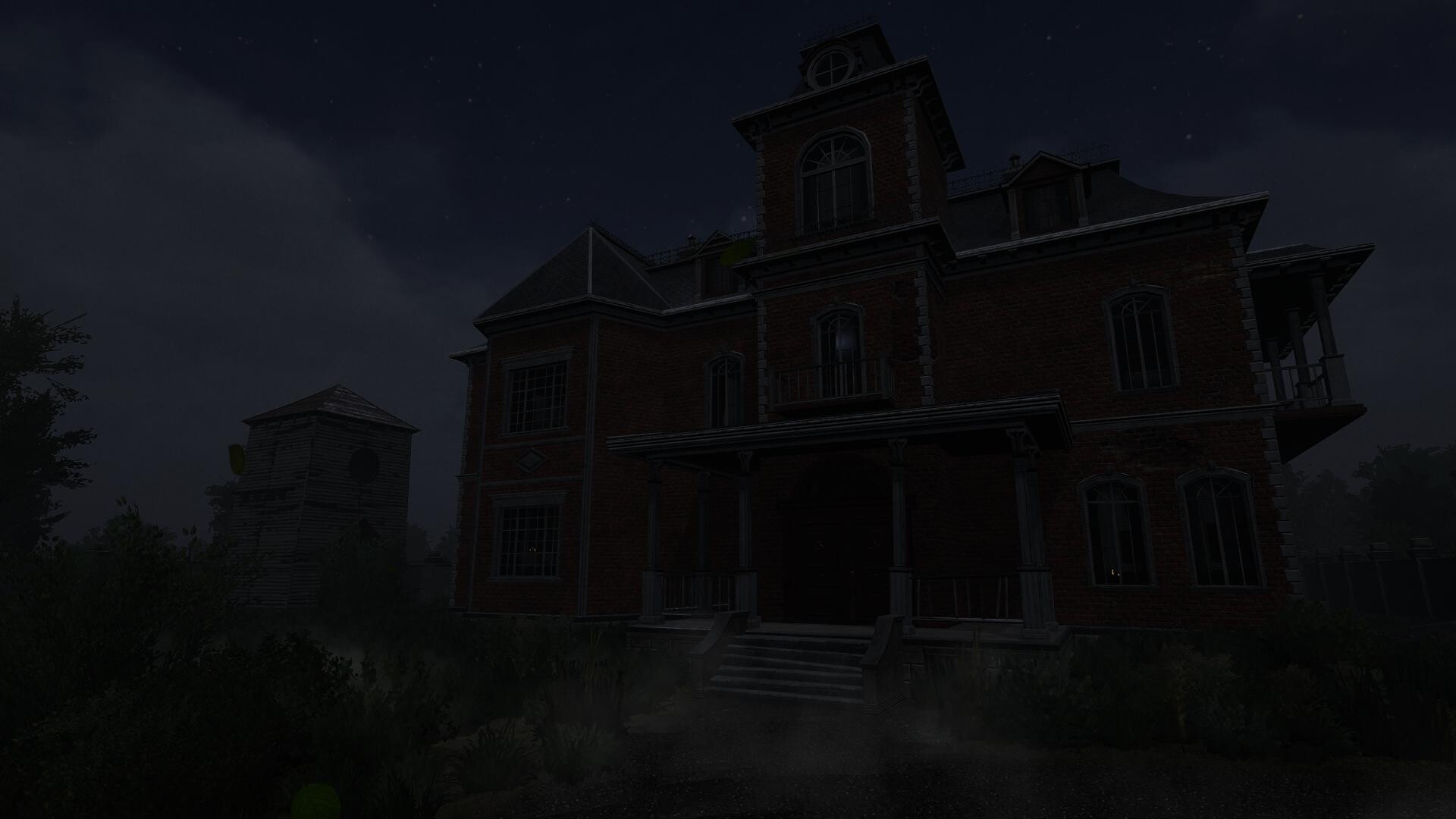
Trace of the Villa places you inside a decaying, deliberately forgotten mansion where Jin’s search for a missing sister turns into a slow, clue-driven investigation. The game trades cheap jump scares for a sustained atmosphere of erasure and unease — the kind of psychological horror that rewards patience and careful reading of the environment.

Quick facts
| Title | Trace of the Villa |
|---|---|
| Release date | 28 May, 2026 |
| Developer / Publisher | Steadyturtle Co., Ltd. |
| Genres | Action, Adventure, Indie |
| Key Steam categories | Single-player; Color Alternatives; Custom Volume Controls; Playable without Timed Input; Subtitle Options; Family Sharing |
| Platform | PC (Steam) |
| Steam page | Open Trace of the Villa on Steam |
What the game is (and how it works)
Official Steam materials position Trace of the Villa as a narrative mystery built around environmental storytelling. Jin arrives at an off-grid mansion and discovers rooms frozen in motion, secured doors, and personal items that conspicuously lack names or photographs. Restoring power is a recurring beat: secured systems come back online, hidden compartments unlock, and safes yield fragments of encrypted documents and suspicious transfer records. Progress is driven by exploration, reading clues, and solving puzzles that peel back layers of a larger, concealed operation.

Who this is for
If you prefer atmosphere, quiet tension, and gradual revelations over constant jump scares, this is aimed at you. Trace of the Villa will appeal to players who enjoy:
- slow-burn suspense and investigative pacing;
- environmental storytelling where details in a room serve as clues;
- puzzle-driven progression tied to restoring systems and unlocking secrets;
- story-rich adventure with a personal stake (Jin’s search for his sister).
When and where — Steam context
Trace of the Villa released on Steam on 28 May, 2026. The Steam store page lists Steadyturtle Co., Ltd. as both developer and publisher and classifies the game as Action / Adventure / Indie with several accessibility-focused categories (custom volume controls, subtitle options, color alternatives, playable without timed input).
Why quiet uncertainty matters more than shock claims
Psychological horror that prioritizes uncertainty turns discovery into an emotional engine: ambiguity about who occupied the rooms, why identities were erased, and whether the sister is still alive creates a sustained feeling of unease. Restoring power and watching systems reveal carefully concealed documents pulls players forward not through reflexive fear but through curiosity and dread. That’s a different tension economy than games that rely on frequent shocks — it’s less about the startle and more about the slow accumulation of doubt and the dread of what the next clue might imply.
How progression and puzzles are presented
The Steam description highlights mechanics tied to investigation rather than timed combat: restoring estate power, unlocking compartments, decrypting documents, and tracing financial records. These are narrative puzzle beats — solving one reveals another layer of the operation that used the mansion — which frames the gameplay loop as piecing together a fractured history rather than clearing hordes or surviving scripted jumps.
Player scenarios — who should wishlist or skip
Wishlist if you:
- like methodical exploration and reading the environment for story clues;
- prefer puzzles that reveal narrative fragments instead of combat challenges;
- enjoy moody, isolated settings and slow-burn suspense;
- value accessibility options like subtitles and no-timed-input play.
Maybe skip if you:
- want constant adrenaline and frequent jump-scare pacing;
- expect heavy action or multiplayer elements (the game is single-player focused);
- prefer overt exposition over inference-driven storytelling.
How Trace of the Villa compares to other psychological/horror exploration titles
Below is a compact editorial comparison that focuses on tone, pacing, and player experience rather than ranking.
| Title | Genre / Atmosphere | Exploration & Pacing | Puzzle focus | Story tone |
|---|---|---|---|---|
| Trace of the Villa | Action / Adventure / Indie — mansion mystery, atmospheric, slow-burn | Clue-driven, methodical exploration; restoring systems reveals new areas | Narrative puzzles, encrypted documents, environmental clues | Personal search, erased identities, concealed operation |
| Amnesia: The Dark Descent | Action / Adventure / Indie — immersive first-person horror | Immersive, tension-heavy with survival elements and claustrophobic pacing | Light environmental puzzles combined with survival mechanics | Nightmarish, memory and sanity themes |
| SOMA | Action / Adventure / Indie — sci‑fi psychological horror | Exploration of a hostile, story-rich environment with deliberate pacing | Puzzles tied to environment and progression; emphasis on narrative choices | Existential, identity and consciousness-focused |
| Layers of Fear (2016) | Adventure / Indie — first-person psychological horror | Slow, atmospheric exploration in a shifting Victorian mansion | Environmental and narrative puzzles that alter perception | Madness, obsession, art and guilt |
| Poppy Playtime | Action / Adventure / Indie — horror/puzzle adventure with a toy-factory setting | More overt set-piece puzzles and chase moments; faster rhythm | Mechanical puzzles using unique tools (e.g., GrabPack) | Playful-sinister, tense but gadget-driven |
YouTube discovery
Looking for trailers or gameplay clips? Use this YouTube search path to find community uploads and trailers: Search Trace of the Villa trailer / gameplay on YouTube. (This link is offered as a discovery route; it is not a claim about any specific video’s official status.)
Final thoughts
Trace of the Villa is designed for players who want a slow-burn investigative experience rooted in atmospheric mystery and environmental storytelling. If you appreciate piecing together a story from objects, documents, and systems that slowly reveal a troubling past, the game’s focus on quiet tension over repeated shocks will likely reward you.
Leave a Reply