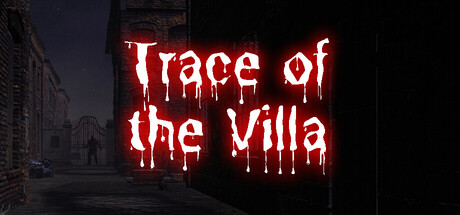
Trace of the Villa: why quiet tension and slow-burn uncertainty matter on Steam
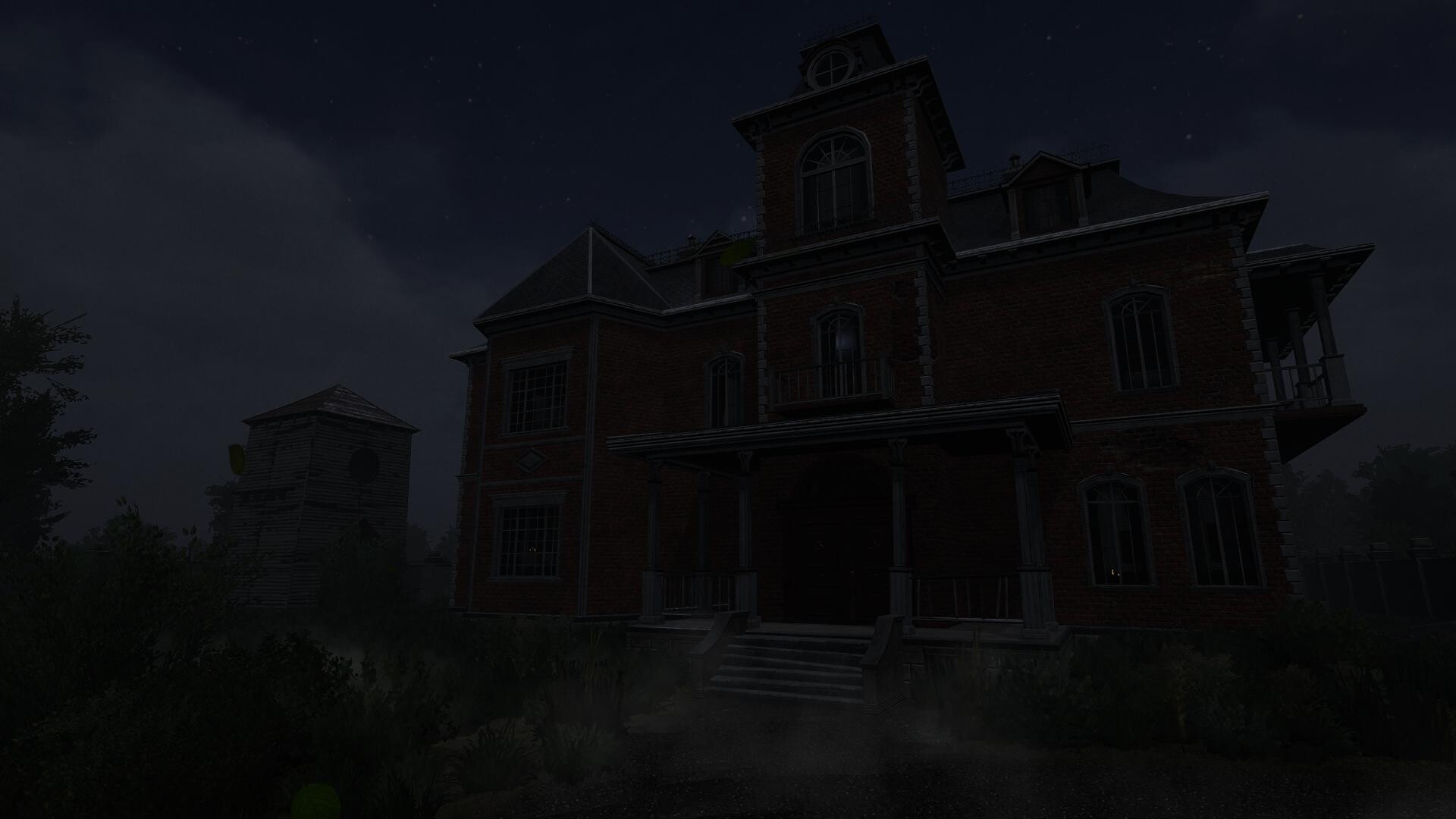
Trace of the Villa asks a simple, unnerving question: what haunts a house that looks as if its occupants were erased rather than fled? Released on 28 May, 2026 by Steadyturtle Co., Ltd., this Steam indie positions you as Jin—an investigator drawn to a decaying mansion by faint manifests and hints that his missing sister might still be alive.

Who this is for
If you prefer psychological investigation over jump scares, Trace of the Villa is targeted at players who like their dread built layer by layer. This is for people who enjoy atmospheric mystery adventure on PC: players who value environmental storytelling, clue-driven exploration, and puzzle-led unspooling of a narrative. It will appeal to those who found tension in titles that emphasize mood and implication rather than constant shocks.
What the game is
Trace of the Villa is an Action / Adventure / Indie title on Steam developed and published by Steadyturtle Co., Ltd. The official short description puts the dramatic hook plainly: Jin has long searched for his missing sister and follows a lead to a remote, decaying mansion where manifests and hints suggest she may still be alive. The official description adds that restoring power and uncovering secured systems, safes, and encrypted fragments are part of the progression—so expect a narrative built around investigation, restoration, and piecing together a deliberately concealed timeline.
When and where
Trace of the Villa launched on Steam on 28 May, 2026. It’s presented as a single-player PC experience and includes accessibility and options found in its Steam listing such as color alternatives, custom volume controls, subtitle options, and support for family sharing. The Steam page also notes the game is playable without timed input.
Why quiet tension and uncertainty matter more than shock claims
Psychological horror thrives on uncertainty: the not-quite-right detail, the absence where evidence should be, the slow accumulation of hints that force you to connect dots. Trace of the Villa’s premise—rooms furnished but identities erased; financial trails that lead nowhere; movements masked—works because it foregrounds ambiguity. When a game prioritizes slow-burn suspense, each discovered manifest, each unlocked safe, becomes meaningful. The horror comes from inference, not interruption.
How you progress: reading clues and restoring context
The official description makes the loop clear: Jin restores power, secured systems come back online, and hidden compartments or safes yield fragments of encrypted documents and transfer records. Progress is therefore investigative and puzzle-driven—restore, decrypt, interpret. That chain rewards patience and attention to environmental details rather than reflexive skill checks. Based on the Steam categories, the game is also playable without timed input, reinforcing a reflective playstyle.
Compact facts: Trace of the Villa
| Title | Trace of the Villa |
|---|---|
| Steam AppID | 3483660 |
| Release date | 28 May, 2026 |
| Developer / Publisher | Steadyturtle Co., Ltd. |
| Genres | Action, Adventure, Indie |
| Key categories | Single-player; Color Alternatives; Custom Volume Controls; Playable without Timed Input; Subtitle Options; Family Sharing |
| Premise | Jin searches a remote, decaying mansion for clues about his missing sister; restored power and unlocked safes reveal layers of a concealed operation. |
| Steam user reviews (public) | No user reviews on Steam at time of writing |
How Trace of the Villa sits beside nearby mystery & puzzle games
Below is a concise editorial comparison on lawful criteria—tone, pacing, puzzle focus, and exploration style—to help you decide whether Trace of the Villa matches your taste.
| Title | Release | Tone / Pacing | Puzzle & Exploration Focus |
|---|---|---|---|
| Trace of the Villa | 28 May, 2026 | Slow-burn, atmospheric mansion mystery; emphasis on ambiguity and restored systems | Clue-driven restoration (power, systems, safes); environmental storytelling |
| Amnesia: The Dark Descent | 8 Sep, 2010 | Immersive, claustrophobic; tension through vulnerability and constant threat | Exploration and survival-driven puzzles; immersion-focused horror |
| SOMA | 21 Sep, 2015 | Sci‑fi existential dread; slow narrative pacing with philosophical beats | Story-led exploration with puzzle segments; emphasis on narrative implications |
| Layers of Fear (2016) | 15 Feb, 2016 | Psychological, surreal mansion atmosphere; episodic revelations | Atmosphere and storytelling over mechanical puzzles; shifting environments |
| Poppy Playtime | 12 Oct, 2021 | Tense and toy-inflected horror with more overt set pieces | Puzzle adventure with distinct mechanical tools (e.g., GrabPack) and puzzle set pieces |
Player scenarios — who should wishlist this
- Prefer atmospheric, narrative-first mysteries: wishlist if you like deciphering a timeline from fragments rather than repeated combat or reflex challenges.
- Enjoy investigative puzzle loops: wishlist if you like systems that return useful information when you restore them (power, safes, encrypted records).
- Want contemplative pacing: wishlist if you value slow-burn suspense and environmental storytelling over frequent jump scares.
- Need accessibility and comfort options: wishlist if you appreciate subtitle options, custom audio controls, and non-timed puzzles.

YouTube discovery
If you want to see how the game’s pacing and atmosphere play out in motion, search for trailers or gameplay videos using this YouTube query (this is a discovery path, not a claim of an official video): Trace of the Villa trailer / gameplay — YouTube search.
View Trace of the Villa on Steam
Referenced titles and trademarks belong to their respective owners. Comparisons above are editorial discovery only and not statements of endorsement or affiliation.
Leave a Reply