
Trace of the Villa — a slow-burn mansion mystery built around reading clues and assembling a hidden past
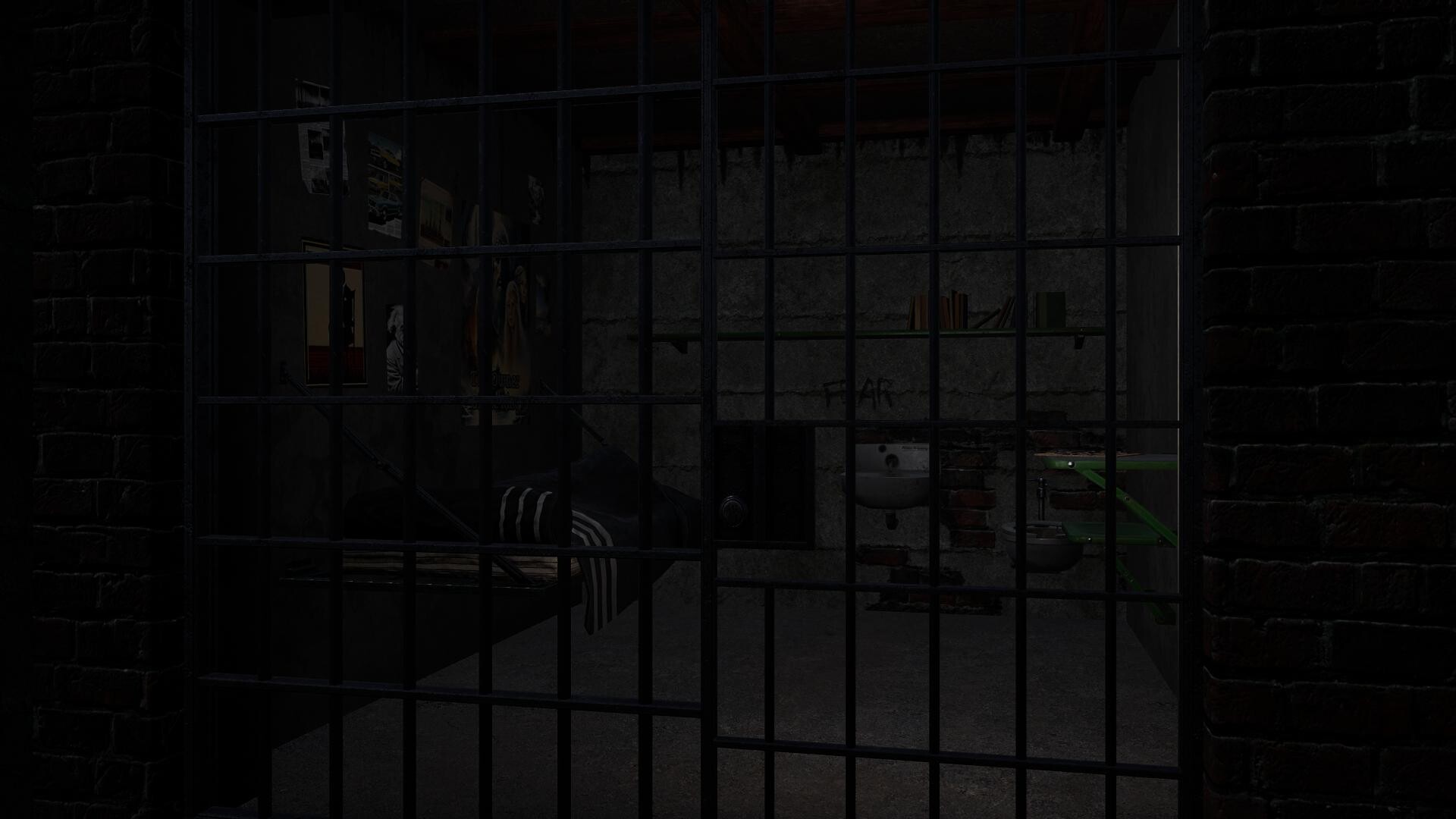
Trace of the Villa places you in the shoes of Jin, a man who has followed every cold lead to a decaying, off-the-grid mansion and found registers, manifests, and encrypted traces that suggest his missing sister might still be alive. Released 28 May, 2026 by Steadyturtle Co., Ltd., the game promises atmospheric, clue-driven exploration where restoring the house’s systems peels back sealed layers of identity, finance, and secrecy.

Quick facts
| Title | Trace of the Villa |
|---|---|
| Steam AppID | 3483660 |
| Developer / Publisher | Steadyturtle Co., Ltd. |
| Release date | 28 May, 2026 |
| Genres | Action, Adventure, Indie |
| Key Steam categories | Single-player; Color Alternatives; Custom Volume Controls; Playable without Timed Input; Subtitle Options; Family Sharing |
| Short premise | Jin has spent years searching for his missing sister and finds manifests and hints in a remote mansion that suggest she may still be alive at the end of the trail. |
Who is this for?
If you prize environmental storytelling and methodical mystery design over combat spectacle, this is aimed at players who enjoy reading context out of objects, systems and documents. The protagonist-driven premise—Jin hunting for a missing sister—will particularly appeal to people who want a personal, investigative throughline that ties puzzle encounters to a human stake.
What the game is (and what it’s not)
Official Steam text frames Trace of the Villa as a narrative-focused investigation inside a deliberately forgotten mansion. You restore power, pull up secured systems, and open locked compartments and safes to recover fragments: manifests, encrypted documents, suspicious transfer records and evidence of falsified identities. The game is presented as an atmospheric action-adventure with indie sensibilities, but the selling point is story-first mystery design—clues that accumulate into a larger, disturbing pattern.
When and where
Trace of the Villa launched on Steam on 28 May, 2026. It’s a PC/Steam release listed under Action, Adventure, Indie and includes single-player and accessibility features such as color alternatives, custom volume controls, subtitle options, and the ability to play without timed input.
Why the motif matters: erased identities and institutional secrecy
The mansion’s tone is one of erasure: rooms left mid-routine, personal effects present but names and photographs removed, records that point to organized concealment. That thematic focus—people moved and anonymized, financial trails that lead nowhere—codes the mystery as procedural rather than supernatural. For players interested in puzzles that reveal human systems (paper trails, transfers, forged identities), the emotional pull comes from assembling a narrative of how ordinary lives were subsumed into something larger and deliberately blanked out.
How you read clues and make progress
The official description makes the mechanics of discovery explicit: restoring power brings secured systems back online, hidden compartments unlock, and safes yield fragments of encrypted documents. Progress looks to be a mix of environmental puzzle-solving and document analysis: every solved lock or decrypted fragment opens a new branch of leads. That structure rewards patient deduction—tracking movements across manifests, connecting anomalous transfers, and mapping absence as much as presence.
Player scenarios — which type of Steam player should wishlist it
- The methodical investigator: If you enjoy sifting through logs, cross-referencing clues, and reconstructing timelines, Trace of the Villa’s design of layered evidence should satisfy you.
- The atmosphere-first explorer: Players who value slow-burn suspense and a suffocating, decaying mansion mood will find the setting rewarding.
- The narrative traveler: If you seek character-driven stakes—one protagonist’s search for a missing sibling rather than abstract high-concept hooks—this aligns with that preference.
- Not ideal for: Players seeking fast-paced combat or open-world traversal; Steam metadata and the official description emphasize locked, interior exploration and investigative progression over open-world or roguelike systems.

How it compares — quick editorial table
| Title | Core mystery focus | Exploration / puzzle style | Story tone & pacing |
|---|---|---|---|
| Trace of the Villa | Human-scale investigation into missing persons, erased identities, financial and document trails | Indoor, clue-driven; power restoration and document/safe decryption (per Steam description) | Slow-burn, intimate, procedural unmasking |
| Inscryption | Card-based secrets with meta and psychological layers | Deckbuilding + escape-room style puzzles (card table as puzzle surface) | Dark, psychological, layered with game-within-game reveals |
| Outer Wilds | Cosmic/systemic mystery of a solar system stuck in a time loop | Open-world exploration across multiple locales, environmental puzzles | Curious, exploratory, emergent—player-paced discovery across a loop |
| Journey | Abstract exploration of ancient, mysterious landscapes | Traversal and atmospheric discovery rather than document puzzles | Poetic, minimalist, meditative pacing |
| The Forgotten City | Narrative time-loop mystery set in ancient ruins | Dialogue-driven and consequence-based puzzle design; temporal manipulation | Plot-heavy, moral/ethical puzzle pacing |
| The Medium | Psychological horror split between real world and spirit realm | Third-person exploration blending dual-reality puzzles | Psychological, tense, and atmospheric |
Deciding whether to wishlist
Wishlist Trace of the Villa if you want story-first mystery design where every system—logs, safes, power grids—becomes a way to read a missing person’s history. If you prefer puzzle systems that pivot on time loops, large-scale world discovery, or stylized traversal over document forensics, compare with the other titles above before committing.
YouTube discovery
Looking for trailers or gameplay footage? Use this YouTube search path to find trailers and community videos (search results may include unofficial footage): https://www.youtube.com/results?search_query=Trace+of+the+Villa+trailer+gameplay
View Trace of the Villa on Steam
Referenced titles and trademarks belong to their respective owners. Comparisons above are editorial discovery only and not claims of endorsement or affiliation.
Leave a Reply