Trace of the Villa: why quiet tension and slow-burn uncertainty matter more than jump scares
Trace of the Villa is a Steam PC mystery set in a decaying, cut-off mansion where Jin follows fragments of a trail that may lead to his missing sister. The game trades overt shocks for incremental reveals—power restored, safes opened, encrypted fragments found—which together build psychological tension through environmental storytelling and puzzle-led investigation.

Quick facts
| Title | Trace of the Villa |
|---|---|
| Release date | 28 May, 2026 |
| Developer / Publisher | Steadyturtle Co., Ltd. |
| Genres | Action · Adventure · Indie |
| Key Steam categories / features | Single-player, Color Alternatives, Custom Volume Controls, Playable without Timed Input, Subtitle Options, Family Sharing |
| Store presence | Available on Steam for PC (store page live; no user reviews yet) |
Who should consider wishlisting Trace of the Villa?
Players who prefer atmospheric mystery adventure to adrenaline spikes. If you enjoy slowly collecting evidence, interpreting fragmented documents, and letting a mansion’s layout and furnishings tell a story, this is a title to watch. The Steam page highlights accessibility options (subtitles, color alternatives, custom volume) and single-player pacing—features useful for players who value comfort and deliberate investigation over reflex-driven scares.
What the game actually is
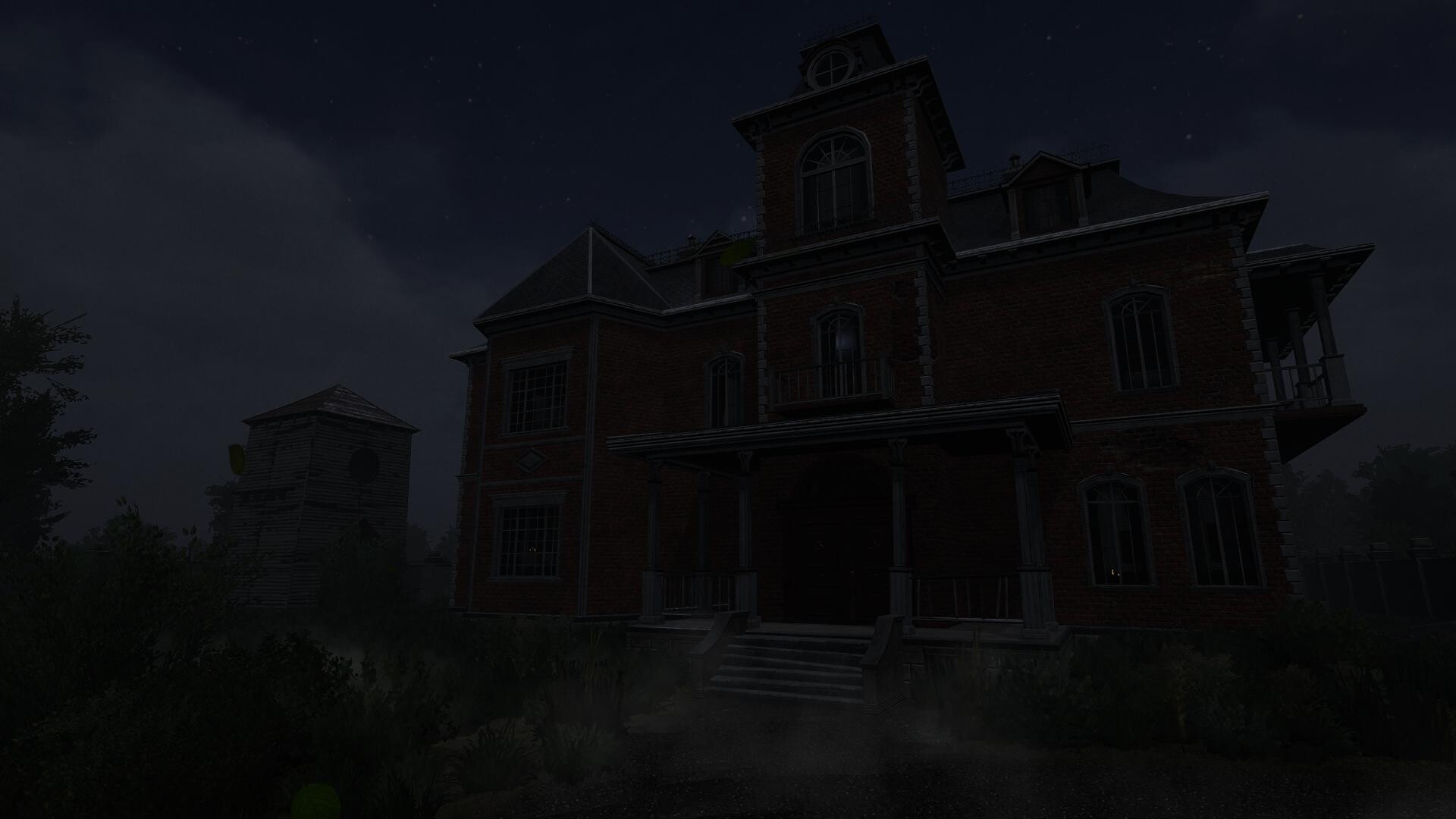
Official store text frames the plot plainly: Jin has been searching for his missing sister for years, and a lead points him to a remote, deliberately forgotten mansion. As Jin restores power to the estate, the house begins to reveal what it was hiding: secured systems come back online, hidden compartments unlock, and safes yield fragments of encrypted documents and suspicious transfer records. The design emphasis is on environmental storytelling, clue-driven exploration, and piecing together a timeline from artifacts rather than scripted jump-scares.

When and where: Steam release context
Trace of the Villa released on Steam on 28 May, 2026 and is listed under Action / Adventure / Indie on the store. The Steam page currently shows no user reviews. The product page also lists features that indicate accessibility and single-player focus—useful details for PC players deciding whether the pacing and control options fit their preferences.
Why slow-burn uncertainty often matters more than shock claims
Psychological horror that privileges incremental revelation rewards different player skills than jump-scare-driven design. Instead of reflexes, it asks for attention to layout, memory of prior clues, and patient inference. When a game uses power restoration, locked safes, and documents as its primary mechanics, tension comes from not knowing which small discovery will rearrange your understanding of the whole house—an uncertainty that lingers long after a single loud moment would have passed.
How you progress: reading clues, restoring systems, solving puzzles
The official description outlines a clear loop: explore rooms that feel “less abandoned than erased,” restore power to bring systems back online, then follow the newly available leads. Hidden compartments and safes yield encrypted fragments and transfer records; each unlocked element feeds the larger puzzle of arrivals, departures, and identities removed from records. Expect exploration, inventory or document-based clues, and narrative puzzle design rather than action-heavy combat encounters.
Player scenarios — who will get the most out of it
- Slow-burn investigators: You like to map out a location mentally, revisit rooms, and see how small details cohere into a conspiracy.
- Atmospheric explorers: You prefer environmental storytelling—furniture, lighting, and absent photographs that suggest a history more than explicit exposition.
- Accessible, deliberate players: Subtitle options, color alternatives, and “playable without timed input” are signals that pacing can be experienced at your tempo.
- Those avoiding jump scares: If sudden shocks frustrate you but the psychological dread of unanswered questions is compelling, this leans in the right direction.
How Trace of the Villa compares (editorial discovery)
Below is a focused comparison against a handful of well-known atmospheric/horror titles. The table is meant to help readers decide which game tone and pacing suit them; it does not claim superiority or official connection.
| Title | Release | Atmosphere / Tone | Core focus | Pacing | Player fit |
|---|---|---|---|---|---|
| Trace of the Villa | 28 May, 2026 | Mansion mystery, deliberately erased identities | Clue-driven exploration, environmental storytelling, puzzle investigation | Slow-burn, investigative | Fans of story-rich, exploration-led suspense |
| Amnesia: The Dark Descent | 8 Sep, 2010 | Claustrophobic, dread-filled immersion | Survival-leaning exploration and immersion | Slow-build but with tense encounters | Players seeking high-immersion terror and dread |
| SOMA | 21 Sep, 2015 | Existential sci-fi horror | Narrative-driven exploration with philosophical questions |
Leave a Reply