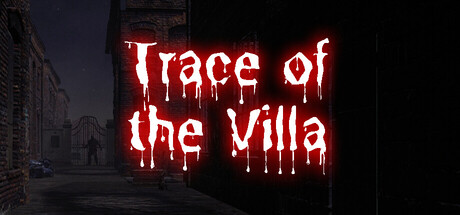
Trace of the Villa — why quiet tension and unresolved clues matter more than loud shocks
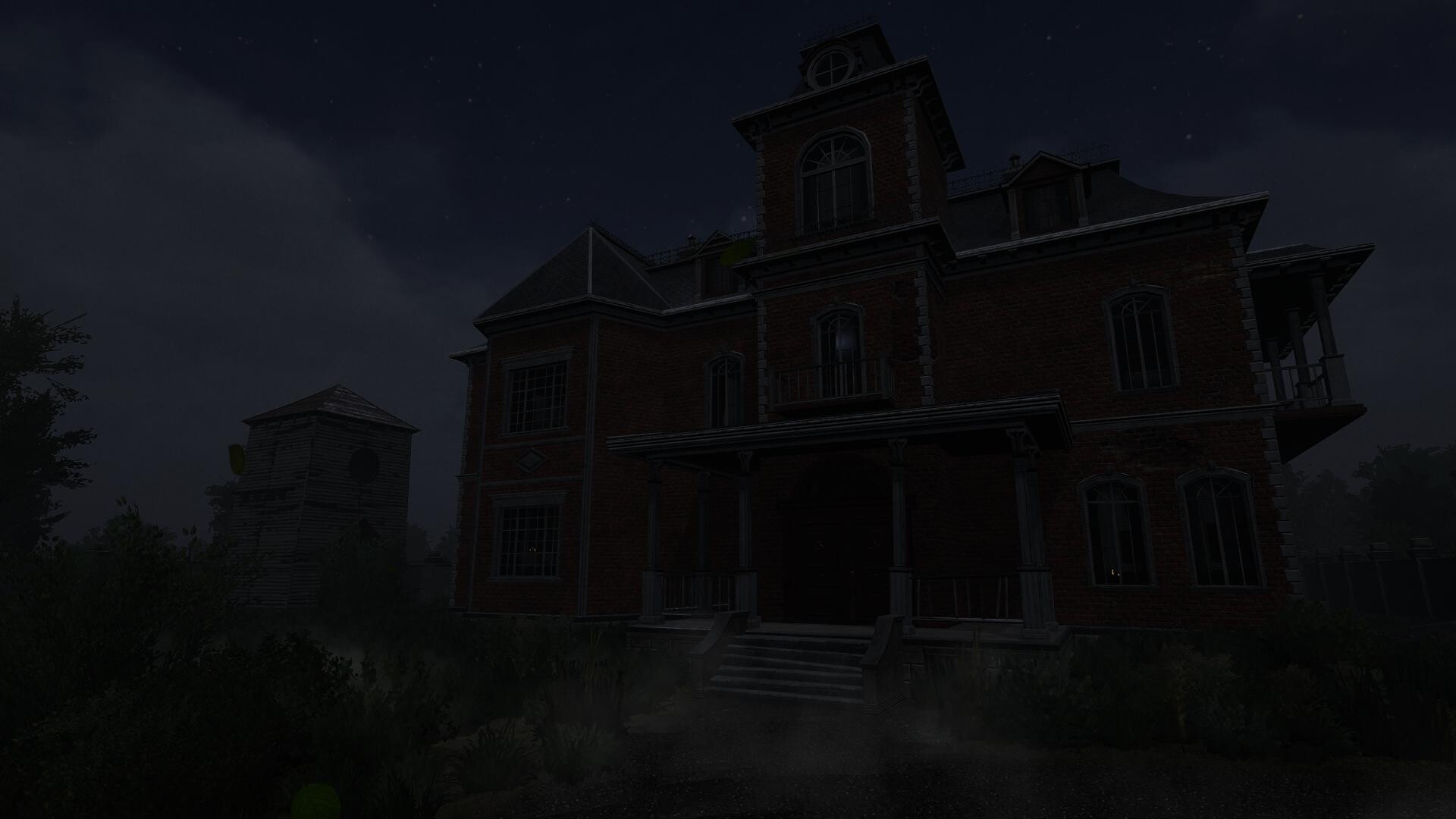
Trace of the Villa places a single investigator in a remote, decaying mansion and asks you to read the room as much as you read a file. The game prefers hush, omission and slow unspooling mystery over jump scares — a tone that rewards players who like their horror driven by atmosphere, not adrenaline.

Quick facts
| Title | Trace of the Villa |
|---|---|
| Steam App ID | 3483660 |
| Release date | 28 May, 2026 |
| Developer / Publisher | Steadyturtle Co., Ltd. |
| Genres | Action, Adventure, Indie |
| Key Steam categories | Single-player; Color Alternatives; Custom Volume Controls; Playable without Timed Input; Subtitle Options; Family Sharing |
| Premise | Jin searches a remote mansion for signs his missing sister may still be alive, recovering manifests and hints that point further down the trail. |
| Steam reviews | No user reviews on Steam as of publication |
Who this is for
If you prefer atmospheric mystery adventures where tension is composed rather than screamed, Trace of the Villa is aimed at you. This is a fit for players who enjoy environmental storytelling, clue-driven exploration, and slow-burn suspense — people who will spend time examining a room, following a paper trail, and letting implication do the heavy lifting.
What the game is
Officially described on Steam, Trace of the Villa follows Jin, who after years of dead leads finds a decaying mansion that suggests his missing sister may still be alive. The estate is cut off from the grid and deliberately forgotten; rooms appear preserved mid-routine and many doors and systems must be restored to reveal secured documents, encrypted fragments and obscured timelines. The listed genres are Action, Adventure and Indie, but the design emphasis in the description is on investigation and narrative puzzle discovery rather than combat spectacle.
When and where
Trace of the Villa released on Steam on 28 May, 2026. It’s presented as a Steam/PC indie title on the developer/publisher page run by Steadyturtle Co., Ltd., and the Steam store lists the single-player and accessibility categories noted in the facts table above.
Why the quiet tension matters
Restraint shapes a different kind of fear. Games that prefer mood over shock use silence, light, and the absence of explicit explanation to produce unease that lingers beyond play sessions. Trace of the Villa’s official premise — rooms that feel “less abandoned than erased,” locked systems returning to life, and falsified records — promises an atmosphere where the unknown is structurally embedded in the game design. When a title leans into omission, every discovered scrap of evidence shifts what you think you know; stakes accumulate through implication rather than spectacle.
How you play and progress
The Steam description frames progress as investigative: restore power, unlock systems and safes, and piece together encrypted documents and transfer records to reconstruct a timeline. Expect a focus on environmental puzzles, document reading, and exploration of locked or hidden compartments. The categories “Playable without Timed Input” and “Subtitle Options” point toward a paced, read-and-interpret experience rather than twitch-based sequences.

Player scenarios — who should wishlist it
- Investigative players: you enjoy piecing together a timeline from documents, logs and partial evidence, and you appreciate puzzles that unlock narrative fragments.
- Atmosphere-first players: you prefer slow-burn dread and mood-driven scenes where implication and omission create unease.
- Explorers who dislike timed mechanics: the Steam category “Playable without Timed Input” makes this a better fit if you dislike pressure-based sequences.
- Accessibility-minded players: the presence of subtitle options, color alternatives, and custom volume controls helps accommodate different play styles.
How it compares — measured editorially
Below is a comparison with nearby psychological/horror and exploration-focused titles to help you decide whether Trace of the Villa matches your taste. These comparisons use lawful editorial criteria — genre, atmosphere, puzzle focus, exploration and pacing — without making superiority claims.
| Title | Genre / Tone | Puzzle vs Action | Exploration style | Pacing | Who might prefer it |
|---|---|---|---|---|---|
| Trace of the Villa | Action / Adventure / Indie — mansion mystery, investigative mood | Document- and environment-driven puzzles with investigative emphasis | Careful room-by-room examination, restoring systems and unlocking secrets | Slow-burn, methodical | Players who like atmospheric detective work and subtle dread |
| Amnesia: The Dark Descent | Action / Adventure / Indie — immersive first-person survival horror | Light puzzles; heavy survival and sanity mechanics | Linear, claustrophobic exploration designed to maximize dread | Tense and relentless, with spikes of panic | Players who want intense dread and vulnerability |
| SOMA | Action / Adventure / Indie — sci-fi horror with existential themes | Puzzle and narrative interplay; occasional stealth/avoidance | Structured facility exploration with a story-first approach | Measured, reflective, with tense encounters | Players who prefer psychological questions and atmospheric storytelling |
| Layers of Fear (2016) | Adventure / Indie — Victorian/psychological mansion horror | Environmental puzzles; story revealed through changing spaces | Walking-simulator style exploration in a shifting house | Slow, surreal and disorienting | Players drawn to narrative-driven, surreal atmospheric horror |
| Poppy Playtime | Action / Adventure / Indie — puzzle/horror
Steam pageView Trace of the Villa on Steam YouTube discoveryFor trailer and gameplay discovery, use YouTube search rather than relying on unverified embeds: Find Trace of the Villa trailer and gameplay searches on YouTube. CommentsMore posts |
Leave a Reply