
Trace of the Villa: when rooms become both puzzles and witnesses
Trace of the Villa (Steadyturtle Co., Ltd.) places you in a decaying mansion where Jin’s search for a missing sister turns into a methodical, room-by-room investigation. Released 28 May, 2026 on Steam, the game leans on clue reading, object logic and layered story puzzles to make each chamber a compact narrative and mechanical challenge.

Quick facts
| Title | Trace of the Villa |
|---|---|
| Steam appid | 3483660 |
| Developer / Publisher | Steadyturtle Co., Ltd. |
| Release date | 28 May, 2026 |
| Genres | Action, Adventure, Indie |
| Steam categories | Single-player; Color Alternatives; Custom Volume Controls; Playable without Timed Input; Subtitle Options; Family Sharing |
| Short premise (official) | “Jin has spent years searching for his missing sister… a remote, decaying mansion where he recovered manifests and hints that indicate his sister may still be alive.” |
Who this is for
If you enjoy atmospheric mystery adventure on PC — players who prefer slow-burn suspense, environmental storytelling and puzzles that reward careful reading — Trace of the Villa is aimed at you. It suits people who like to treat rooms as evidence chambers: players who inspect objects, piece together manifests and encrypted fragments, and follow a narrative trail rather than rely on fast twitch action.
What the game is
Official materials describe Trace of the Villa as an investigation-driven mansion mystery. Jin explores a property “cut off from the grid,” restores power, and uncovers secured systems, hidden compartments and safes that yield encrypted documents and suspicious transfer records. Rooms are presented as furnished tableaux — personal effects remain but “no photographs, no names, no history” — which frames each space as both a mechanical puzzle and a narrative container.
When and where
Trace of the Villa launched on Steam on 28 May, 2026. The Steam page lists the game’s developer and publisher as Steadyturtle Co., Ltd. and shows the game categorized under Action, Adventure, Indie with Single-player and accessibility-style categories such as Subtitle Options and Playable without Timed Input.
Why the room-first design matters
Thinking of rooms as “puzzle spaces and story containers” clarifies how the title uses environment to do two jobs at once: objects are logical keys to mechanical solutions, and the arrangement of those objects delivers narrative hints. Restoring power and watching systems come back online, or peeling open a safe to find an encrypted manifest, are mechanics that also reveal character, motive and institutional traces. For players who value context as much as solution, each solved mechanical problem also rewrites the game’s reading of who lived there and why.
How you read clues and progress
- Clue reading: the official text highlights recovered manifests and hints. Expect documents and fragmented records to be primary narrative carriers.
- Object logic: the mansion contains secured systems, safes and hidden compartments — physical interactions unlock new information and tools.
- Story puzzles: solving mechanical locks or decrypting fragments accumulates the timeline and reveals patterns (arrivals without records, departures without witnesses) that drive the investigation forward.
Visual sample
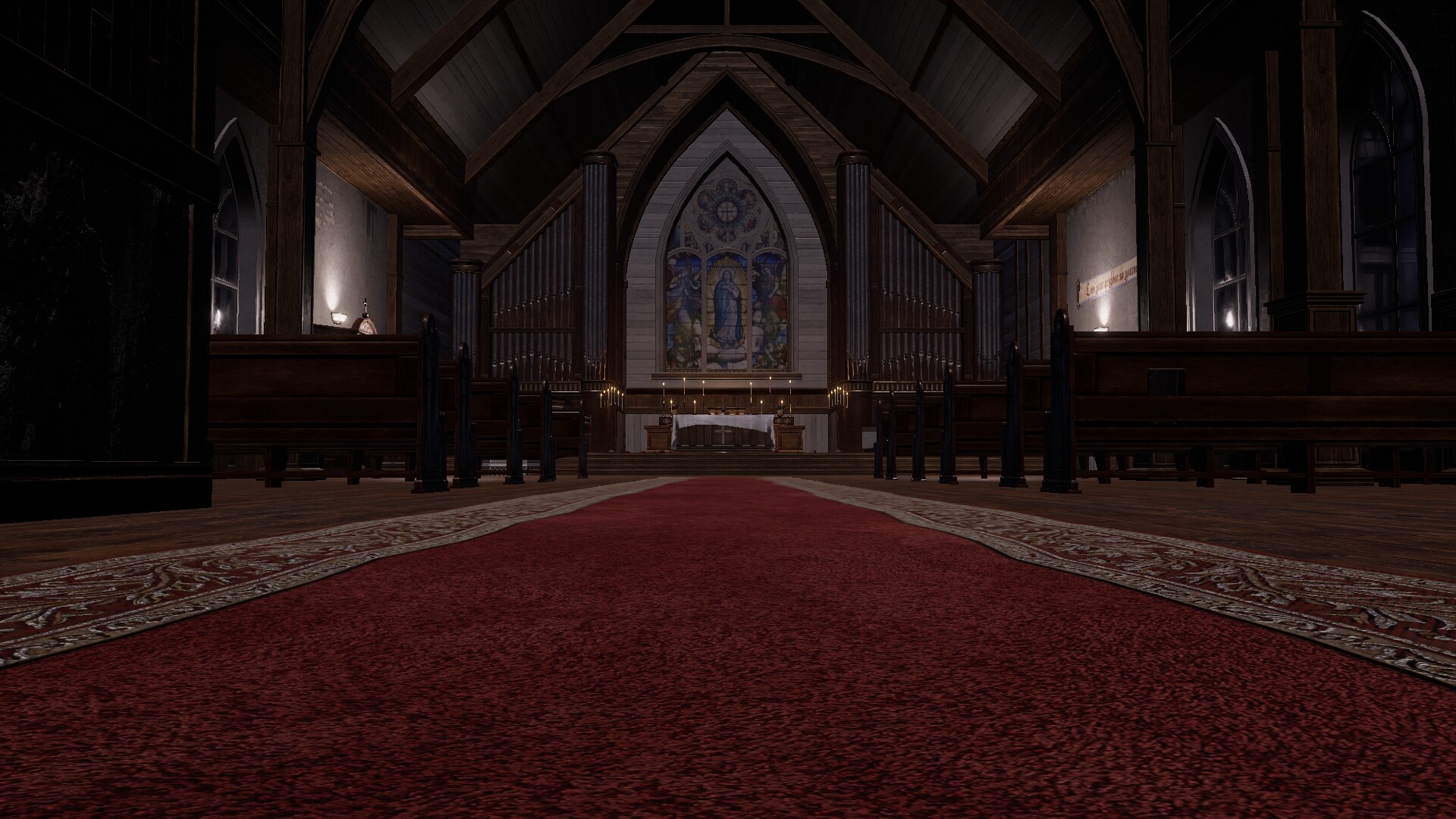

Player scenarios — who will get the most from Trace of the Villa
- Evidence-first solver: You highlight, photograph, annotate and cross-reference every document. The game’s manifests and encrypted fragments are written for your workflow.
- Slow-burn atmospheric player: You value tone and implication; rooms that feel “erased” rather than simply abandoned will hold your attention more than action set-pieces.
- Puzzle completionist: If you enjoy unlocking nested safes and following financial trails (suspicious transfer records appear in the official description), the compound logic of interconnected rooms will be satisfying.
– Not ideal for: players who want high-tempo combat or open-world freedom — Trace of the Villa is structured around contained spaces and investigative pacing.
Comparison: how Trace of the Villa sits near related puzzle and room games
| Title | Release | Puzzle focus | Exploration style | Story tone / pacing | Player fit |
|---|---|---|---|---|---|
| Trace of the Villa | 28 May, 2026 | Clue-driven, object logic, encrypted documents and safes | Room-by-room investigation in a single mansion | Atmospheric, slow-burn mystery (restoring systems reveals layers) | Players who like environmental storytelling and methodical unraveling |
| The Room | 28 Jul, 2014 | Mechanical safe-box puzzles; tactile object puzzles | Focused, single-room to single-object progression | Mysterious, curio-box tone with concentrated puzzle loops | Puzzle fans who like tactile, object-centric riddles |
| The Room Two | 5 Jul, 2016 | Expanded object puzzles across linked spaces | Sequential environmental puzzles with evolving mechanics | Cryptic and atmospheric, similar pacing to The Room | Players who enjoyed the first game and want broader environments |
| Escape Simulator | 19 Oct,
Steam pageView Trace of the Villa on Steam YouTube discoveryFor trailer and gameplay discovery, use YouTube search rather than relying on unverified embeds: Find Trace of the Villa trailer and gameplay searches on YouTube. CommentsMore posts |
Leave a Reply