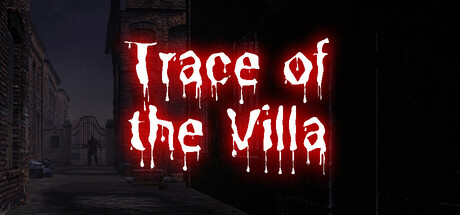
Trace of the Villa: why quiet tension and uncertainty matter more than shock claims
Trace of the Villa arrives as a slow-burn mansion mystery that uses erasure and absence to build dread rather than relying on jump scares. Released 28 May, 2026 by Steadyturtle Co., Ltd., it positions investigation, restored systems and withheld identities at the centre of its psychological tension.

| Title | Trace of the Villa |
|---|---|
| Steam AppID | 3483660 |
| Release Date | 28 May, 2026 |
| Developer / Publisher | Steadyturtle Co., Ltd. |
| Genres | Action, Adventure, Indie |
| Categories | Single-player; Color Alternatives; Custom Volume Controls; Playable without Timed Input; Subtitle Options; Family Sharing |
| Short premise | Jin searches a remote, decaying mansion for signs that his missing sister may still be alive, recovering manifests and hints that push the trail onward. |
Who this is for
Trace of the Villa is aimed at players who prefer atmospheric mystery adventure and psychological investigation to fast-paced horror set-pieces. If you look for environmental storytelling, clue-driven exploration and slow-burn suspense — the kind of tension built from omission and implication — this is the sort of Steam indie horror that will suit your taste.
What the game actually is
Officially billed as a narrative where Jin has followed years of cold leads to a remote, decaying mansion, Trace of the Villa frames gameplay around uncovering erased lives and locked systems. The mansion’s rooms feel “less abandoned than erased,” with furnishings left mid-routine and personal effects present but stripped of names or photographs. Restoring power and systems reveals secured compartments, safes and encrypted fragments — a puzzle loop of discovery that turns investigation into exposition.
When and where to find it
Trace of the Villa released on Steam 28 May, 2026. It’s presented on Steam as a PC-focused single-player title (genres: Action, Adventure, Indie) with accessibility options such as subtitle support, custom volume controls and alternatives for color. For discovery and wishlisting, the Steam store page is the primary destination.
Why quiet tension and uncertainty matter here
Horror grounded in uncertainty asks players to fill in the blanks. Rather than a string of shocks, Trace of the Villa uses absence — missing photographs, falsified identities, financial traces that lead nowhere — to generate a persistent unease. That kind of dread often endures beyond a single play session because it privileges implication: every unlocked compartment and decrypted document reframes the house’s history and raises fresh questions. For players who value atmosphere and mood over jump-scares, that patient accumulation of detail is where the game’s emotional weight lives.
How progression and puzzles unfold
The official description emphasises systems restoration and investigative rewards. Jin restores power to the estate; secured systems come back online, hidden compartments unlock and safes yield encrypted fragments and suspicious transfer records. Players progress by assembling a timeline from these fragments — following financial trails, identifying falsified identities and mapping arrivals and departures — so the core loop is exploration, document forensics and context-building rather than reflex-based encounters.
Player scenarios — who should wishlist (and who might pass)
- Wishlist if: you enjoy story-rich adventure where puzzles reveal narrative beats, you favour environmental storytelling and you appreciate slow-burn suspense in a single-player setting.
- Consider skipping if: you expect rapid action and constant scares or prefer horror games that prioritise combat or frequent set-piece jump scares.
- Good fit for: PC players who like to read logs, piece together timelines and let atmosphere do much of the narrative work.
- Not a match for: players seeking cooperative or multiplayer experiences — Trace of the Villa is a single-player experience.
How Trace of the Villa compares to nearby titles
Below is a concise editorial comparison using lawful discovery criteria — genre, atmosphere, puzzle focus, exploration style, tone and pacing.
| Title | Release Date | Atmosphere / Tone | Puzzle / Investigation Focus | Exploration & Pacing |
|---|---|---|---|---|
| Trace of the Villa | 28 May, 2026 | Decaying mansion, erasure of identity, muted dread | Document fragments, encrypted safes, system restoration | Slow-burn, clue-driven exploration (single-player) |
| Amnesia: The Dark Descent | 8 Sep, 2010 | Immersive nightmare; dread grounded in helplessness | Environmental puzzles, survival emphasis tied to sanity | Atmospheric and immersive; tension through vulnerability |
| SOMA | 21 Sep, 2015 | Sci‑fi existential dread; questions of identity | Puzzle and narrative work together to provoke philosophical questions | Methodical exploration with narrative reveals under pressure |
| Layers of Fear (2016) | 15 Feb, 2016 | Shifting Victorian house; madness and unreliable reality | Story-oriented puzzles that drive a psychological arc | Hallucinatory, chapter-based pacing focused on story beats |
| Poppy Playtime | 12 Oct, 2021 | Abandoned factory horror with an antagonistic toy aesthetic | Puzzle devices (e.g., GrabPack) mixed with stealth/avoidance | Alternates puzzle segments with tense chase/avoidance moments |
Editorial note: these comparisons are meant to help players match expectations. Trace of the Villa sits closer to mood-driven, narrative puzzle adventures (like Layers of Fear or SOMA in tone) than to hazard-heavy or chase-centric horror (Poppy Playtime).
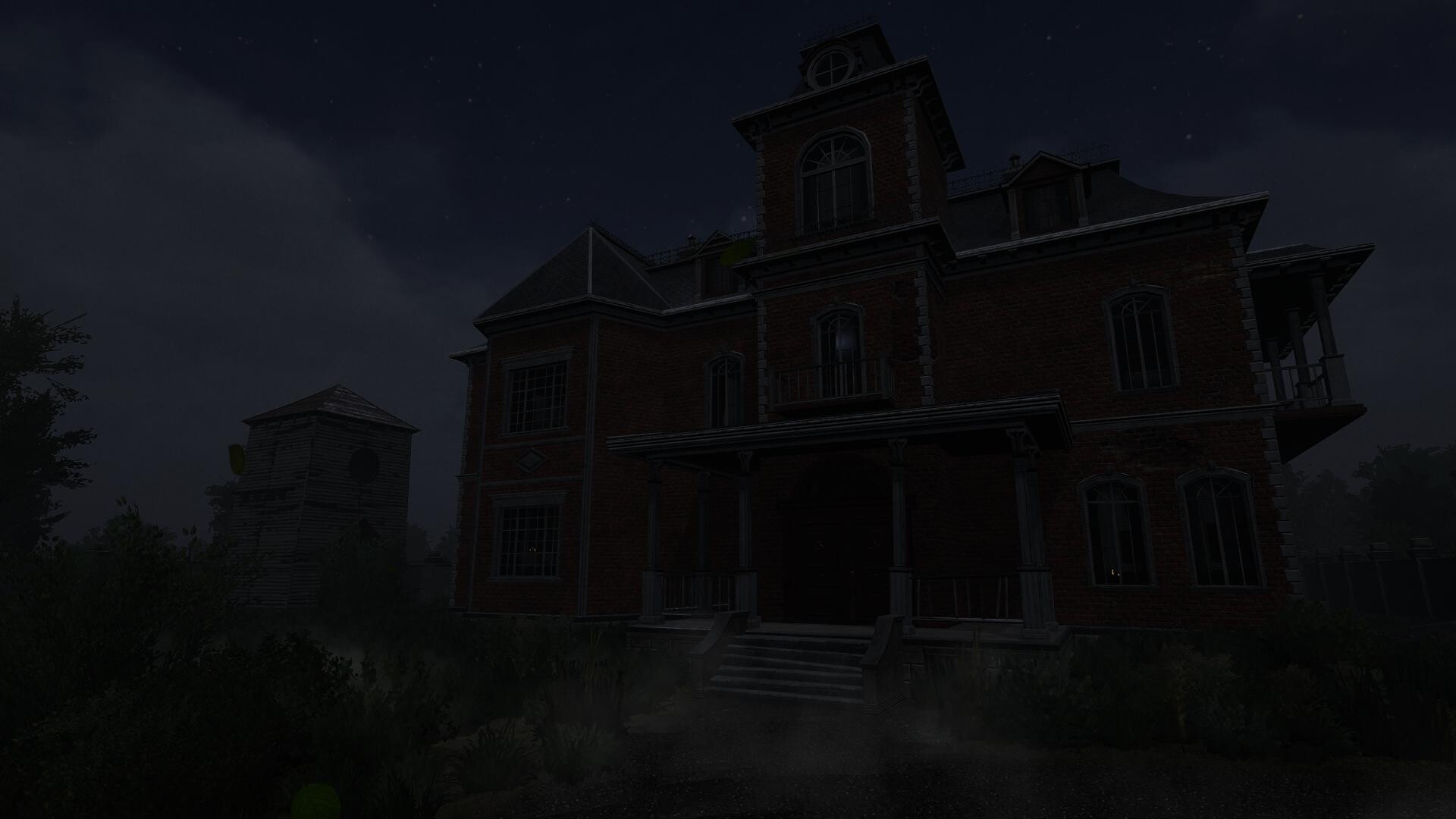
 View Trace of the Villa on Steam
YouTube discovery
For trailer and gameplay discovery, use YouTube search rather than relying on unverified embeds: Find Trace of the Villa trailer and gameplay searches on YouTube.
Leave a Reply