Trace of the Villa: why quiet tension and unanswered questions matter more than jump scares
Trace of the Villa places a slow-burning mystery at the center of its design: Jin follows a trail of manifests and erased identities to a remote, decaying mansion where each recovered fragment raises more questions than answers. The game leans on atmosphere, environmental storytelling, and restrained reveals rather than loud shocks—so your tension comes from not knowing, not from being startled.

Quick facts
| Title | Trace of the Villa |
|---|---|
| Steam AppID | 3483660 |
| Release date | 28 May, 2026 |
| Developer / Publisher | Steadyturtle Co., Ltd. |
| Genres | Action, Adventure, Indie |
| Categories / Accessibility | Single-player; Color Alternatives; Custom Volume Controls; Playable without Timed Input; Subtitle Options; Family Sharing |
What the game is
Officially described on its Steam page, Trace of the Villa follows Jin, who has spent years searching for his missing sister and tracks a lead to a deliberately forgotten mansion. Inside, the house feels “less abandoned than erased”: furnished rooms with no photos or names, locked doors hiding secrets, and evidence of a carefully concealed operation. Mechanically, the estate yields its story as you restore power, bring secured systems back online, unlock hidden compartments, and open safes that reveal encrypted documents and suspicious transfer records. The clues form an investigative trail rather than a sequence of scripted scares.
Who it’s for
Trace of the Villa suits players who prefer mood-driven horror and investigative pacing: if you value environmental storytelling, slow-burn suspense, and puzzle-led discovery over reflex-based survival or repeated jump scares, this is for you. It also accommodates players who need accessibility options—there are subtitle options, color alternatives, and settings that remove timed inputs—so the experience focuses on reading the scene and the documents rather than twitch responses.
When and where
Trace of the Villa released on Steam on 28 May, 2026. You can view the store page and wishlist or purchase it on Steam:
View Trace of the Villa on Steam.
Why the theme matters: restraint builds dread
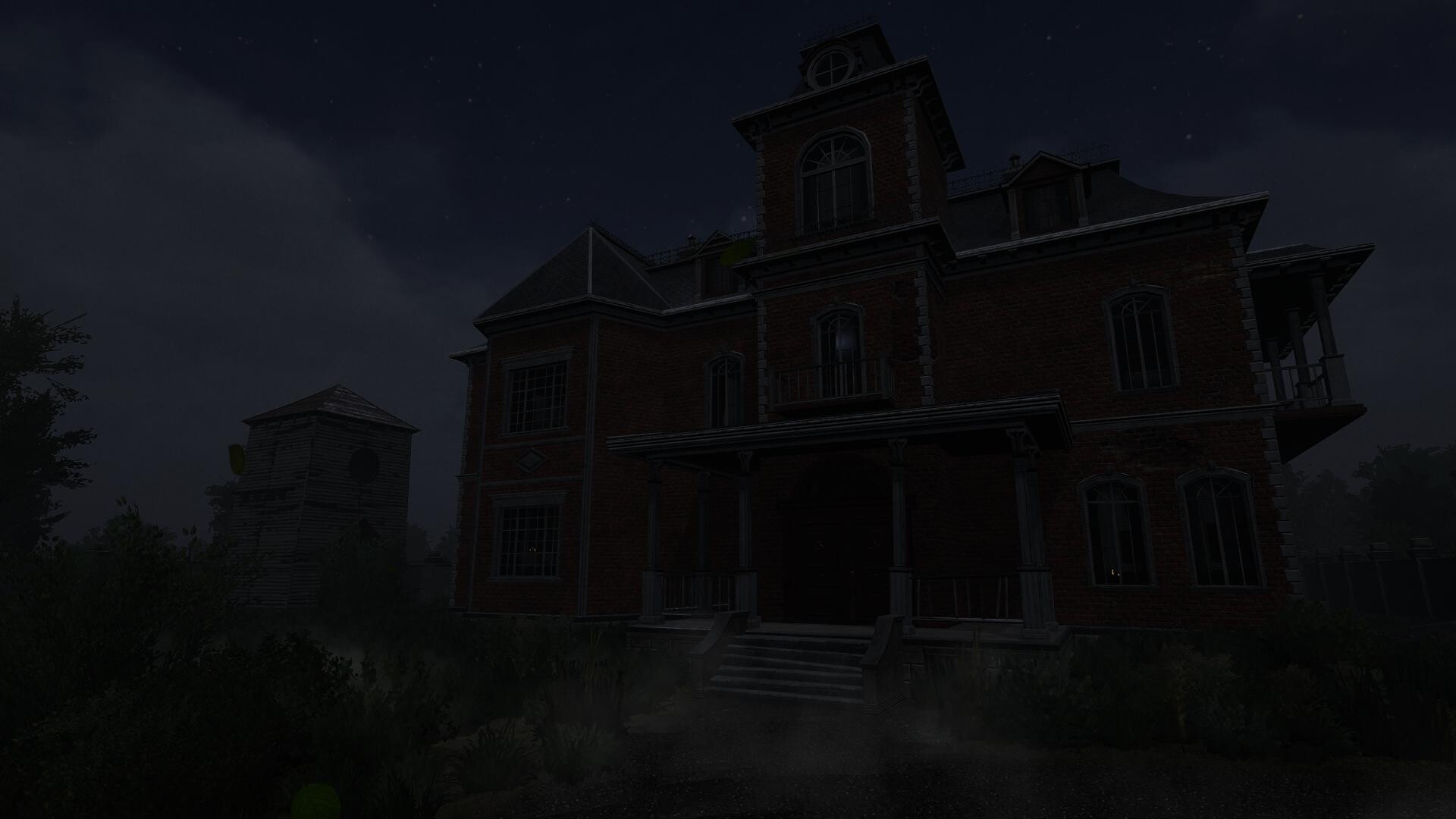
The mansion premise matters because it turns absence into a design tool. Rather than filling rooms with overt enemy encounters, Trace of the Villa makes the missing pieces—the lack of photographs, the erased identifiers, the quiet of furnished spaces—do the heavy lifting. Restoring systems and uncovering falsified identities create a creeping comprehension: each success in decoding a document or powering a corridor narrows the unknown but opens moral and emotional questions. That restraint keeps tension sustained; uncertainty becomes the engine of dread.
How you progress
Progression is clue-driven. Players search rooms, restore estate power to revive secured systems, and solve puzzles to unlock compartments and safes. Documents and encrypted fragments connect to a larger operation—financial trails, falsified identities, and movements that don’t add up—so advancement is both mechanical (restoring systems, solving environmental puzzles) and interpretive (reading fragments to form a timeline). The game emphasizes piecing together context over combat or timed sequences, which rewards careful observation and patience.

Who should wishlist it — player scenarios
- The environmental reader: You like sifting through objects and documents to assemble a story. If you find atmosphere and implication more rewarding than explicit explanation, this fits.
- The slow-burn fan: You prefer games that build unease gradually; you won’t mind long stretches of quiet punctuated by important reveals.
- The puzzle-investigator: You enjoy puzzles tied to narrative progression—unlocking compartments and decrypting fragments to move the plot forward.
- The accessibility-minded player: You appreciate subtitle options, color alternatives, and settings that remove timed inputs so you can focus on reading and thinking.
How it compares — concise editorial table
| Title | Genre / Release | Atmosphere & Story Tone | Puzzle / Exploration Focus | Pacing / Player Fit |
|---|---|---|---|---|
| Trace of the Villa | Action, Adventure, Indie — 28 May, 2026 | Decaying mansion, erased identities; restrained, investigative dread | Clue-driven: restore power, unlock compartments, decrypt documents | Slow-burn; for players who favor mood and investigation |
| Amnesia: The Dark Descent | Action, Adventure, Indie — 8 Sep, 2010 | Immersive survival horror; direct dread and helplessness | Exploration with survival mechanics; discovery-centric | Immersion-first, higher emphasis on vulnerability and immediate terror |
| SOMA | Action, Adventure, Indie — 21 Sep, 2015 | Sci-fi, existential unease set beneath the Atlantic; philosophical tone | Exploration and puzzle elements tied to narrative questions of identity | Slow-to-moderate; suits players who want story and philosophical stakes |
| Layers of Fear (2016) | Adventure, Indie — 15 Feb, 2016 | Psychological, Victorian mansion; surreal, story-heavy atmosphere | Environmental puzzles and narrative shifts; focuses on storytelling | Slow-burn, artistically driven; favors players who want psychological tension |
| Poppy Playtime | Action, Adventure, Indie — 12 Oct, 2021 | Abandoned factory horror with a toy-centric antagonist presence | Puzzle-adventure using unique tools (GrabPack) to interact with environment | More overt threat and set-piece moments; fits players who want puzzle-platform horror |
YouTube discovery
If you want trailers or gameplay clips, search YouTube with this query link (useful for finding trailers and community gameplay):
Trace of the Villa — YouTube search results.
Note:
Leave a Reply