
Trace of the Villa: Why Quiet Tension and Uncertainty Matter More Than Shocks
Trace of the Villa is a mood-driven mystery adventure that trades cheap jolts for slow-building dread: you play Jin, a searcher following leads to a remote, decaying mansion where manifestations of a past life hide clues about his missing sister. Released on 28 May, 2026 by Steadyturtle Co., Ltd., the game leans into environmental storytelling, locked doors, and puzzle-driven discovery rather than loud scare tactics.

Quick facts
| Title | Trace of the Villa |
|---|---|
| Developer / Publisher | Steadyturtle Co., Ltd. |
| Release date | 28 May, 2026 |
| Steam AppID | 3483660 |
| Official short description | Jin has spent years searching for his missing sister, pursuing leads that took him to a remote, decaying mansion where he recovered manifests and hints that indicate his sister may still be alive, somewhere at the end of the trail he is about to follow. |
| Genres / Categories | Action, Adventure, Indie — Single-player; Color Alternatives; Custom Volume Controls; Playable without Timed Input; Subtitle Options; Family Sharing |
Who is this for?
Trace of the Villa suits players who prefer slow-burn suspense and narrative puzzle design over twitch reflex horror. If you enjoy atmospheric mystery adventure and psychological investigation—where tension is made by unanswered questions, half-hidden documents, and a house that feels “erased” rather than theatrically haunted—this is targeted at you. The Steam page’s categories (single-player, subtitle options, playable without timed input) also indicate accessibility-friendly pacing for players who favour reading and considered exploration.
What the game is (and what it isn’t)
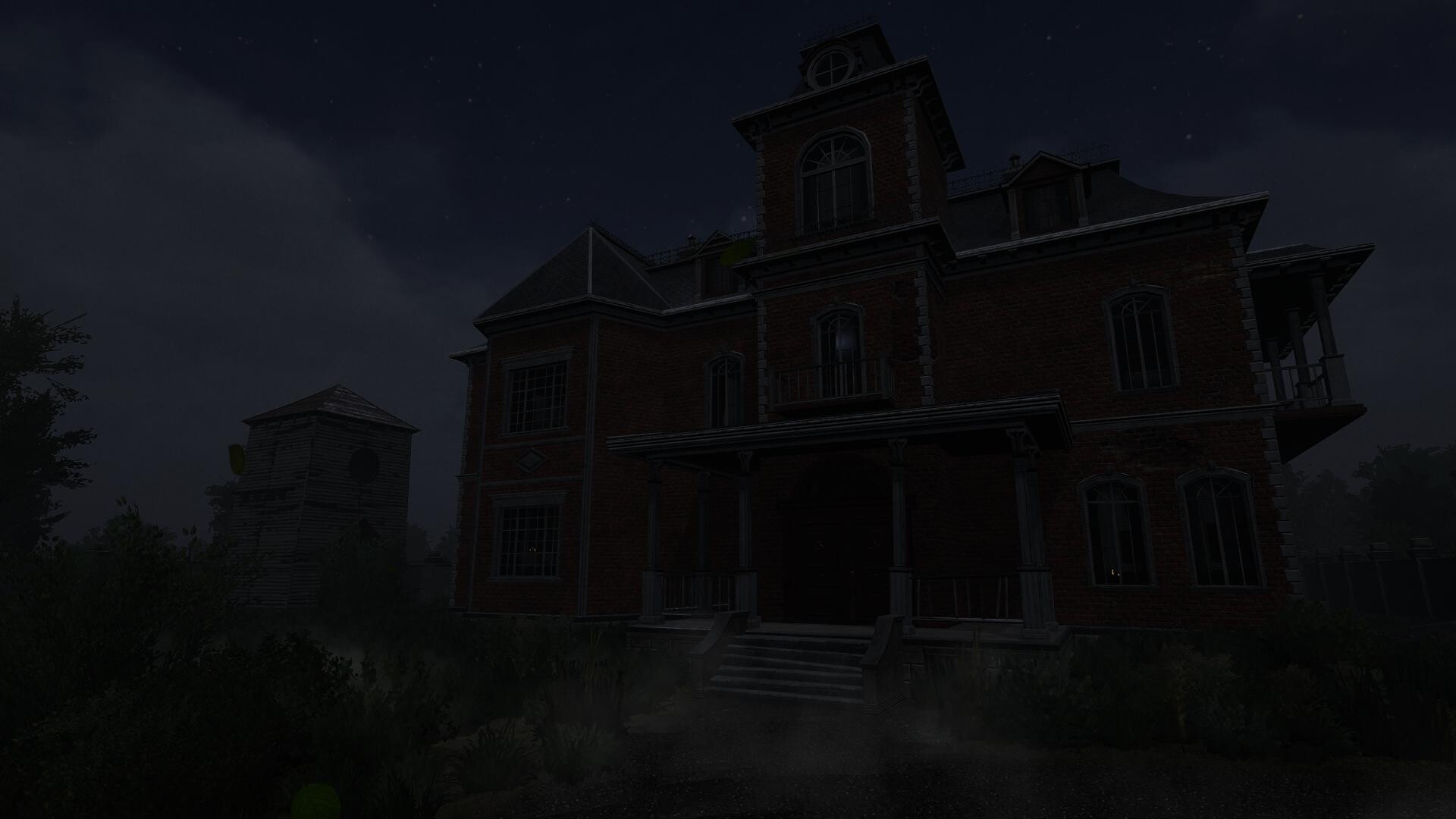
The official premise centers on Jin’s search: a decaying mansion cut off from the grid, rooms frozen mid-routine, locked doors, and deliberately concealed records. When Jin restores power, systems come back online and puzzles reveal falsified identities, encrypted fragments, and financial threads that don’t add up—evidence of an organised operation rather than a simple haunted house. That language points to clue-driven exploration and environmental storytelling, not jump-scare spectacle.
When and where to play
Trace of the Villa is available on Steam as of 28 May, 2026. The Steam store listing includes the official short description, genre tags, and accessibility categories that orient the experience toward puzzle-based exploration and slow-burn narrative tension.
Why quiet tension and uncertainty matter
Psychological horror that relies on uncertainty instead of repeated shocks gives players room to imagine outcomes, which is where fear becomes personal. Trace of the Villa’s approach—rooms that look lived-in but stripped of identity, encrypted documents and broken systems—creates a pattern of discoveries that compound rather than punctuate dread. As an editorial note: games that scaffold anxiety through unanswered questions and careful pacing often stay with players longer than those that default to startling noises and scripted frights.
How you read clues and progress
- Restore power and systems: the official description specifies that restoring power makes the house reveal what it was hiding—this frames progress as reactivating environments to access new information.
- Unlock compartments and safes: documented fragments and encrypted documents are explicit progression devices on the Steam page.
- Follow financial trails and falsified identities: narrative puzzles appear to be less about combat and more about connecting disparate evidence to reconstruct events and timelines.
- Puzzle-driven exploration: the listing’s genres and categories suggest investigation and environmental storytelling, so expect progression tied to solving and interpreting clues rather than timed action sequences.

Player scenarios — who should wishlist this
- Story-first explorers: you enjoy assembling timelines from documents, security logs, and objects rather than brute-forcing through hostile encounters.
- Atmosphere-focused players: you prefer games that build a sustained mood—creaking wood, muted lighting, and the sense of a place deliberately emptied of memory.
- Puzzle solvers who like slow reveals: if connecting financial oddities and falsified records into a coherent story appeals to you, the game’s official description promises that type of investigative satisfaction.
- Accessibility-minded players: the Steam categories include “Playable without Timed Input” and subtitle options, which help players who need more deliberate pacing.
How Trace of the Villa compares — a practical table
| Title | Genre / Tone | Puzzle & Exploration | Pacing / Fear Style | Player fit |
|---|---|---|---|---|
| Trace of the Villa | Action / Adventure / Indie — mansion mystery, psychological investigation | Clue-driven exploration, restoring systems, unlocking documents and safes | Slow-burn, mood and uncertainty over loud shocks | Players who prefer environmental storytelling and narrative puzzles |
| Amnesia: The Dark Descent | Action / Adventure / Indie — immersive survival horror | Exploration with survival constraints; immersion and discovery emphasized | Intense immersion and dread with moments of vulnerability | Players seeking immersion and psychological dread |
| SOMA | Action / Adventure / Indie — sci-fi horror set below the sea | Exploration and narrative puzzles with existential themes | Atmospheric, contemplative tension with philosophical undertones | Players interested in story-driven sci-fi horror and ethical questions |
| Layers of Fear (2016) | Adventure / Indie — psychological mansion horror focused on storytelling | Atmospheric exploration, shifting environments tied to narrative | Slow-building psychological unease and surreal changes | Players who enjoy narrative-focused, artful psychological horror |
| Poppy Playtime | Action / Adventure / Indie — horror/puzzle adventure in an abandoned factory | Puzzles using unique tools (e.g., GrabPack) and environmental interaction | Mixes jump-scare moments with puzzle tension | Players who enjoy puzzle gadgets and a more overtly threatening antagonist |
YouTube discovery
If you want to see trailers or gameplay to judge the tone for yourself, use this YouTube search link (search/discovery only): Trace of the Villa trailer & gameplay search. Note: use this as a discovery path; the Steam metadata provides the verified facts used above.
Steam store: Trace of the Villa on Steam
Disclaimer: referenced titles and trademarks belong to their respective owners. Comparisons here are editorial discovery only, based on genre, atmosphere, puzzle focus, exploration style, story tone, and pacing.
Leave a Reply