Trace of the Villa: Why Quiet Tension Trumps Cheap Shocks in Mansion Mysteries
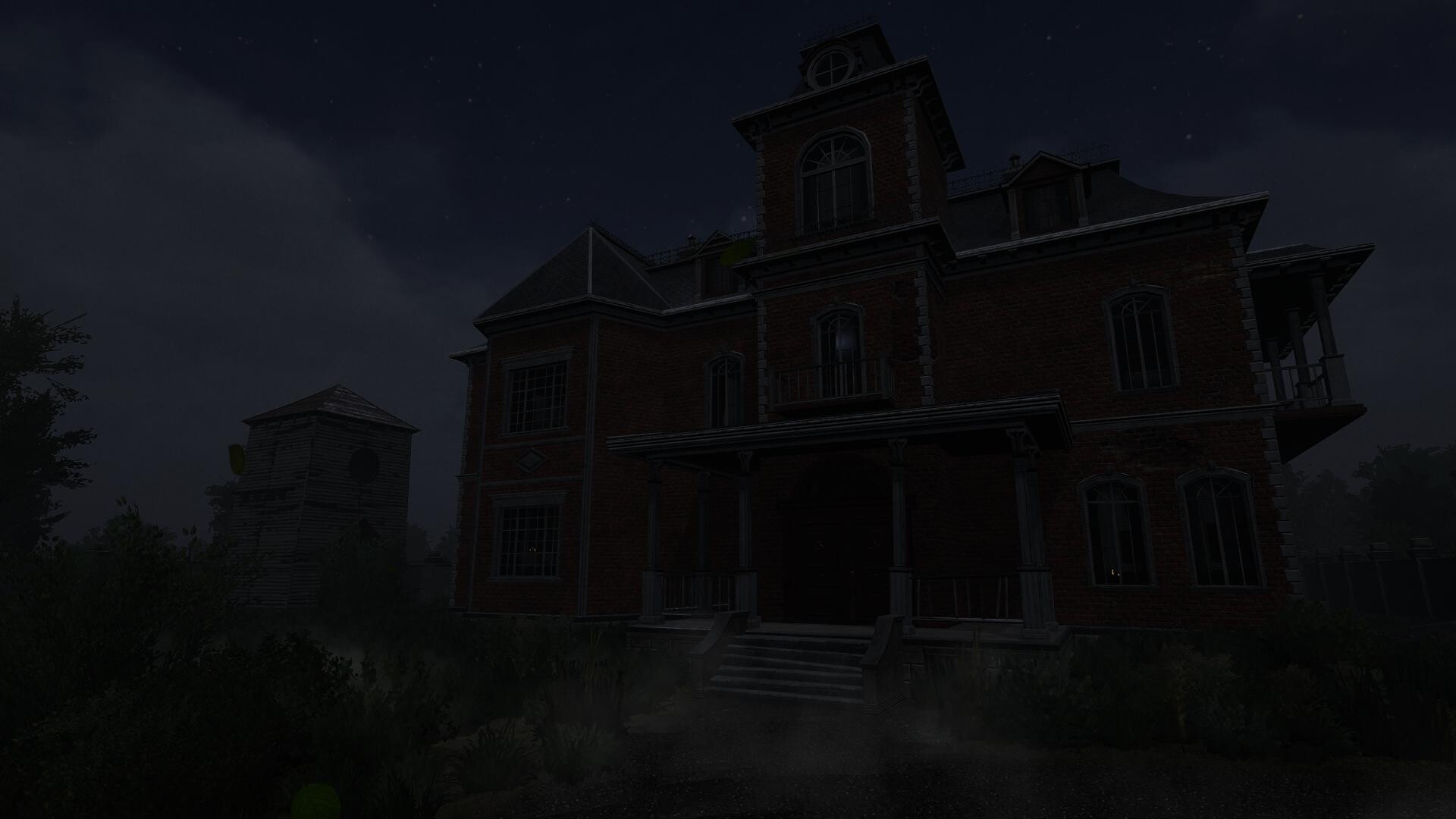
Trace of the Villa is a story-rich, slow-burn suspense game about a man’s search for his missing sister inside a deliberately forgotten mansion. Its strength is atmospheric mystery, environmental storytelling and restrained psychological tension rather than jump scares.

| Title | Trace of the Villa |
|---|---|
| Steam AppID | 3483660 |
| Release date | 28 May, 2026 |
| Developer / Publisher | Steadyturtle Co., Ltd. |
| Genres | Action, Adventure, Indie |
| Categories | Single-player; Color Alternatives; Custom Volume Controls; Playable without Timed Input; Subtitle Options; Family Sharing |
| Official short description | Jin has spent years searching for his missing sister, pursuing leads that took him to a remote, decaying mansion where he recovered manifests and hints that indicate his sister may still be alive, somewhere at the end of the trail he is about to follow. |
| Steam review summary | No user reviews |
Who should wishlist this
If you prefer atmospheric mystery adventure over reflex-heavy horror, Trace of the Villa is aimed at you. The game fits players who enjoy environmental storytelling, clue-driven exploration and slow-burn psychological investigation more than loud scares or constant combat. It also suits those who value accessibility options (custom volume controls, subtitle options, playable without timed input) and single-player narrative experiences on PC/Steam.
What the game is — tone and mechanics
Official materials present Trace of the Villa as a mansion mystery where Jin restores power, reactivates secured systems, and reveals encrypted documents and falsified identities. The emphasis in the store text is on piecing together a carefully concealed operation through restored systems, safes and hidden compartments. That framing signals a design leaning toward investigation and narrative puzzle design—reading documents, solving puzzles to unlock more history—rather than set-piece horror sequences.
When and where — Steam context
Trace of the Villa released on Steam on 28 May, 2026 and is developed and published by Steadyturtle Co., Ltd. The Steam page lists it under Action / Adventure / Indie and includes categories emphasizing single-player accessibility and audio/subtitle options. At the time of writing the store shows no user reviews.
Why the subtle tension matters
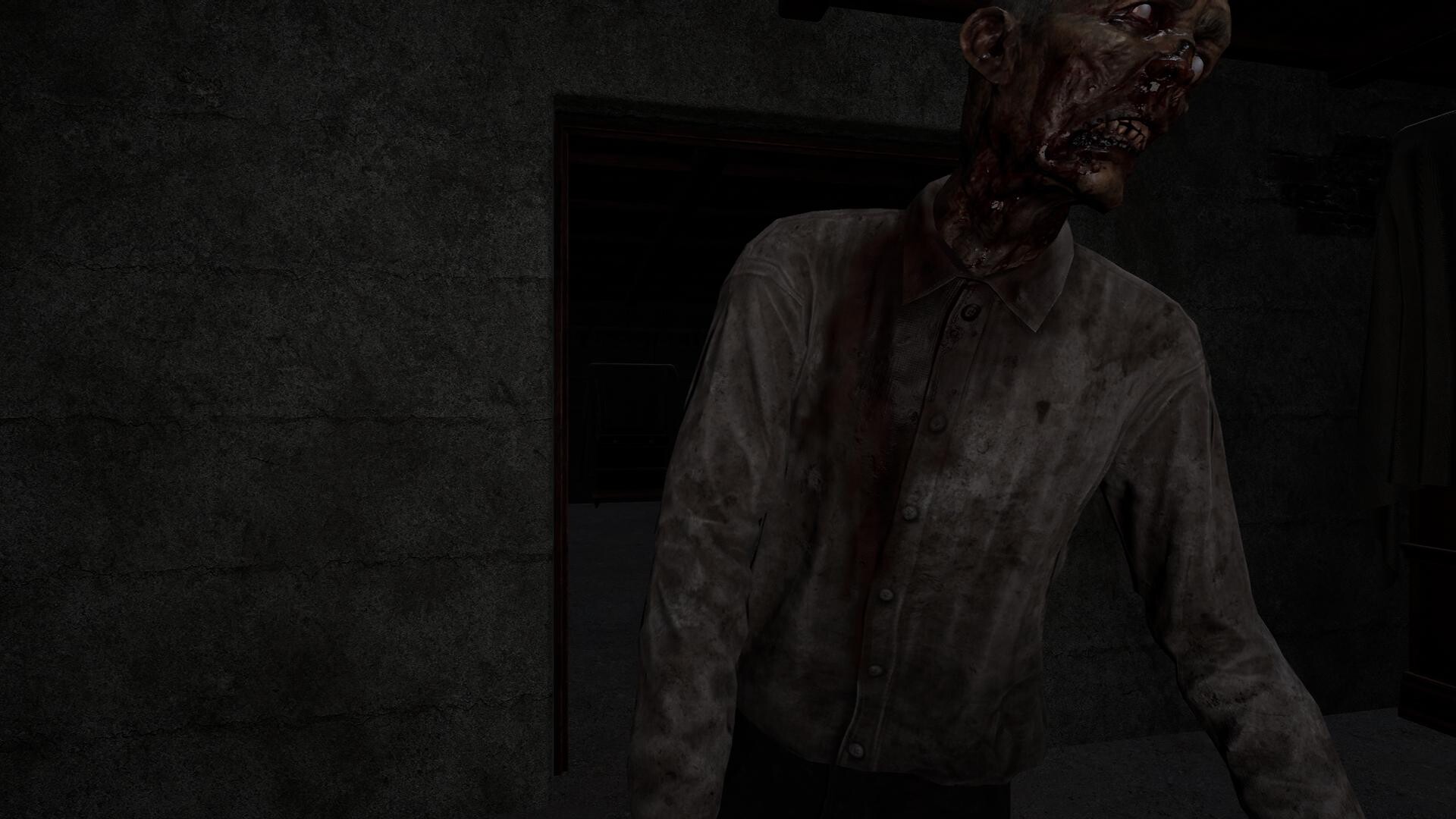
Psychological horror built on uncertainty rewards patience: slow reveals let the player supply their own dread, and environmental clues make discovery feel earned. The mansion-as-evidence approach—furnished rooms without identities, locked safes yielding fragments—means fear grows from questions, not from repeated jump scares. For many players the payoff of a subtle, mood-driven reveal is longer-lasting than the adrenaline spike of a shock; it reframes fear as cognitive unease more than physical startle.
How you progress — reading clues and pacing
The official description frames progression as restoration and investigation: restore power, bring systems back online, unlock hidden compartments, and decrypt documents to extend the trail. Expect a clue-driven loop where each puzzle or recovered file reframes prior assumptions and opens new areas. The categories “Playable without Timed Input” and subtitle options suggest a considered pacing where you can take time to read and absorb details without pressure.
Specific player scenarios
- Slow-burn explorers: You like moving deliberately through spaces, reading every document and letting small details accumulate into a bigger pattern. Trace of the Villa’s environmental storytelling and restored systems will feel satisfying.
- Puzzle-first investigators: If you enjoy narrative puzzle design that gates story beats behind decoding and unlocking, this game’s safes, encrypted documents and hidden compartments align with that appetite.
- Horror action players: If you prefer fast-paced survival combat or constant threats, this title’s emphasis on mood and investigation may feel too restrained.
- Accessibility-minded players: The presence of subtitle options, custom volume controls and “playable without timed input” means the game is built with slower, more contemplative playstyles in mind.
How Trace of the Villa stacks up
Below is a concise editorial comparison with nearby titles, focused on atmosphere, puzzle focus and pacing rather than sales or review counts.
| Game | Genre / Tone | Puzzle focus | Exploration style | Pacing / Player fit |
|---|---|---|---|---|
| Amnesia: The Dark Descent | First-person survival horror; immersive dread | Environmental puzzles tied to survival and stealth | Claustrophobic, atmospheric corridors and rooms | Slow-burn immersion with intense helpless moments; for players who want dread + vulnerability |
| SOMA | Sci-fi horror with existential themes | Puzzle and exploration blended with narrative reveals | Structured facility spaces, story-forward navigation | Deliberate pacing that foregrounds ideas and mood over constant scares |
| Layers of Fear (2016) | Psychological horror; shifting mansion | Environment and narrative puzzles supporting a descent into madness | Surreal, shifting rooms that reshape exploration | Atmosphere-first, story-driven; for players who like aesthetic and psychological unease |
| Poppy Playtime | Horror-puzzle adventure with toy-factory setting | Gadget-based puzzles (e.g., GrabPack) and platforming elements | More directed set pieces and active puzzle solving | Faster, more gameplay-forward; suits players who want tangible tools and tension mixed with action |
Editorial note: these comparisons speak to design emphasis and player expectation—Trace of the Villa aligns more with atmosphere-led, clue-driven investigations than with gadget-heavy or combat-driven horror.
Where to see trailers and more
You can search for trailers and gameplay footage using this YouTube discovery path (useful for finding clips and impressions; not a claim of an official video): Trace of the Villa trailers and gameplay on YouTube.
View Trace of the Villa on Steam
Disclaimer: referenced titles and trademarks belong to their respective owners. Comparisons are editorial discovery only and not claims of endorsement.
Leave a Reply