
Trace of the Villa — a locked-mansion mystery built around power, access, and evidence
Trace of the Villa tasks you as Jin, a sibling-driven investigator whose search for a missing sister leads to a remote, decaying mansion where restoring power literally rewrites the map of discovery. Its gameplay loop hinges on unlocking rooms, bringing systems back online, and reconstructing financial and identity fragments to connect clue chains across an erased estate.

Who, what, when, where, why, and how
Who is this for?
Players who enjoy atmospheric mystery adventure with locked-room thinking: people who prefer methodical clue-driven exploration and narrative puzzle design over twitch action. If you like reading the environment for narrative beats, piecing together timelines, and following chains of evidence, this is aimed at your taste.
What the game is
Trace of the Villa (Steam appid 3483660) is presented as an action-adventure indie on PC where Jin investigates a rural, deliberately abandoned mansion. The estate feels “erased”: furnished rooms with missing names or photographs, locked doors, and secured systems that only reveal their secrets once you restore power. The narrative emphasis is on reconstruction — encrypted documents, suspicious transfer records, falsified identities — rather than combat as the primary driver of progression.
When and where
Trace of the Villa released on 28 May, 2026 and is available on Steam. It’s a single-player experience with accessibility and presentation options listed on the Steam page.
Why the theme matters
Thematically the game trades jump scares for forensic atmosphere: bringing electricity back to the estate is not just a mechanical gate-opening, it’s the storytelling device that converts the house from a static tableau into a dynamic record-keeper. Systems reboot, safes yield fragments, and the mansion’s logistics — arrivals without records, departures without witnesses — become the evidence that drives the investigation. That framing favors players who enjoy slow-burn suspense and environmental storytelling where every visible detail can be a clue.
How you read clues and progress
Progression in Trace of the Villa is a three-part loop: restore power to unlock systems, search newly accessible spaces, and piece together documents and manifests to close gaps in the timeline. Restoring power can re-enable security panels, unlock hidden compartments, and allow safes or devices to decrypt fragments. Those fragments then form clue chains — for example, a transfer record suggests a name, that name points to a physical locker or room, and what you find there supplies the next system or key needed to proceed. The design encourages careful environmental reading and cross-referencing rather than brute-forcing puzzles.
Compact facts — Trace of the Villa
| Title | Trace of the Villa |
|---|---|
| Steam AppID | 3483660 |
| Release date | 28 May, 2026 |
| Developer | Steadyturtle Co., Ltd. |
| Publisher | Steadyturtle Co., Ltd. |
| Genres | Action, Adventure, Indie |
| Key categories | Single-player; Color Alternatives; Custom Volume Controls; Playable without Timed Input; Subtitle Options; Family Sharing |
Visual context — screenshots

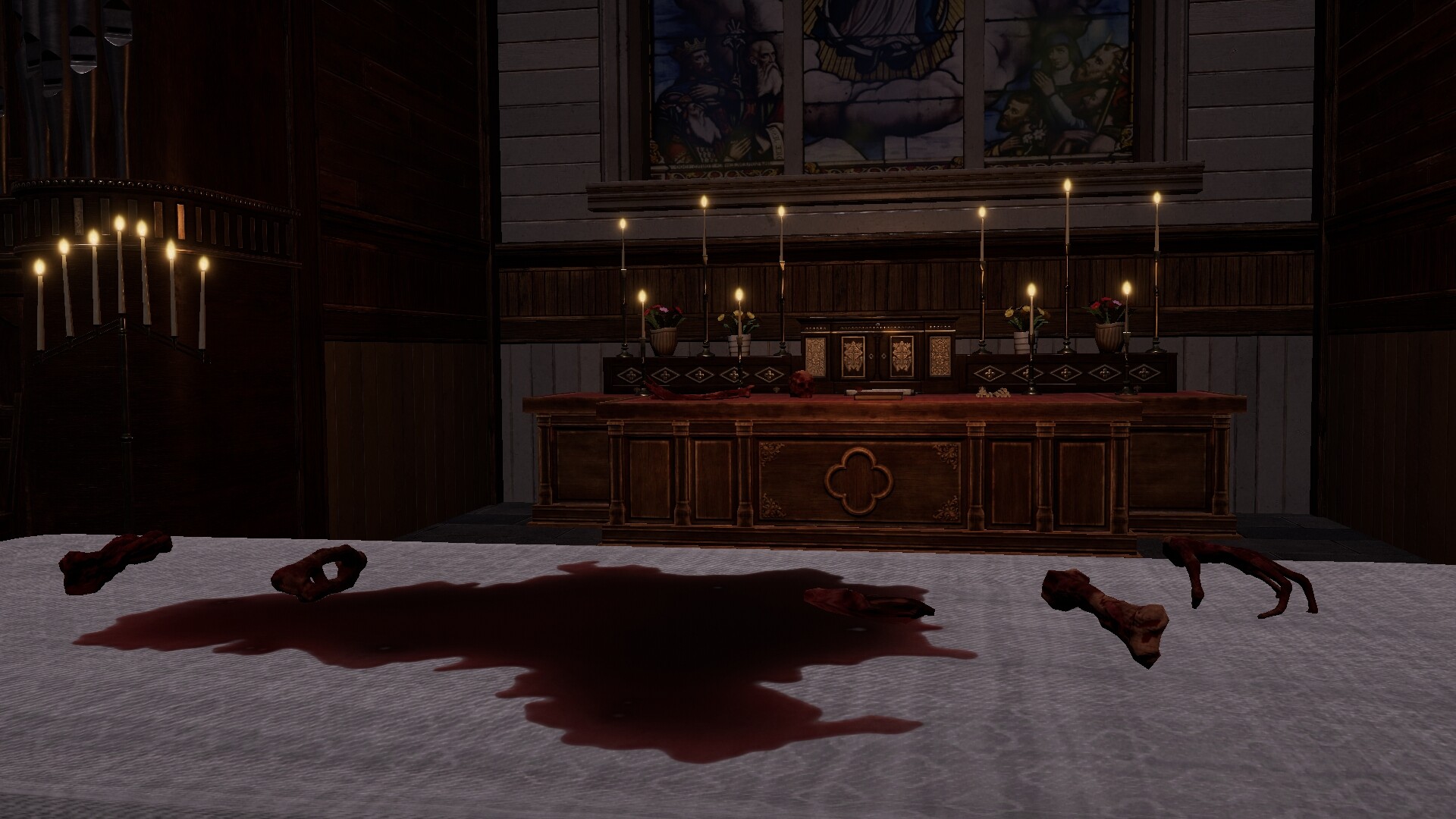
Player scenarios — who should wishlist it
- The methodical detective: You like cross-referencing paper trails and physical clues. You’ll enjoy reconstructing timelines from manifests and transfer records that only make sense after more of the house comes online.
- The atmospheric explorer: You prefer slow-burn tension and dense environmental storytelling. If discovering why a place looks “erased” matters more than combat, this is targeted to you.
- The puzzle walker: You enjoy chained locks where one solved system opens another. The reward is narrative context — decrypting a document yields an identity or location that informs the next step.
- The accessibility-conscious player: Steam categories list subtitle options, custom volume controls, color alternatives, and the option to play without timed input — useful if you want a less reflex-driven mystery.
How Trace of the Villa compares (editorial)
Below is a compact editorial comparison using lawful discovery criteria: genre, atmosphere, puzzle focus, exploration style, story tone, and pacing.
| Title | Genre / Focus | Puzzle style | Exploration | Pacing / Tone | Best for |
|---|---|---|---|---|---|
| Trace of the Villa | Action / Adventure; Indie. Mansion mystery centered on reclaiming systems. | Clue chains that depend on restoring power and unlocking systems. | Slow, environmental; rooms become interactive as systems come online. | Slow-burn suspense with forensic emphasis. | Players who want narrative puzzles and detective-style reconstruction. |
| The Room (series) | Adventure / Indie | Mechanical, single-object puzzles (safe-and-device focused). | Isolated, focused rooms or chambers. | Intimate, tactile puzzle tension. | Players who enjoy intricate mechanical puzzleboxes and focused tactile puzzles. |
| Escape Simulator | Adventure / Simulation / Indie | Highly interactive physics puzzles; object manipulation. | Room-by-room escape scenarios; strong co-op support. | Variable pacing depending on room; sandbox interaction. | Players who like interactive escape rooms and cooperative play. |
Practical considerations
Trace of the Villa emphasizes environmental reading and a layered investigation loop. Expect progression to feel investigative rather than action-centric — restoring power is both a mechanical key and a storytelling trigger. The Steam page lists single-player and several accessibility and presentation options that help tailor the experience.
YouTube discovery
For trailers and gameplay footage, search on YouTube using this discovery path (useful for trailers and community videos): YouTube: Trace of the Villa trailer & gameplay. This is a search guide and not a claim that a specific video is official.
View Trace of the Villa on Steam
Referenced titles and trademarks belong to their respective owners; comparisons above are editorial discovery only and not endorsements.
Leave a Reply