
Trace of the Villa — an escape-room style mansion mystery built around power, locks, and evidence
Trace of the Villa casts you as Jin, a lone investigator following a cold trail to a remote, decaying mansion where restoring power literally rewrites the playable space: lights, secured systems and hidden compartments reawaken as you progress. Released 28 May, 2026 by Steadyturtle Co., Ltd., the game favors slow-burn, clue-driven exploration that asks players to read environments, reconnect systems, and reconstruct a scattered timeline of identity and movement.

Quick facts
| Title | Trace of the Villa |
|---|---|
| Developer / Publisher | Steadyturtle Co., Ltd. |
| Release date | 28 May, 2026 |
| Genres | Action, Adventure, Indie |
| Steam categories | Single-player; Color Alternatives; Custom Volume Controls; Playable without Timed Input; Subtitle Options; Family Sharing |
| Where to find it | Steam store page — Trace of the Villa |
Who this is for
Trace of the Villa is aimed at single-player PC mystery fans who prefer environmental storytelling and methodical clue-chaining over twitch reflexes. If you enjoy locked-room thinking where each restored circuit or opened safe expands the playable world and supplies new pieces of a larger narrative puzzle, this is targeted to that appetite. The Steam listing also flags accessibility touches (color alternatives, subtitle options, custom volume controls) that help players who want a measured, readable investigation experience.
What the game actually is
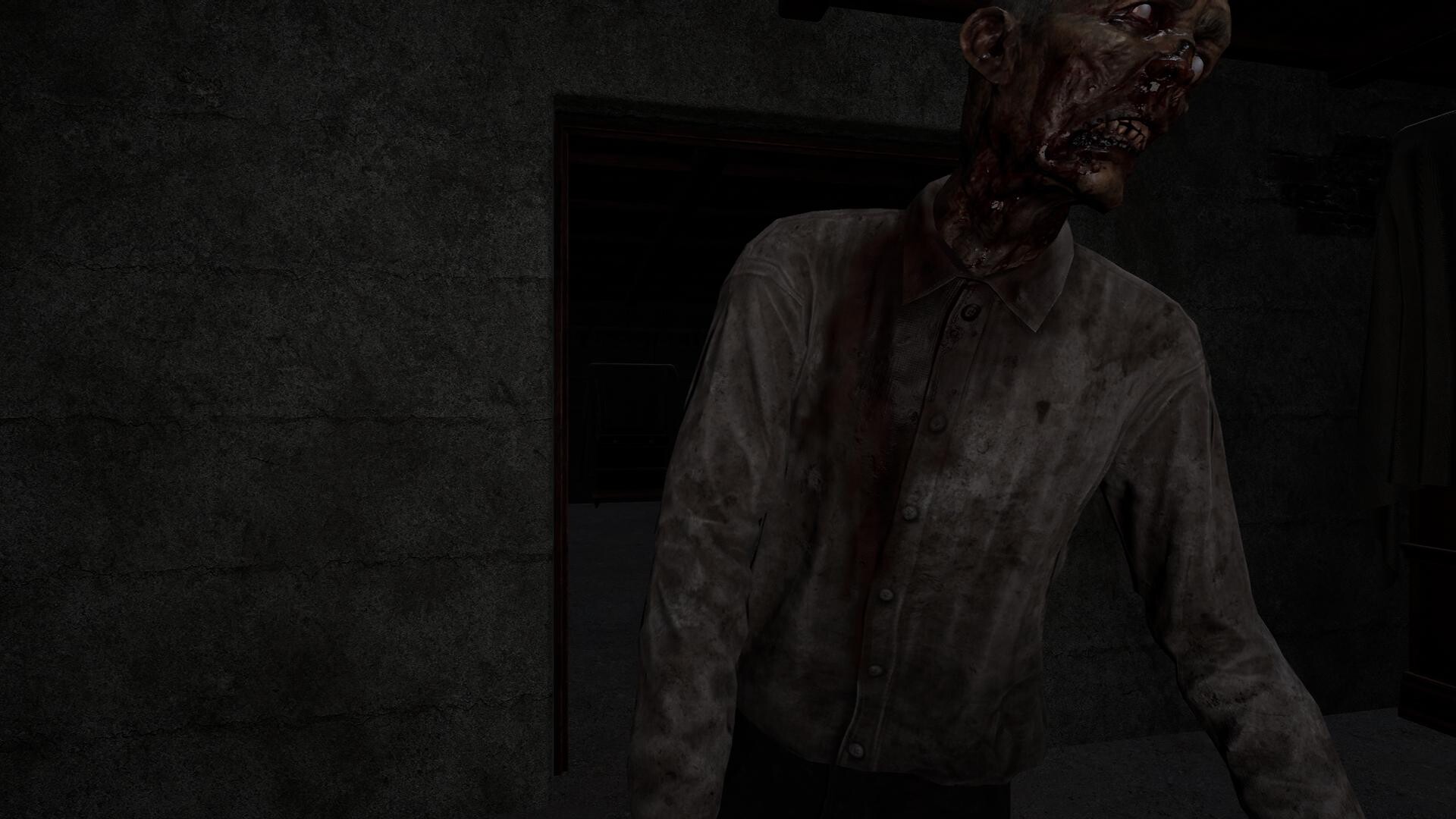
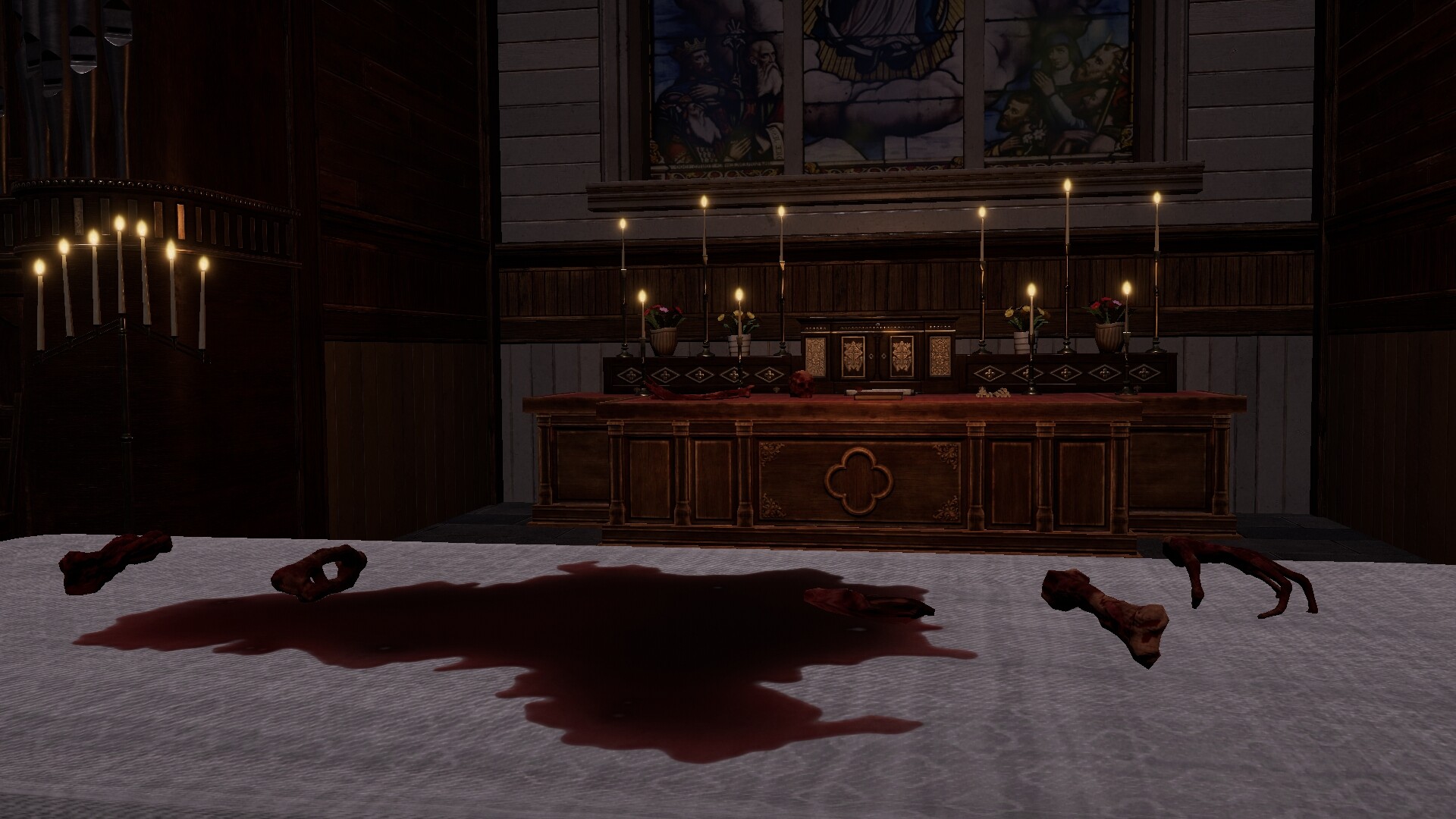
The official premise centers on Jin, who has spent years searching for his missing sister and follows a lead to a deliberately forgotten mansion. The estate is cut off from the grid and feels “erased”: rooms left mid-routine, personal belongings without clear identity markers, and locked doors concealing secured secrets. When Jin restores power to the estate, secured systems come back online, hidden compartments unlock, and safes yield fragments of encrypted documents and suspicious transfer records. Those discoveries build into a trail of falsified identities, financial transfers that lead nowhere, and movements masked behind fals.
When and where — Steam context
Trace of the Villa launched on Steam on 28 May, 2026. The Steam store page lists the game as Action / Adventure / Indie and provides the standard single-player and accessibility category flags indicated above. The Steam store is the primary storefront referenced on the listing.
How progression and puzzle loops are structured
The game’s concrete progression hook is restoration and reveal. Rather than unlocking new rooms through arbitrary gating alone, Trace of the Villa ties discovery to systems: restoring power brings secured systems back online, which in turn opens new investigative avenues. Specific elements called out in the Steam description include hidden compartments unlocking and safes revealing fragments of encrypted documents and suspicious transfer records. Those recovered pieces function as connective tissue — you assemble fragments of documents, decode financial trails, and use environmental context to reconstruct arrival and departure timelines.
That loop supports several design habits valuable to players who enjoy escape-room thinking:
- Locked-room thinking: interpret sealed spaces and the mechanisms that keep them sealed, then re-enable or bypass those systems to reveal more evidence.
- Clue chains: a recovered manifest or transfer record is rarely an endpoint; it’s a node that points to another physical location, system, or locked container.
- Environmental reading: rooms “erased” of obvious identity require careful attention to objects, placement, and the state of devices when power returns.
Player scenarios — who should wishlist this
- Investigator-first players: you like reconciling documents, logs, and physical cues into a coherent timeline. The play loop of restoring systems to extract encrypted fragments is designed for you.
- Atmosphere seekers: if slow-burn, mansion-mystery tone and environmental storytelling matter more than nonstop combat, this aligns with that preference.
- Locked-room puzzle fans: players who enjoy the mental gymnastics of opening a sealed space, then using what’s inside to open the next space will find a familiar cadence here.
- Accessibility-conscious players: Steam categories include subtitle options, color alternatives and custom volume controls, which helps players who rely on those features.
How it differs from nearby mystery/puzzle games
Trace of the Villa emphasizes system restoration as a core mechanic: powering the estate is both a narrative catalyst and a puzzle device. That differs from some classic tactile lockbox puzzles where an item alone opens the next door; here, the environment itself changes state (power on → systems active → hidden compartments revealed). Where games like Escape Simulator foreground interactive objects, physics, and modular room design (and community-made rooms), Trace of the Villa frames interaction around uncovering institutional cover-ups and reconstructing identity through documents and encrypted fragments.
Comparison table
| Title | Core puzzle / exploration emphasis | Tone & pacing | Player fit |
|---|---|---|---|
| The Room | Single-location mechanical puzzles and safe-style lock puzzles | Mysterious, focused, puzzle-first; contained pacing | Players who like tactile, object-centric puzzles with a tight scope |
| The Room Two | Expanded mechanical and environmental puzzles across multiple interconnected spaces | Atmospheric and deliberate; gradual reveal of secrets | Solvers who appreciate layered mechanical puzzles and slow reveals |
| Escape Simulator | Highly interactive escape-room mechanics, physics, and community rooms | Variable pacing depending on room — often puzzle-focused and playful | Players wanting hands-on item interaction and modular room designs (including co-op) |
| Hi‑Fi RUSH | Action and rhythm-based combat and traversal (less puzzle-focused) | High-energy, fast-paced | Players who want action and musical sync rather than environmental puzzle investigation |
YouTube discovery
If you want to preview footage or trailers, search for Trace of the Villa on YouTube: YouTube
Leave a Reply