
Trace of the Villa — an escape-room style mystery where power, places, and paper unlock the story
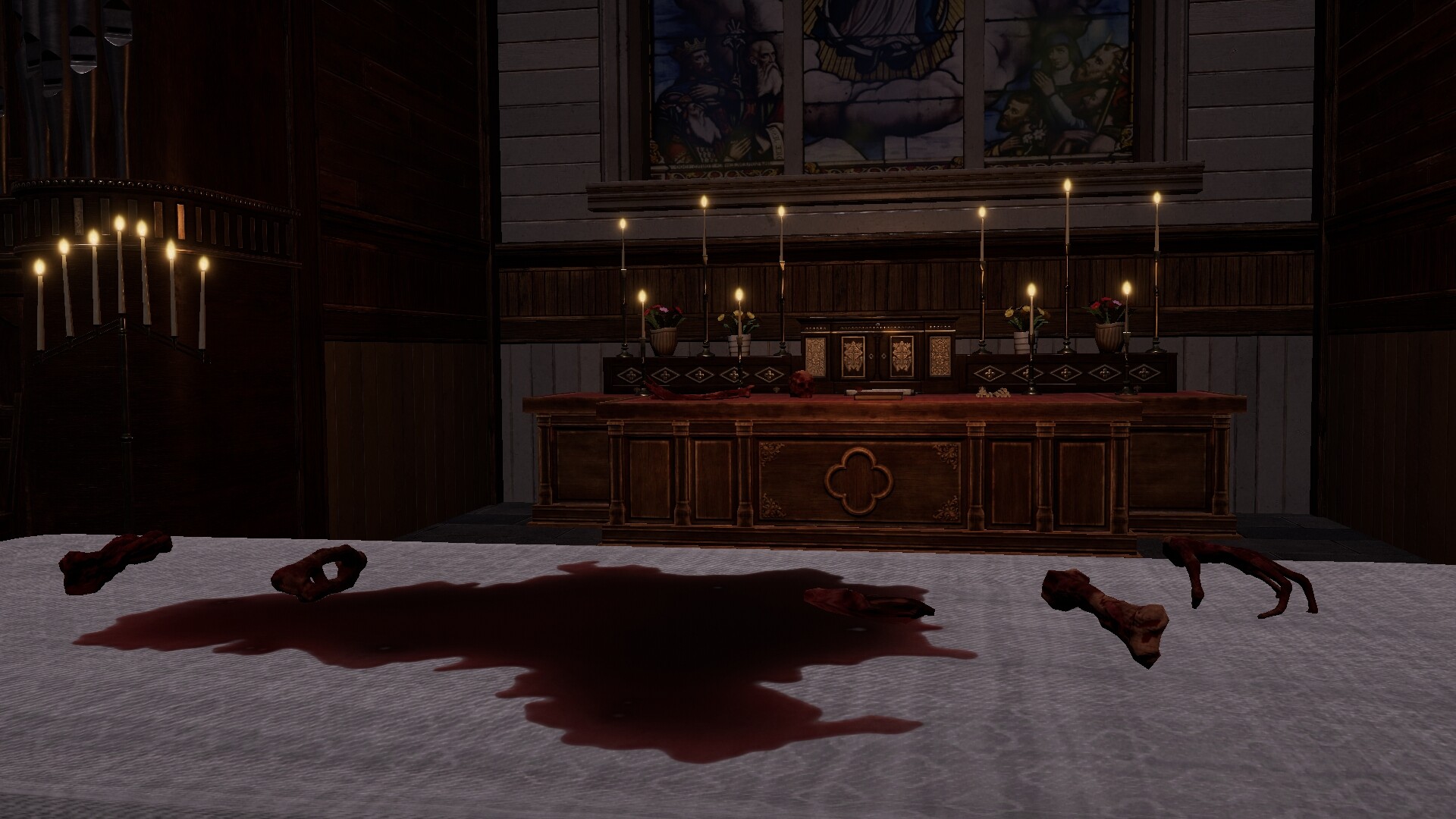
Trace of the Villa puts you in Jin’s shoes as he follows years of cold leads into a remote, decaying mansion — a place cut off from the grid that slowly yields secrets when systems come back online. The game builds a methodical, clue-driven loop around restoring power, unlocking sealed spaces, and reconstructing fractured evidence to piece together who passed through and what was erased.

Who, What, When, Where, Why, How
Who is this for?
Players who prefer atmospheric mystery adventure and slow-burn suspense over twitch reflexes: people who enjoy environmental storytelling, chained puzzles that reward careful note-taking, and single-player narrative investigations. The Steam listing also shows accessibility-friendly options (Color Alternatives, Custom Volume Controls, Playable without Timed Input, Subtitle Options) that suit methodical players and those who value configurability.
What is the game?
Trace of the Villa is an Action/Adventure Indie on Steam developed and published by Steadyturtle Co., Ltd. You play as Jin, whose search for a missing sister leads him to a property “deliberately forgotten” where rooms look as if people vanished mid-routine. The mansion functions like a layered case file — puzzles, safes, encrypted documents, and falsified records are all part of the mystery you must unravel.
When and where is it available?
Trace of the Villa released on Steam on 28 May, 2026. It’s presented as a Steam/PC title with single-player focus and the store features listed in the app data.
Why this theme matters
The game’s core conceit — a property cut off from the grid where identities and records have been scrubbed — turns the mansion itself into an unreliable witness. Restoring power is not just a mechanical step; it’s a storytelling pivot that toggles the environment between “erased” and “revealing.” That makes every circuit, locked door, and recovered manifest feel like a small victory in reconstructing human traces.
How you read the house and progress
The official description outlines a clear, repeating gameplay rhythm:
- Restore power to sections of the estate — when systems come online, secured devices and compartments react.
- Access previously sealed areas and devices — locked doors and safes begin to yield encrypted fragments and manifests.
- Collect and connect fragments — financial trails, falsified identities, and transfer records form clue chains you must interpret.
- Reconstruct timelines and motives — each unlocked item reframes who arrived, who left, and who was concealed.
That loop — power → access → evidence → inference — is the framing device. Expect puzzle solutions to cascade open further investigation rather than delivering isolated one-off riddles.
Quick facts
| Title | Trace of the Villa |
|---|---|
| Steam appid | 3483660 |
| Release date | 28 May, 2026 |
| Developer | Steadyturtle Co., Ltd. |
| Publisher | Steadyturtle Co., Ltd. |
| Genres | Action, Adventure, Indie |
| Key Steam categories | Single-player; Color Alternatives; Custom Volume Controls; Playable without Timed Input; Subtitle Options; Family Sharing |
| Official premise (short) | Jin searches for his missing sister in a remote, decaying mansion where recovered manifests and hints indicate she may still be alive. |

How it sits among escape-room and mystery titles
If you’re comparing Trace of the Villa to other puzzle-driven experiences, think in terms of puzzle architecture (chained investigation vs isolated boxes), atmosphere (psychological erasure vs mechanical curiosity), and pacing (slow revelation vs compact escape rooms).
| Title | Puzzle focus | Atmosphere / tone | Exploration / pacing | Best for players who… |
|---|---|---|---|---|
| Trace of the Villa | Chained investigative puzzles tied to restoring systems and reading documents | Slow-burn, melancholic, and investigative — a mansion that was “erased” rather than simply abandoned | Methodical exploration with unlockable areas that change the environment | Prefer narrative-driven, clue-chain investigations and environmental storytelling |
| The Room | Mechanical, tactile puzzle boxes and safes | Mysterious and intimate, focused on a single locked space | Compact, tightly-focused puzzles with high tactile feedback | Enjoy intricate single-object puzzles and tactile problem solving |
| The Room Two | Expanded mechanical puzzles across linked scenes | Cryptic and atmospheric, with a sense of unfolding mystery | Layered scenes that gradually expand the puzzle scope | Like The Room but want broader environmental variety and narrative
Steam pageView Trace of the Villa on Steam YouTube discoveryFor trailer and gameplay discovery, use YouTube search rather than relying on unverified embeds: Find Trace of the Villa trailer and gameplay searches on YouTube. Reader decision checklistUse this checklist before deciding whether Trace of the Villa belongs on your Steam wishlist. The game is most relevant if you enjoy reading environmental evidence, following document trails, inspecting rooms for small inconsistencies, and letting a mystery unfold through objects rather than exposition. It is less about instant spectacle and more about the slow pressure of a place that seems to have been deliberately erased. SEO note for discovery-minded playersPlayers searching for atmospheric mystery adventure, clue-driven exploration, mansion mystery game, story-rich indie adventure, psychological investigation game, or narrative puzzle design are likely looking for the same core appeal: a PC game where the setting is not just a backdrop but the main source of evidence. Trace of the Villa fits that search intent because its official Steam premise centers on Jin, his missing sister, a remote mansion, restored systems, hidden compartments, safes, encrypted documents, and a trail of suspicious records. Final player-fit summaryWishlist Trace of the Villa if you want a slow investigation built around official Steam store elements: a 28 May, 2026 release from Steadyturtle Co., Ltd., a single-player PC/Steam mystery structure, official screenshots showing the mansion atmosphere, and a premise that uses the house itself as a puzzle box. The strongest fit is for players who prefer patience, observation, and narrative reconstruction over fast combat or loud horror beats. CommentsMore posts |
Leave a Reply