
Trace of the Villa — an escape-room style mystery built around power, locked rooms, and evidence chains
Trace of the Villa puts you in Jin’s shoes: years of searching for a missing sister lead to a remote, decaying mansion where recovered manifests and hints suggest she may still be alive. The game’s investigative loop centers on restoring the estate’s power to bring locked systems and hidden spaces back online, then reading environmental traces—encrypted documents, transfer records, and staged rooms—to reconstruct what happened.

Quick facts
| Title | Trace of the Villa |
|---|---|
| Steam AppID | 3483660 |
| Release date | 28 May, 2026 |
| Developer | Steadyturtle Co., Ltd. |
| Publisher | Steadyturtle Co., Ltd. |
| Genres | Action, Adventure, Indie |
| Notable Steam categories | Single-player; Color Alternatives; Custom Volume Controls; Playable without Timed Input; Subtitle Options; Family Sharing |
| Store link | Trace of the Villa on Steam |
Who this suits
Trace of the Villa targets players who favor atmospheric mystery adventure and clue-driven exploration over twitch reflexes. If you enjoy slow-burn suspense, environmental storytelling, and methodical puzzle work—piecing together timelines from documents, manifests and locked safes—this is aimed at your playstyle. The Steam listing lists Single-player and accessibility-friendly options like subtitle support and Playable without Timed Input, which reinforces its focus on careful observation rather than instant reaction.
What the game is (and what you actually do)
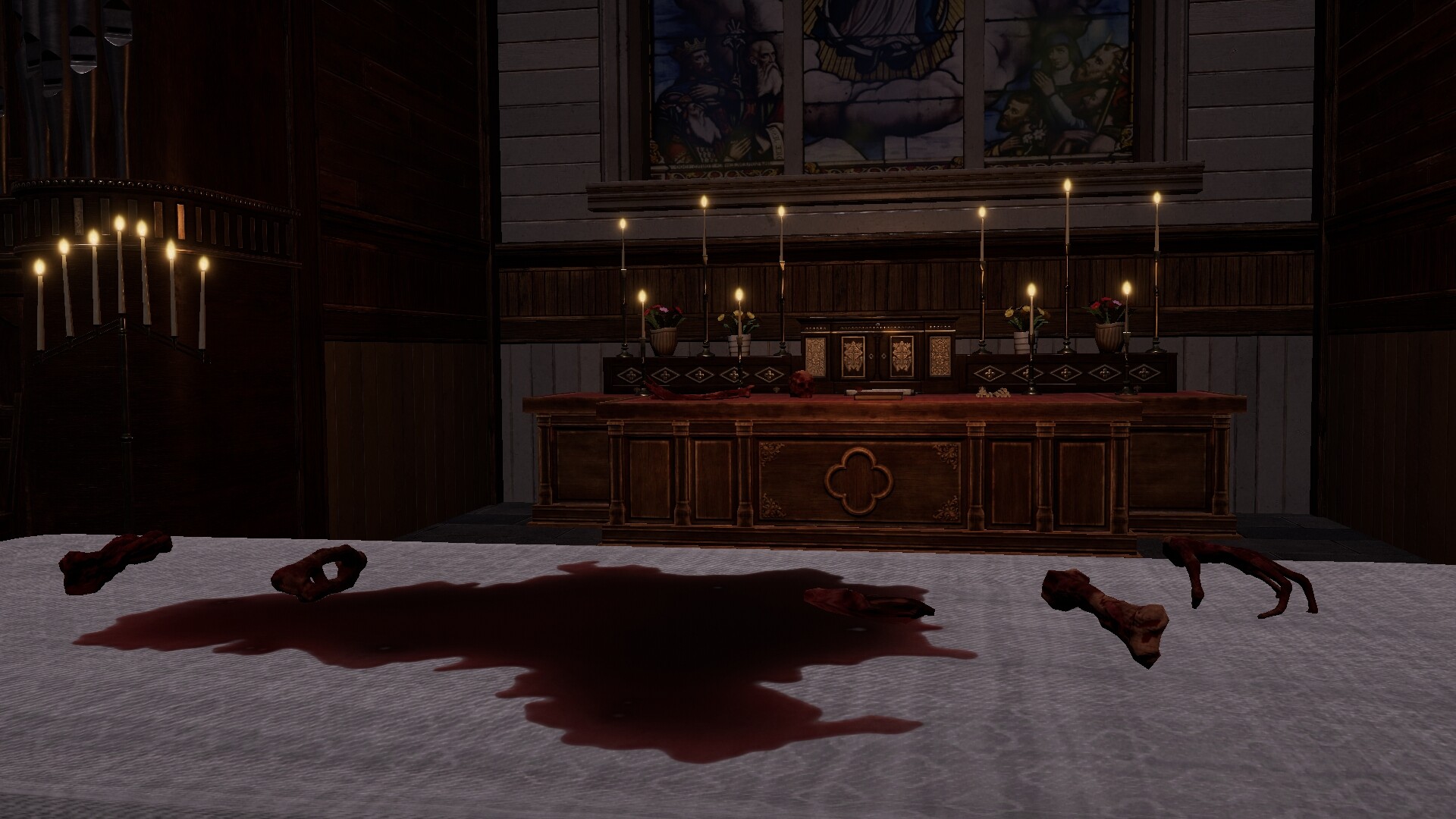
Officially, Jin’s investigation leads him to a mansion “cut off from the grid and deliberately forgotten.” Rooms look as if occupants vanished mid-routine; identities have been scrubbed. The gameplay pivot described on the Steam page is straightforward and evocative: when Jin restores power to the estate, secured systems come back online, hidden compartments unlock, and safes yield fragments of encrypted documents and suspicious transfer records. Each solved puzzle reveals another layer of a concealed operation, turning physical unlocking into narrative progress.

When and where
Trace of the Villa released on Steam on 28 May, 2026. It’s presented as a PC-oriented Steam indie (Action / Adventure / Indie) with single-player and accessibility categories noted on the store page.
Why the theme matters: restored power as a narrative device
Many mystery games give you static clues; Trace of the Villa makes revelation itself a mechanic. Restoring electricity is both literal and figurative: flipping breakers and restarting systems progressively opens new spaces and new documentary fragments. That design ties exploration directly to a forensic mindset—you don’t just find evidence, you trigger its reveal. In practice this favors players who enjoy reconstructing events from partial data and following chains of inference rather than relying on overt exposition.
How progression and clue chains work
- Start by stabilizing the environment: re-establishing power brings locked or monitored systems back online.
- Interact with newly powered devices—computers, security systems, or electrified locks—to access stored manifests and encrypted fragments.
- Use recovered documents and transfer records to link arrivals, departures, and falsified identities into a timeline.
- Each unlocked space yields further physical evidence (hidden compartments, safes) that expands the trail and opens new areas to examine.
This loop—power, unlock, read, reconstruct—drives both puzzle progression and narrative discovery. From the Steam description: “Secured systems come back online. Hidden compartments unlock. Safes yield fragments of encrypted documents and suspicious transfer records.” That explicit chain is the game’s editorially stated core loop.
Player scenarios — concrete examples of who gets the most from Trace of the Villa
- The methodical investigator: You spend time cataloguing every document and lining up transfer records to form a timeline. The fact-driven reveal of layers will reward patience.
- The atmospheric explorer: You prioritize reading the environment—furniture, staged rooms, the absence of photos—to infer what the mansion’s atmosphere suggests about its occupants and operations.
- The puzzle-first player who dislikes timed constraints: The store lists “Playable without Timed Input,” so you can take your time on clue chains and environmental puzzles without pressure.
- The narrative completionist: You want to reconstruct a person’s path from bureaucratic traces—manifests, transfer logs, and encrypted fragments—which are central to the game’s premise.
How it compares to nearby puzzle and mystery titles
Below is a concise editorial comparison focused on genre, atmosphere, puzzle focus, exploration style, story tone, and pacing—meant to help readers decide if Trace of the Villa fits their taste.
| Title | Genre/Tags | Puzzle focus | Atmosphere & story tone | Pacing / Player fit |
|---|---|---|---|---|
| Trace of the Villa | Action, Adventure, Indie; Single-player | Evidence chains, locked systems, environmental reading; power restoration as progression | Decaying mansion, erased identities, investigative and uneasy | Slow-burn, methodical; suited to players who like reading documents and reconstructing timelines |
| The Room | Adventure, Indie; Single-player | Mechanical puzzles, ornate safes and devices | Mysterious, tactile, focused on a single cursed object | Compact, puzzle-centric; ideal for players who like handcrafted mechanical puzzles |
| The Room Two | Adventure, Indie; Single-player | Layered physical puzzles and interconnected devices | Darker, broader cryptic settings with a sense of discovery | Moderate pacing; players who enjoy chained mechanical puzzles across interconnected scenes |
YouTube discoveryFor trailer and gameplay discovery, use YouTube search rather than relying on unverified embeds: Find Trace of the Villa trailer and gameplay searches on YouTube. CommentsMore posts |
Leave a Reply