
Trace of the Villa — an escape-room style mystery built around power, locked spaces, and evidence reconstruction
Trace of the Villa puts you in the shoes of Jin, a lone investigator drawn to a decaying mansion by fragments that suggest his missing sister may still be alive. The game’s central loop—restore power, open sealed areas, and piece together encrypted documents and transfer records—frames exploration as methodical deduction rather than fast action.

Quick facts
| Title | Trace of the Villa |
|---|---|
| Steam AppID | 3483660 |
| Release date | 28 May, 2026 |
| Developer | Steadyturtle Co., Ltd. |
| Publisher | Steadyturtle Co., Ltd. |
| Genres | Action, Adventure, Indie |
| Categories | Single-player; Color Alternatives; Custom Volume Controls; Playable without Timed Input; Subtitle Options; Family Sharing |
| Short premise | Jin has spent years searching for his missing sister; leads took him to a remote, decaying mansion where manifests and hints indicate she may still be alive. |
Who should wishlist this
If you prefer locked-room thinking and patient, clue-driven exploration rather than twitch reflexes, Trace of the Villa is aimed at you. The Steam categories list single-player features like subtitle options and “playable without timed input,” which signals a design that favors careful reading of environments and puzzles over strict speed challenges. Players who prioritize atmosphere, methodical forensic-style discovery, and a narrative that unfolds as you restore systems will find the core loop appealing.
What the game actually is
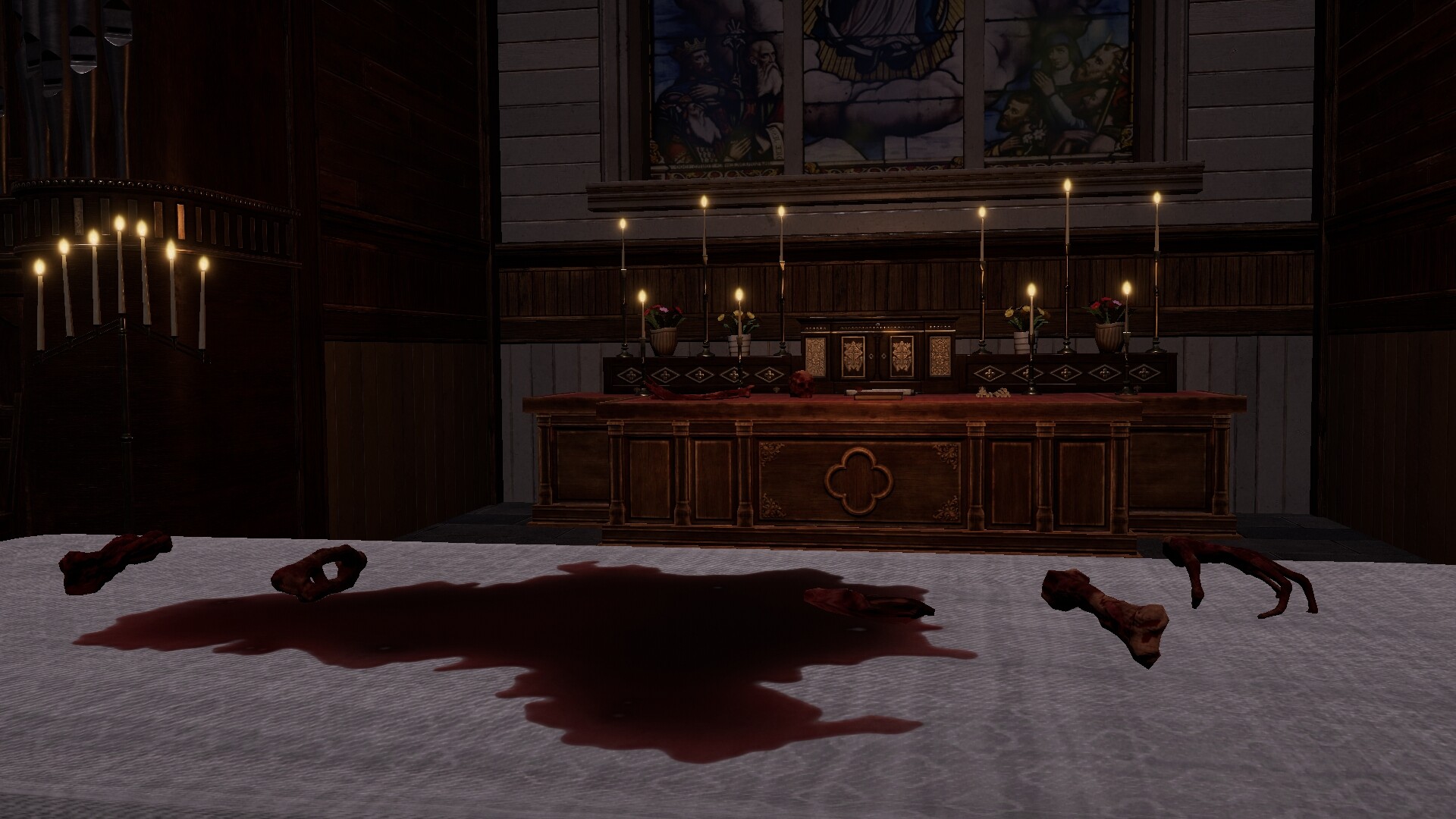
Officially described as an investigation centered on Jin’s search for his missing sister, Trace of the Villa places its mystery inside a property “cut off from the grid and deliberately forgotten.” The mansion’s rooms remain furnished as if occupants vanished mid-routine; locked doors and missing personal identifiers create a “vanished identity” aesthetic. Importantly, the description specifies a gameplay pivot: when Jin restores power, secured systems come back online, hidden compartments unlock, and safes yield fragments of encrypted documents and suspicious transfer records. That sequence—bring power back, watch the house reveal new nodes of evidence, then follow the next clue—is the structural heartbeat of the game’s design.
When and where
Trace of the Villa is available on Steam; the official release date is 28 May, 2026. If you want to see the store page or add it to your wishlist, use the Steam listing linked below.
Why the power-restore loop matters
Restoring power functions as both a literal and narrative mechanic. Practically, it unlocks systems and compartments that gate progress; narratively, it turns the mansion from a static tableau into an active repository of hidden operations—encrypted documents, falsified identities, and financial trails that hint at a larger scheme. That coupling of mechanical progression with evidence-gathering encourages a playstyle closer to a psychological investigation: you don’t just walk to the next room—you react to new access, re-evaluate previously inspected surfaces, and revise your timeline as new artifacts appear.
How you read clues and progress
The official description lays out concrete steps you’ll repeat: repair or restore power; observe which secured systems react; access newly available safes, compartments or consoles; and collect fragments—encrypted paperwork and transfer records—that must be connected into a timeline. This is a clue-chain loop rather than a single-room riddle: solving one enclosure often supplies partial data that points to a different sealed area or system. Expect environmental storytelling where the absence of names and photos becomes as much a clue as the documents you find.

Player scenarios — will this suit you?
Scenario A — You like slow-burn, atmospheric mysteries
You value environmental storytelling and gradual reveals. The power-restore loop and document fragments will reward methodical note-taking and timeline reconstruction over fast reflexes. The game’s “playable without timed input” category supports this preference.
Scenario B — You want puzzle chains that feed narrative
If you prefer puzzles that directly advance a story—each unlocked safe or terminal adds evidence—the described loop will feel purposeful. The presence of encrypted fragments and transfer records suggests puzzles have investigative payoffs.
Scenario C — You want immediate action or multiplayer co-op
Trace of the Villa is single-player by category and frames itself as a personal investigation; it’s not positioned as a multiplayer escape room or a high-octane action romp. Players seeking co-op puzzle chaos or fast-paced combat-driven missions may find it slower than expected.
How it compares to nearby mystery and puzzle titles
Below is a compact editorial comparison focused on genre, atmosphere, puzzle emphasis, exploration style, story tone, and pacing. These comparisons are editorial discovery—use them to judge your fit rather than as endorsements.
| Title | Genre(s) | Atmosphere / Focus | Puzzle & Exploration Emphasis | Pacing / Player fit |
|---|---|---|---|---|
| Trace of the Villa | Action, Adventure, Indie | Decaying mansion; erased identities; investigative unease | Clue chains unlocked by restoring power; safes and encrypted documents | Methodical, narrative-driven; single-player; no timed input required |
| The Room | Adventure, Indie | Mysterious attic and mechanical curiosities | Single-room, tactile mechanical puzzles centered on safes and cabinets | Focused, atmospheric puzzle box; ideal for players who like handcrafted riddles |
| The Room Two | Adventure, Indie | Forgotten crypts and long-forgotten halls | Multi-stage mechanical puzzles with a continuing narrative thread | Sequential puzzle progression; immersive and contemplative |
| Escape Simulator | Adventure, Casual
Steam pageView Trace of the Villa on Steam YouTube discoveryFor trailer and gameplay discovery, use YouTube search rather than relying on unverified embeds: Find Trace of the Villa trailer and gameplay searches on YouTube. CommentsMore posts |
Leave a Reply