Trace of the Villa — why a power-restoration gameplay loop makes its mansion mystery click
Trace of the Villa builds an escape-room style mystery around a simple, tactile loop: bring the lights back, watch doors and systems unlock, and use what the house reveals to reconstruct fragmented evidence. Jin’s hunt for his missing sister unfolds in a remote, decaying mansion where recovered manifests and hints suggest she might still be alive, and the game stages that investigation as environmental puzzle-work.

Who this is for
- Players who prefer slow-burn suspense and atmospheric mystery adventure rather than fast action.
- Fans of clue-driven exploration and environmental storytelling who like to reconstruct a timeline from scattered fragments.
- Investigative players who enjoy locked-room logic — restoring systems and unlocking spaces is the central puzzle cadence.
What the game is (short)
Trace of the Villa is an Action / Adventure / Indie title from Steadyturtle Co., Ltd., released on Steam on 28 May, 2026. You play as Jin, a searcher whose leads take him to an isolated mansion cut off from the grid. Inside, the house looks abandoned, but the furnishings and secured doors imply something was intentionally erased. When Jin restores power to the estate, secured systems come back online, hidden compartments open, and safes yield fragments of encrypted documents and suspicious transfer records — pieces that form chains of clues pointing to a larger, controlled operation.
When and where
Trace of the Villa released on Steam on 28 May, 2026. You can view the Steam store page and wishlist via the official Steam link below.

Why the theme matters: power as a narrative and mechanical device
Using power restoration as the primary loop does three things at once. Mechanically, it gates content in a way that encourages methodical backtracking and locked-room thinking: restoring a circuit can re-enable cameras, lights, or safes that reveal the next clue. Narratively, each re-energized system changes how the mansion reads as evidence — documents, manifests, and transfer records suddenly make sense in sequence. And thematically, the house’s deliberate erasure (no photographs, no names) turns environmental reading into a form of truth-seeking: a player reads the estate the way an investigator reads a crime scene.
How you read clues and progress
- Restore systems: Powering sections of the estate is the initiating action that unlocks puzzles and new spaces.
- Follow clue chains: Solved devices and opened safes deliver fragments (encrypted documents, manifests, suspicious transfers) that must be combined into a timeline.
- Environmental synthesis: The game rewards careful observation of set dressing and the absence of expected personal traces — the missing photos and erased names are themselves clues.
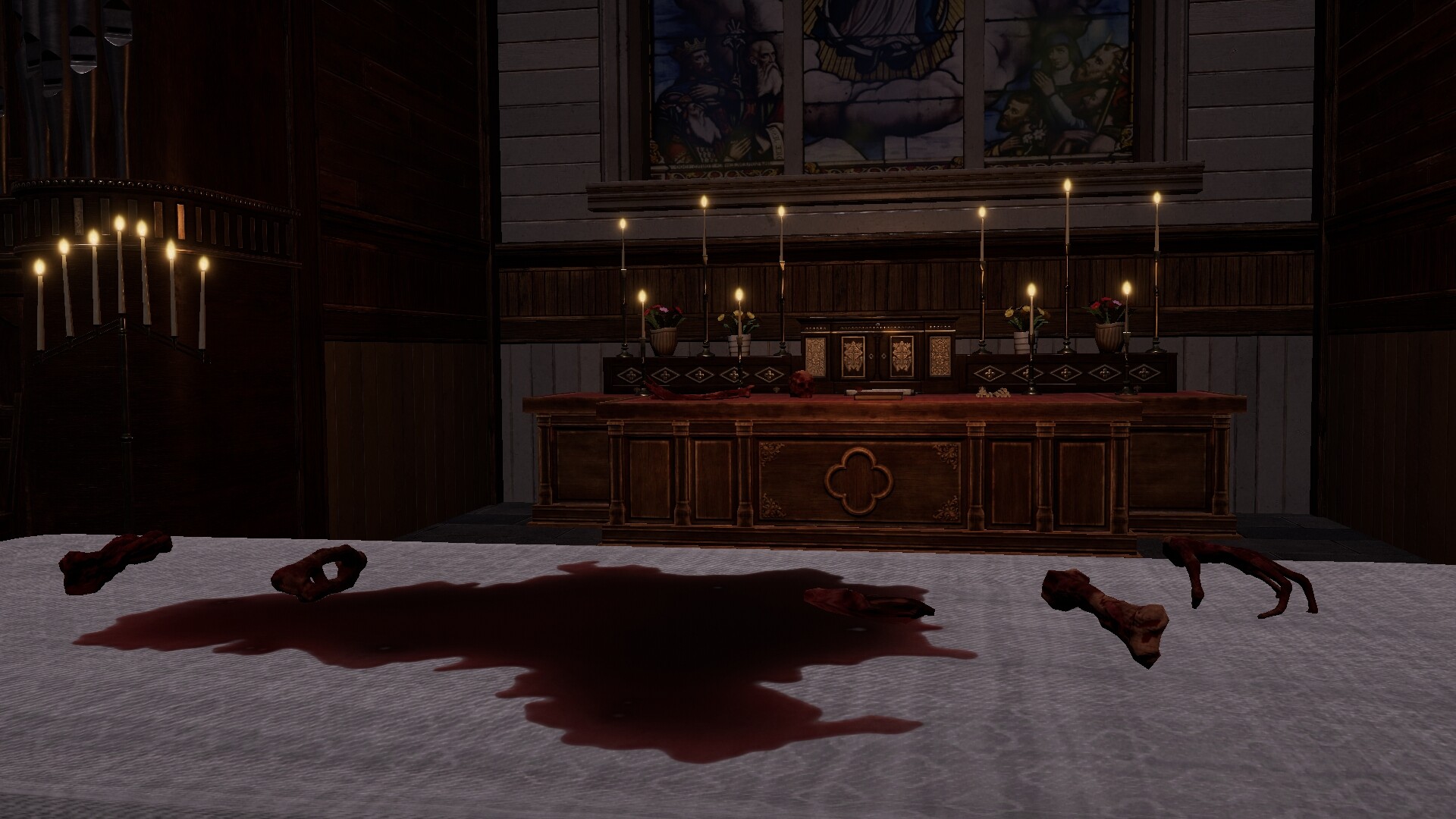
Concrete player scenarios
- The Methodical Investigator: You enjoy charting cause-and-effect. You’ll appreciate that restoring a fuse or booting a console produces specific, traceable evidence that slots into a timeline.
- The Environmental Reader: You notice absences as much as presences. The game’s “erased” aesthetic (furnished rooms without names or photos) is a narrative puzzle in itself.
- The Puzzle-First Solver: You prioritize mechanical solutions over story beats. The gated, locked-room structure allows chapter-like puzzle blocks where solving physical devices yields the next narrative fragment.
Compact facts — Trace of the Villa
| Title | Trace of the Villa |
|---|---|
| Developer | Steadyturtle Co., Ltd. |
| Publisher | Steadyturtle Co., Ltd. |
| Release date | 28 May, 2026 |
| Genres | Action, Adventure, Indie |
| Categories | Single-player; Color Alternatives; Custom Volume Controls; Playable without Timed Input; Subtitle Options; Family Sharing |
| Steam page | Open Trace of the Villa on Steam |
How it compares (quick editorial table)
Below is a compact, editorial comparison on lawful criteria — genre, atmosphere, puzzle focus, exploration style, and pacing. This is meant to help you decide whether Trace of the Villa fits your tastes relative to other mystery/puzzle experiences.
| Title | Genre | Atmosphere / Story Tone | Puzzle Focus & Exploration Style | Pacing / Player Fit |
|---|---|---|---|---|
| Trace of the Villa | Action / Adventure / Indie | Decaying mansion, erased identities, slow-burn suspense | Power-restoration gating, locked-room thinking, clue chains from documents and hidden compartments | Methodical, investigative players who like environmental storytelling |
| The Room | Adventure / Indie | Mysterious invitation; claustrophobic, occult-tinged puzzle cabinet | Mechanical puzzle boxes and tactile object manipulation | Players who enjoy focused, tactile puzzle solving in single-room scenarios |
| The Room Two | Adventure / Indie | Long-forgotten crypts and layered mystery | Sequential object puzzles with a narrative thread; similar emphasis on single-location investigation | Fans of atmospheric puzzle sequences and escalating reveal |
| Escape Simulator | Adventure / Casual / Indie | Highly interactive, sandbox escape rooms | Move, pick up, and examine many interactable objects;YouTube discoveryFor trailer and gameplay discovery, use YouTube search rather than relying on unverified embeds: Find Trace of the Villa trailer and gameplay searches on YouTube. CommentsMore posts |
Leave a Reply