
Trace of the Villa — an escape-room mystery built around power, access, and evidence
Steadyturtle’s Trace of the Villa drops players into a decaying mansion where Jin searches for his missing sister, and the play loop revolves around restoring power, unsealing spaces, and reconstructing a trail of documents and artifacts. It’s a slow-burn, clue-driven mystery that asks you to read environments the way a detective reads a crime scene: every restored circuit and unlocked safe reveals more questions than answers.

Quick facts
| Title | Trace of the Villa |
|---|---|
| Steam AppID | 3483660 |
| Developer / Publisher | Steadyturtle Co., Ltd. |
| Release date | 28 May, 2026 |
| Genres | Action, Adventure, Indie |
| Notable Steam categories | Single-player; Color Alternatives; Custom Volume Controls; Playable without Timed Input; Subtitle Options; Family Sharing |
Who should wishlist this
If you prefer atmospheric mystery adventure with an investigative core rather than twitch-heavy action, Trace of the Villa targets you: players who enjoy locked-room thinking, careful clue-chaining, and environmental storytelling. The setup—Jin following leads to a property “cut off from the grid”—makes the game suited to people who like piecing together narratives from documents, restored systems, and spatial clues rather than from explicit cutscenes.
What the game is
Official Steam materials frame the experience around a decaying mansion where Jin recovers manifests and hints suggesting his sister may still be alive. The mansion “feels less abandoned than erased”: rooms frozen in mid-routine, locked doors concealing secured secrets, and missing identifiers like photographs or names. According to the official description, when Jin restores power, secured systems come back online, hidden compartments unlock, and safes yield fragments of encrypted documents and suspicious transfer records. That chain—power, access, evidence—forms the core gameplay loop.
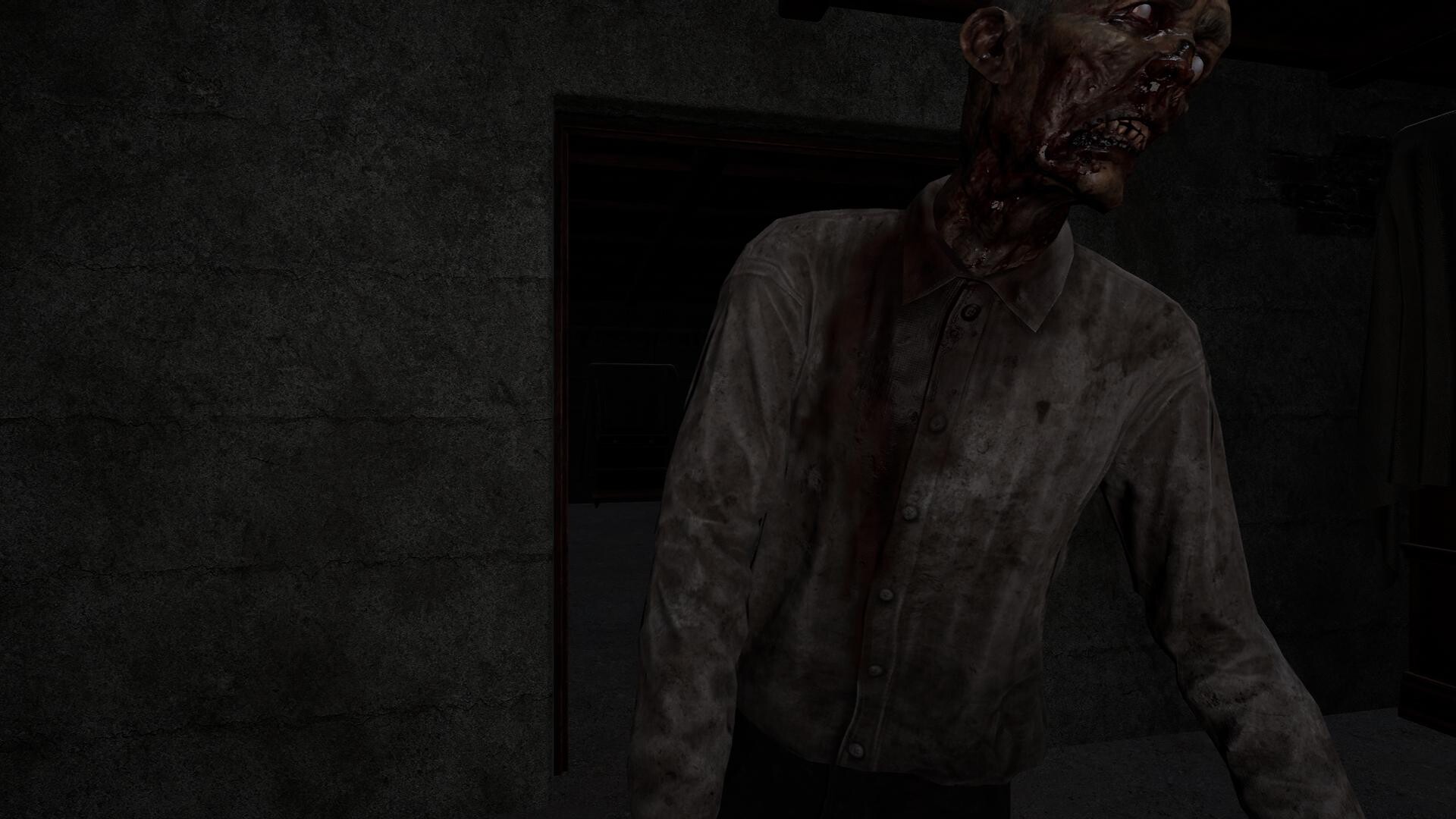
When and where to find it
Trace of the Villa is available on Steam; its release date is 28 May, 2026. For the Steam store page, see the link at the end of this article and the embedded widget.
Why the power-and-access loop matters
The restoration-of-power motif is a strong mechanical metaphor for uncovering truth. In Trace of the Villa that metaphor is literal: circuits, servers, and locks returning to life create new readables—logs, manifests, encrypted fragments—that form the next link in a clue chain. This design encourages methodical play: the mansion’s secrets aren’t handed to you; they are revealed incrementally as systems are re-enabled and spaces become accessible. That pacing supports slow-burn suspense and rewards environmental reading over brute-force puzzle-solving.
How you progress: reading rooms, reconstructing evidence
Progress flows through three interlocking actions described on Steam:
- Restore power and systems: flipping switches and bringing infrastructure online triggers new interactions and unlocks secured systems.
- Unlock spaces and containers: doors, hidden compartments, and safes yield physical artifacts once the right systems are active.
- Reconstruct a timeline from fragments: manifests, encrypted documents, and transfer records point to falsified identities and masked movements—each recovered item points toward the next location or system to reactivate.
That chain—reanimate, open, analyze—creates a detective-style rhythm rooted in environmental storytelling: object placement, the absence of familiar personal traces, and financial paperwork are all evidence types the player assembles to form a narrative hypothesis about what the mansion was used for.
Player scenarios
Scenario A — The methodical clue-lover
You enjoy slow, deliberate play sessions. You’ll take pleasure in cross-referencing manifests with environmental hints, backtracking to re-check a room after a newly recovered log comes online, and feeling the incremental satisfaction of reconstructing a timeline from partial data.
Scenario B — The atmospheric explorer
Your priority is mood and scene composition: faded wallpaper, furnished rooms frozen in time, and the creeping impression that identities were erased. The game’s emphasis on restoring systems to unlock new layers suits players who like their mystery stitched into place and revealed through interaction.
Scenario C — The narrative puzzle hybrid
If you want puzzles with a clear narrative payoff—safes and servers that spit out documents which change your understanding of events—Trace of the Villa’s central loop of power → access → evidence will feel purposeful and coherent.
How it compares to nearby puzzle/mystery experiences
Below is a concise editorial comparison focused on atmosphere, puzzle emphasis, exploration style, story tone, and pacing—useful context for deciding whether Trace of the Villa fits your tastes.
| Title | Genre / Atmosphere | Puzzle focus | Exploration / Pacing | Player fit |
|---|---|---|---|---|
| The Room | Adventure / intimate, mechanical mystery | Single-room mechanical puzzles, tactile object manipulation | Linear, self-contained puzzles; deliberate pace | Players who like tightly focused puzzle boxes and tactile interactions |
| The Room Two | Adventure / broader cryptic settings | Complex mechanical puzzles across linked spaces | Expands scale from single-room to chained locations while keeping deliberate timing | Those who appreciated The Room but want a longer, connective puzzle journey |
| Escape Simulator | Adventure / interactive, playful rooms | Highly interactive object puzzles; community rooms vary widely | Modular rooms, quick to replay; variable pacing per room | Players who like interactive object physics and co-op or community-made content |
| Hi-Fi RUSH | Action / upbeat, music-driven | Action and rhythm-based encounters rather than environmental puzzles | Fast-paced, arcade-style progression | Players seeking action, rhythm sync, and kinetic combat — not a close match for contemplative mystery |
Editorial note: these comparisons highlight differences in puzzle scale, interactivity, and pacing to help readers decide whether they prefer Trace of the Villa’s investigative, environment-first approach or other puzzle/action blends.
Visuals and accessibility
Steam lists accessibility-friendly categories such as “Playable without Timed Input,” “Subtitle Options,” and “Color Alternatives,” which signal an emphasis on readable pacing and options for players who need them. The game’s visual presentation centers on rooms that feel lived-in but emptied of identifiers, supporting investigative play.
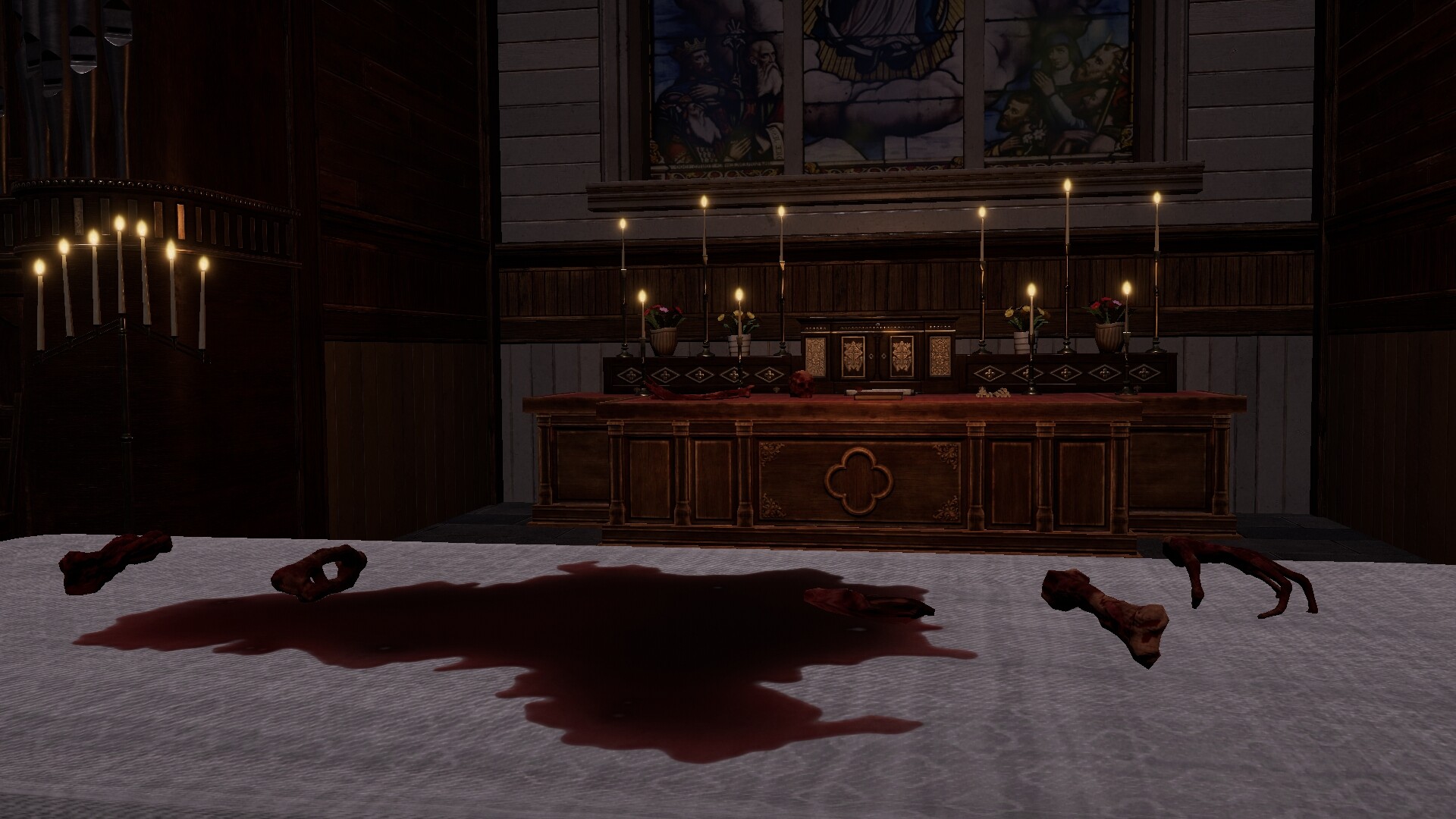
Trailer and video discovery
If you want to see trailers and gameplay clips, search YouTube using this query (note: use it as a discovery path; do not assume every result is an official video): Trace of the Villa trailer & gameplay (YouTube search).
Where to wishlist
View the Steam store page to wishlist or buy: Trace of the Villa on Steam
Final verdict — who will like it
Trace of the Villa is aimed at players who value environmental storytelling, slow-burn suspense, and detective-style puzzle chaining. If you enjoy reconstructing events from paperwork, restored systems, and room layouts—or you appreciate the methodical pleasure of unlocking layered secrets—this indie mystery belongs on your wishlist. If you want rapid action or physics-heavy object interaction, the game’s investigative pacing may feel slow.
Disclaimer
Referenced titles and trademarks belong to their respective owners. Comparisons in this article are editorial discovery only, using publicly available Steam app data and publisher descriptions.
Leave a Reply