
Trace of the Villa — a slow-burn mansion mystery where missing-person stakes pull the story forward
Jin has spent years searching for his missing sister; a lead brings him to a remote, decaying mansion where manifests and hints suggest she may still be alive, and the house itself holds much of the story. Trace of the Villa blends atmospheric mystery adventure with clue-driven exploration and environmental storytelling to ask not just what happened here, but why someone would erase identities in the first place.

Quick facts
| Title | Trace of the Villa |
|---|---|
| Steam App ID | 3483660 |
| Release date | 28 May, 2026 |
| Developer | Steadyturtle Co., Ltd. |
| Publisher | Steadyturtle Co., Ltd. |
| Genres | Action, Adventure, Indie |
| Categories (selected) | Single-player; Color Alternatives; Custom Volume Controls; Playable without Timed Input; Subtitle Options; Family Sharing |
Who should wishlist this
If you gravitate toward story-rich indie structure where character motivation anchors investigation, Trace of the Villa is targeted at players who want personal stakes to drive exploration. The premise centers on Jin’s search for his sister — that missing-person urgency turns otherwise methodical puzzle-solving into a psychological investigation, so players who prefer narrative weight to spectacle will find the tone rewarding.
What the game is (and what it does mechanically)
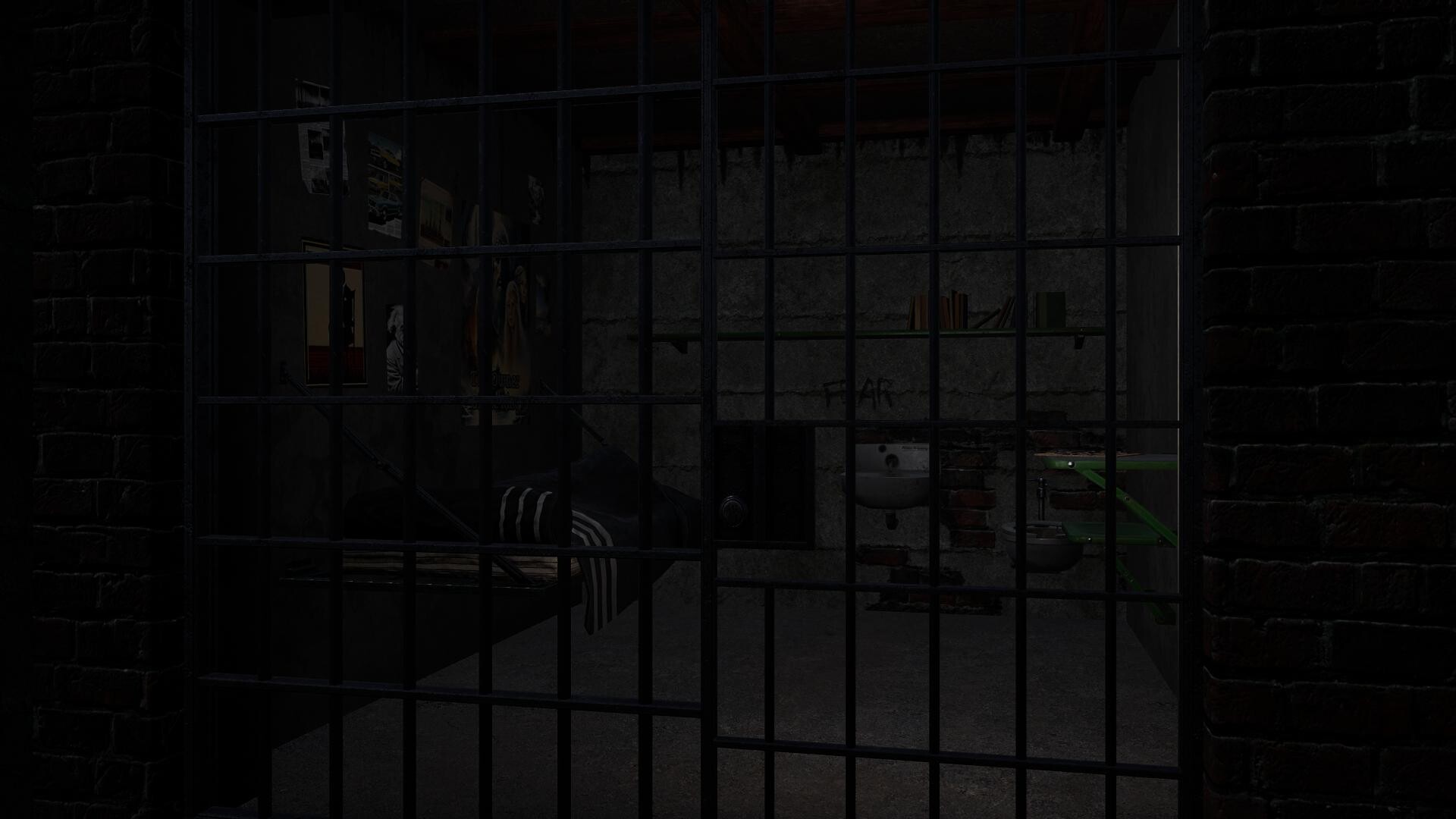
Steadyturtle’s official synopsis frames Trace of the Villa as a mystery set inside a deliberately forgotten estate. The mansion shows signs of recent occupancy but lacks names, photos, or normal records — an environment that communicates story through objects and sealed systems. Restoring power, unlocking hidden compartments, and decrypting documents are explicit progression beats mentioned on the Steam page: secured systems coming back online, safes yielding fragments of encrypted documents, and manifests that point the protagonist along a trail.

Expect a mix of exploration, puzzle interactions, and systems restoration that reveal documents and financial trails. The official description highlights falsified identities, suspicious transfers, and arrivals without records — elements that orient the player toward piecing together an organized operation rather than a simple haunting.
When and where — Steam details
Trace of the Villa is available on Steam with a release date of 28 May, 2026. The title lists Steadyturtle Co., Ltd. as both developer and publisher, and appears under Action / Adventure / Indie on its Steam store page. For readers who want to preview the store page directly, use the Steam link below.
Why the missing-person stakes matter here
Missing-person stakes shift how players interpret clues. When the goal is locating a specific person — or proving they were moved through a system of false identities — every diary, manifest, and transfer record matters emotionally and mechanically. The official Steam language about erased identities and controlled movements suggests the game favors careful reading of documents and systems-level deduction over jump scares or reflex tests. That intimate motivation turns mundane evidence into charged discoveries: a power panel reactivated, a sealed compartment opened, a ledger decrypted — each one pulls Jin closer to a human truth rather than simply unlocking a map marker.
How you progress: reading the house
The Steam description makes several process details explicit: restoring estate power brings secured systems back online, hidden compartments and safes become accessible, and fragments of encrypted documents and suspicious transfer records emerge. Mechanically, this implies a loop of exploration → local puzzle/interaction → information reward, where the information both advances the narrative and suggests new locations or leads to pursue. Players who enjoy narrative puzzle design and clue-driven exploration will want to pace themselves, cross-referencing manifests and encrypted fragments to build a timeline.
Player scenarios — who will enjoy Trace of the Villa
- The investigative slow-burn player: favors methodical evidence gathering and deriving motivation from documents and environment over combat intensity.
- The narrative-first adventurer: wants a protagonist with a clear personal stake (Jin and his missing sister) and enjoys story structure that reveals itself via household objects and secured systems.
- The puzzle-minded explorer: appreciates puzzles that tie directly into plot beats — restoring power, decrypting safes, and following financial trails rather than abstract riddles with no narrative payoff.
How Trace of the Villa compares to other story-driven mysteries
Below is an editorial comparison framed by genre, atmosphere, focus on puzzles, exploration style, and pacing. These comparisons are descriptive, not endorsements.
| Title | Genre / Tone | Puzzle focus | Exploration style | Pacing / Story tone |
|---|---|---|---|---|
| Trace of the Villa | Action / Adventure / Indie — atmospheric mansion mystery | Document-driven, systems restoration, encrypted safes | Room-by-room environmental storytelling; leads from manifests | Slow-burn, missing-person stakes; investigative |
| Inscryption | Adventure / Indie — card-based psychological horror | Puzzles embedded in card mechanics and meta layers | Constrained, card-table rooms; meta-unfolding discovery | Psychological, multilayered; blends escape-room puzzles with narrative twists |
| Outer Wilds | Action / Adventure — cosmic mystery | Environmental and observational puzzles tied to physics/time | Open-system solar system exploration | Curiosity-driven, exploratory; emergent discovery pacing |
| Journey | Adventure / Indie — contemplative exploration | Minimal puzzles; focus on traversal and atmosphere | Open, linear-but-exploratory landscapes | Quiet, emotionally resonant; deliberate pacing |
| The Forgotten City | Adventure / Indie / RPG — time-loop mystery | Logic puzzles tied to narrative consequences | Structured area exploration with dialogue/narrative branching | Story-heavy, rules-driven mystery; strategic pacing |
| The Medium | Adventure — psychological horror | Puzzles using dual-realm mechanics | Interleaved real and spirit-realm spaces | Psychological, reflective; dark tone and measured scares |
Screenshots
YouTube discovery
If you want trailer or gameplay videos, search YouTube for Trace of the Villa trailers and playthroughs: https://www.youtube.com/results?search_query=Trace+of+the+Villa+trailer+gameplay. This is a search path for discovery; individual videos should be judged on their uploader and whether they are official or community content.
Final take: who this will fit
Trace of the Villa will best satisfy players who prefer slow-burn suspense and clue-driven exploration anchored by a clear personal motive. If you like reading the world for its story — decrypted financial ledgers, manifests, and reactivated systems that reveal why a place was erased — this is a Steam indie built around that loop. If you expect fast-paced action or emergent open-world systems, the mansion’s room-scale, narrative-puzzle approach may feel deliberate rather than kinetic.
Leave a Reply