
Trace of the Villa: A slow-burn mansion mystery built from fragments
Jin has spent years searching for his missing sister; a sudden lead points to a remote, decaying mansion where manifests and hints suggest she might still be alive. Trace of the Villa, developed and published by Steadyturtle Co., Ltd., arrives on Steam on 28 May, 2026 as an action-adventure indie focused on environmental storytelling, investigative puzzles, and mounting emotional stakes.

Quick facts
| Title | Trace of the Villa |
|---|---|
| Release date | 28 May, 2026 |
| Developer / Publisher | Steadyturtle Co., Ltd. |
| Genres | Action, Adventure, Indie |
| Key Steam categories | Single-player; Color Alternatives; Custom Volume Controls; Playable without Timed Input; Subtitle Options; Family Sharing |
| Steam AppID | 3483660 |
| Store page | Visit Trace of the Villa on Steam |
Who should wishlist this
Wishlist Trace of the Villa if you seek story-rich adventure that leans on mystery and atmosphere rather than spectacle. The official premise centers on Jin’s personal hunt for a missing sister and a mansion that feels “less abandoned than erased,” which signals a slow-burn detective experience for players who prize narrative curiosity, document-driven clues, and mounting emotional stakes.
What the game actually is
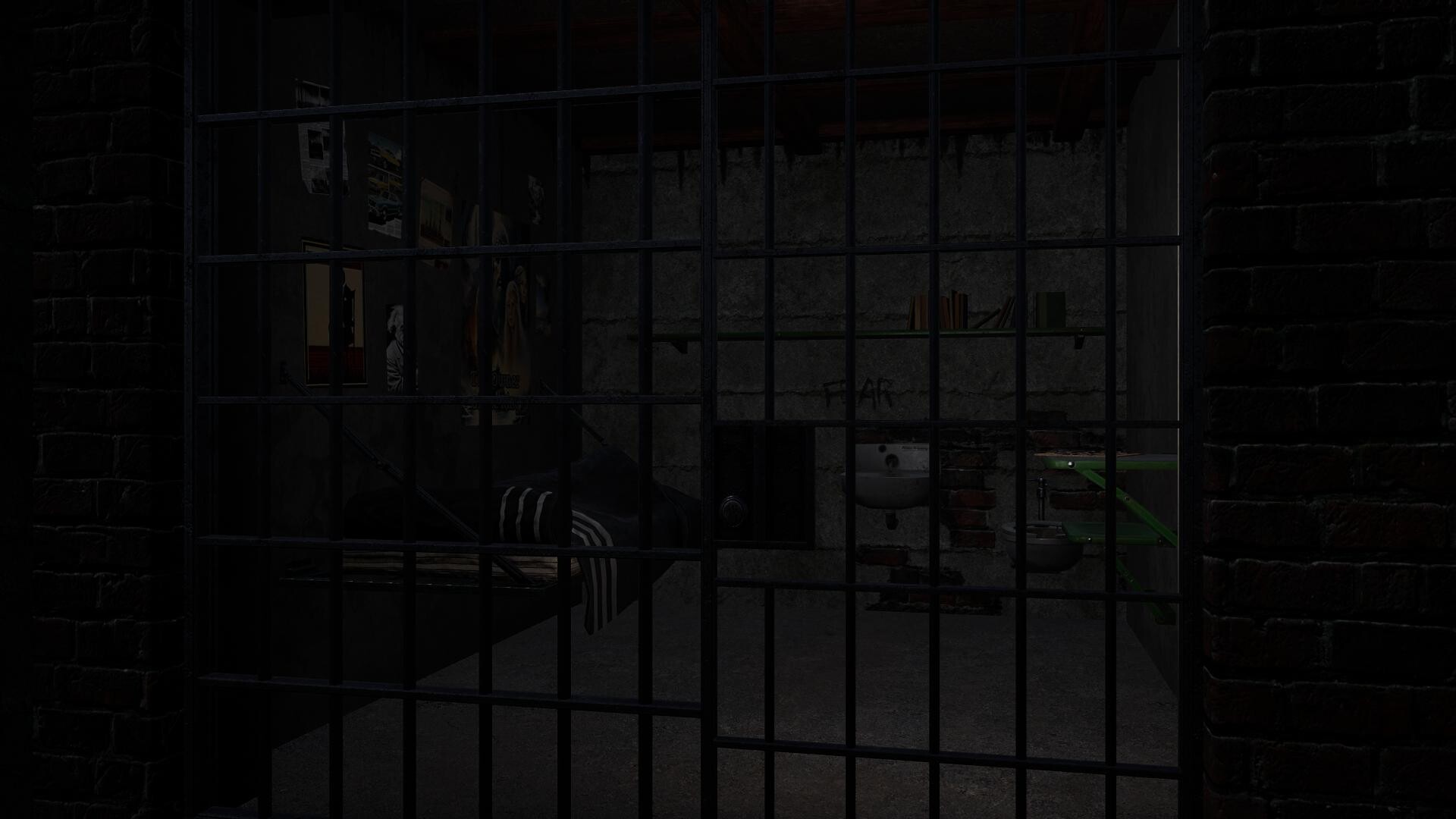
Official Steam text frames Trace of the Villa as an investigation that becomes personal: Jin recovers manifests and other hints in a property cut off from the grid. Restoring power to the estate reactivates secured systems, unlocks hidden compartments and safes, and yields fragments of encrypted documents and suspicious transfer records. The core loop, as presented, is clue-driven exploration and puzzle discovery inside a mansion that both reveals and hides identity and history.
When and where
Trace of the Villa launched on Steam on 28 May, 2026. The developer and publisher listed on the Steam page is Steadyturtle Co., Ltd., and the product page includes the categories and accessibility options shown in the facts table above.
Why the theme matters — emotional stakes and curiosity
The stated setup centers Jin’s search for family, so the emotional stakes are intimate: this is not an anonymous investigation but a personal trail where each recovered item could mean a lead or false hope. The mansion’s description — rooms left as if occupants vanished mid-routine, missing photographs and erased identities — positions the game to appeal to players who find tension in excavating past lives and interpreting what remains unsaid.

How you progress — the investigative mechanics (as described)
According to the official description, progression revolves around restoring estate systems and unlocking physical and digital caches: when power returns, secured systems come back online, hidden compartments unlock, and safes reveal fragments of encrypted documents and suspicious transfer records. Players piece together timelines and follow financial trails, falsified identities, and evidence of people who passed through the place under strict control. Those narrative fragments are the primary levers of forward motion.
Player scenarios — who will get most from the game
- The methodical investigator: You savor assembling timelines, decoding documents, and following paper trails. The game’s manifests and encrypted fragments are the kind of clues that reward cross-referencing and patience.
- The atmosphere-first explorer: You want rooms that feel lived-in and a mansion that tells its story through objects and absence. The description’s “erased” identities and mid-routine furnishings should be compelling.
- The narrative-focused player: You play for emotional beats and the personal urgency of Jin’s search. If you respond to stories about family, loss, and the revelation of concealed operations, this will appeal.
- The accessibility-minded player: Steam categories indicate subtitle options, color alternatives, custom volume controls, and “playable without timed input,” which helps players who prefer thoughtful pacing and fewer reflex demands.
How Trace of the Villa sits next to similar story-driven mysteries
Below is a compact editorial comparison that focuses on tone, puzzle emphasis, exploration style, and pacing. These comparisons are provided as editorial discovery — not judgment.
| Title | Genre / Tone | Puzzle & exploration style | Player fit (if you like Trace of the Villa) |
|---|---|---|---|
| Inscryption | Adventure / Indie — card-based psychological horror | Escape-room puzzles mixed with deckbuilding and meta-horror twists; heavier on mechanical experimentation than pure environmental clue-gathering. | Pick Inscryption if you want mind-bending systems and meta surprises rather than a straightforward estate investigation. |
| Outer Wilds | Action / Adventure — open-world cosmic mystery (Named GOTY 2019) | Exploration-led mystery across a solar system, with player-driven discovery and emergent clues; less about locked safes and more about environmental science and pattern recognition. | Choose Outer Wilds if you prefer open-ended exploration and discovery across varied locales rather than a concentrated mansion setting. |
| The Medium | Adventure — psychological horror | Atmospheric exploration with dual-reality puzzle moments and a heavier horror tone focusing on trauma and supernatural elements. | The Medium fits players who want a more overtly eerie, horror-leaning narrative with psychological themes. |
| The Forgotten City | Adventure / Indie — narrative-driven mystery with time-loop elements | Puzzle and narrative choices with moral stakes and a focus on dialogue and consequences rather than object-based forensics. | Consider The Forgotten City if you like narrative puzzles with ethical implications rather than purely object- and document-based reconstruction. |
| Journey | Adventure / Indie — minimalist,YouTube discoveryFor trailer and gameplay discovery, use YouTube search rather than relying on unverified embeds: Find Trace of the Villa trailer and gameplay searches on YouTube. CommentsMore posts |
Leave a Reply