
Trace of the Villa — a slow-burning mansion mystery for clue-driven players
Trace of the Villa drops you into Jin’s years-long search for a missing sister, starting at a remote, decaying mansion filled with erased lives and encrypted fragments. The game promises environmental storytelling, clue-driven exploration, and narrative puzzle design that reward patient investigation rather than twitch reflexes.

| Fact | Detail |
|---|---|
| Title | Trace of the Villa |
| Steam appid | 3483660 |
| Release date | 28 May, 2026 |
| Developer / Publisher | Steadyturtle Co., Ltd. |
| Genres | Action, Adventure, Indie |
| Categories / accessibility | Single-player; Color Alternatives; Custom Volume Controls; Playable without Timed Input; Subtitle Options; Family Sharing |
| Premise | Jin’s search for his missing sister leads him to a decaying mansion where manifests, encrypted documents, and falsified identities hint the sister may still be alive. |
Who should wishlist Trace of the Villa?
If you prioritize atmospheric mystery adventure and want a story that rewards careful reading of the environment, Trace of the Villa is aimed at you. The game speaks to players who prefer environmental storytelling and narrative puzzle design over constant action — folks who like to follow a thread of clues, restore systems, and watch the house gradually reveal its past.
What the game is — the narrative hook
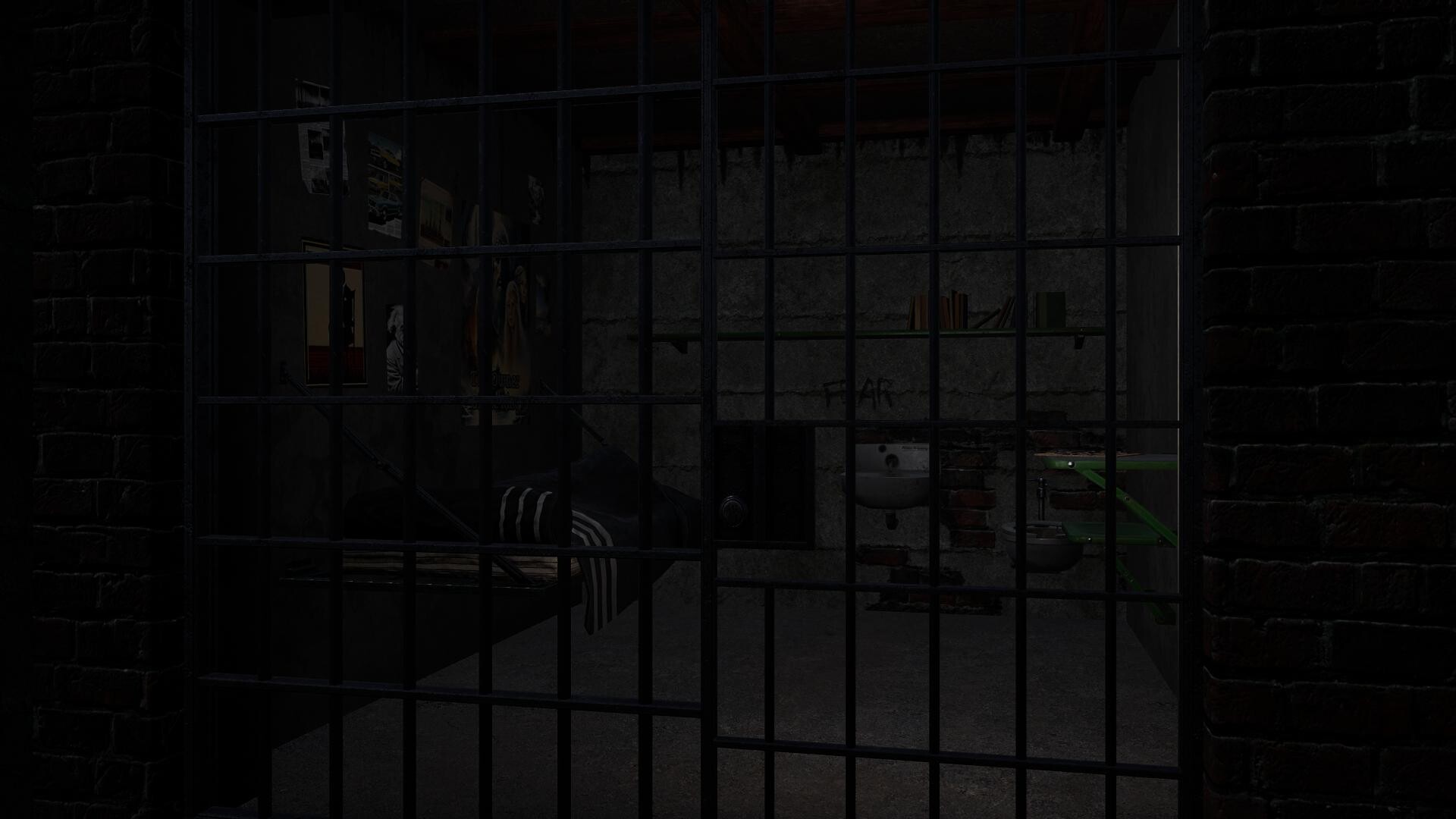
Officially, Trace of the Villa opens with Jin arriving at a remote, deliberately forgotten estate after recovering manifests and hints suggesting his sister may still be alive. Inside, the mansion is presented as a place that feels “less abandoned than erased”: furnished rooms frozen mid-routine, locked doors, missing names and photographs, and secured systems that yield encrypted documents when power is restored. The tension is investigative rather than jump-scare: you piece together falsified identities, suspicious transfers, and a pattern of arrivals and departures masked by deliberate erasure.

When and where to find it on Steam
Trace of the Villa released on 28 May, 2026 and is available on Steam. The developer and publisher listed on the store page are Steadyturtle Co., Ltd., and the store page includes accessibility options like subtitle support and color alternatives that make the investigative experience more approachable.
Why the theme matters — erased identities and slow-burn suspense
The core theme — places and people deliberately erased — creates a specific emotional stake: curiosity paired with the dread of discovering why someone’s life was scrubbed. That emotional geometry favors slow-burn suspense. Players who enjoy reconstructing motive from absence — what’s not on the mantel, which paperwork is falsified, why a ledger points nowhere — will find the premise compelling. The mystery is human and procedural rather than supernatural, driven by financial trails, encrypted fragments, and systems that once restored reveal more questions than answers.
How you progress — reading clues, restoring systems, and following trails
Progress in Trace of the Villa centers on exploration and interaction with the mansion’s infrastructure. The official description notes that restoring power brings systems back online, hidden compartments unlock, and safes yield encrypted documents and transfer records. Solving puzzles and decrypting fragments appears to be the primary way Jin pieces together a timeline — arrivals without records, departures without witnesses, and movements masked behind falsified identities. Expect gameplay loops that reward methodical searching, inventory use, and careful note-taking rather than fast reflexes.
Player scenarios — which specific kinds of players will click with this game?
- The methodical investigator: You annotate in-game manifests and trace financial breadcrumbs. You enjoy systems that unlock new narrative threads as you restore power or decrypt files.
- The atmospheric explorer: You value rooms that tell stories by absence and detail, and you’re motivated by mood, not combat metrics.
- The puzzle-minded detective: You prefer narrative puzzles where solving one lock or system reveals another puzzle, and you like layered reveals over immediate exposition.
- The accessibility-conscious player: You appreciate the presence of subtitle options, color alternatives, and play without timed input—useful for a contemplative pacing.
How it compares — quick editorial table
| Title | Core appeal | Atmosphere / tone | Puzzle / exploration focus | Pacing / player fit |
|---|---|---|---|---|
| Trace of the Villa | Clue-driven mansion investigation | Slow-burn, procedural unease centred on erased identities | Restore systems, decrypt documents, unlock hidden compartments | Methodical investigators and atmospheric explorers |
| Inscryption | Card-based odyssey mixing puzzles and meta-narrative | Inky, psychological horror | Escape-room style puzzles interleaved with deckbuilding | Players who like genre-bending, surprise structural shifts |
| Outer Wilds | Open-world mystery in a time-loop solar system | Curious, melancholic discovery | Exploration-led puzzles that reveal through environment | Players who enjoy systemic mysteries and emergent discoveries |
| The Medium | Psychological investigation with spirit-realm exploration | Dark, reflective horror and trauma | Narrative puzzles and dual-reality traversal | Players drawn to story-driven, interleaved realities |
| The Forgotten City | Time-loop narrative mystery with moral stakes | Tense, investigatory atmosphere | Dialogue and consequence-driven puzzles | Those who prefer branching narrative and ethical puzzles |
Editorial note:
Steam page
View Trace of the Villa on Steam
YouTube discovery
For trailer and gameplay discovery, use YouTube search rather than relying on unverified embeds: Find Trace of the Villa trailer and gameplay searches on YouTube.
Leave a Reply