
Trace of the Villa: a slow-burn mansion mystery built around clues, erasures, and one man’s search
Jin has spent years searching for his missing sister, following leads that lead him to a remote, decaying mansion where manifests and hints suggest she may still be alive at the end of the trail. Trace of the Villa (Steadyturtle Co., Ltd., released 28 May, 2026) positions players as an investigator-pilot through atmospheric mystery adventure and clue-driven exploration.

Who, what, when, where, why, and how
Who is this for?
Players who prefer story-rich indie games with a patient, investigative pace: people drawn to environmental storytelling, slow-burn suspense, and narrative puzzle design rather than run-and-gun action. The game’s Steam categories (Single-player, Color Alternatives, Custom Volume Controls, Playable without Timed Input, Subtitle Options, Family Sharing) indicate accessibility options and a solo, contemplative experience.
What is Trace of the Villa?
Officially described on Steam: Jin is searching for his missing sister and follows a lead to a deliberately forgotten mansion. Inside, the house feels “less abandoned than erased” — rooms left mid-routine, personal belongings with no names or photographs, and traces of a concealed operation revealed as systems come back online. Gameplay mixes exploration, puzzle solving, and reading forensic-like evidence (manifests, encrypted documents, transfer records) to reconstruct what happened and whether the sister could still be alive.
When and where is it available?
Trace of the Villa released on Steam on 28 May, 2026. You can view it on Steam here: Trace of the Villa on Steam.
Why the premise matters
The central conceit — a property erased of names and records — turns every object into a possible clue and every restored subsystem into a storytelling device. That matter-of-fact presentation (manifests, falsified identities, suspicious transfers) shifts the emotional stakes from abstract dread to a personal quest: Jin isn’t solving a riddle for its own sake, he’s reconstructing a life. For players seeking emotional hooks, that personal motivation raises the cost of each discovery.
How you progress
According to the official description, progress comes from restoring systems and unlocking secured spaces: when Jin restores power, hidden compartments and safes reveal fragments — encrypted documents, transfer records, and other evidence that build a timeline. The game emphasizes clue-driven exploration and environmental storytelling: puzzles and locked systems are the mechanisms that force you to read the mansion as a text and piece together the operation that took place there.
Compact facts
| Title | Trace of the Villa |
|---|---|
| Steam AppID | 3483660 |
| Release date | 28 May, 2026 |
| Developer / Publisher | Steadyturtle Co., Ltd. |
| Genres | Action, Adventure, Indie |
| Categories | Single-player; Color Alternatives; Custom Volume Controls; Playable without Timed Input; Subtitle Options; Family Sharing |
| Premise (official short) | Jin has spent years searching for his missing sister… a remote, decaying mansion where manifests and hints indicate his sister may still be alive. |
| Steam reviews (public) | No user reviews |
Visual samples

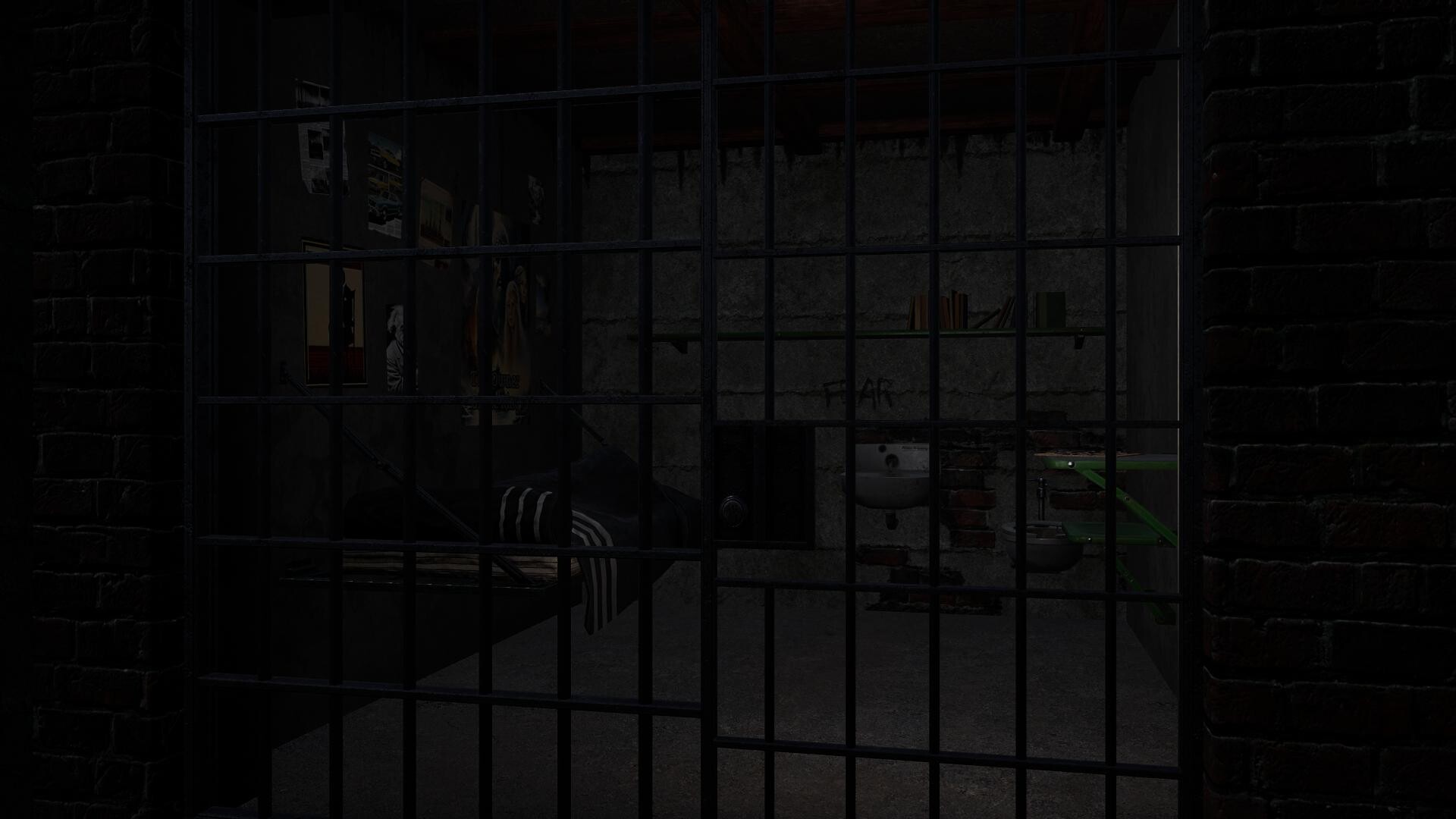
Player scenarios — who should wishlist this
- Curiosity-driven explorers: you enjoy reading notes, manifests, and dossiers, assembling timelines from fragments rather than receiving exposition.
- Slow-burn story players: you prefer tension built from atmosphere and implication instead of constant shocks; the personal search (Jin’s sister) raises emotional stakes.
- Puzzle-and-clue solvers: you like unlocking systems, decrypting documents, and solving environmental puzzles that directly affect narrative access.
- Accessibility-minded players: Steam categories indicate options like color alternatives, subtitle options, and the ability to play without timed input.
How it compares — editorial discovery table
| Title | Genres / Vibe | Gameplay focus | Tone & pacing |
|---|---|---|---|
| Trace of the Villa | Action / Adventure / Indie — mansion mystery | Clue-driven exploration, restoring systems, environmental puzzles | Slow-burn, personal, investigative |
| Inscryption | Adventure / Indie / Strategy — inky card-based odyssey | Deckbuilding + escape-room style puzzles, meta-revelations | Dark, claustrophobic, psychologically unsettling |
| Outer Wilds | Action / Adventure — open-world cosmic mystery | Exploration and discovery across connected locations, time-loop mechanics | Curious, contemplative, discovery-led pacing |
| Journey | Adventure / Indie — meditative exploration | Traversal and atmospheric storytelling, minimalist narrative | Serene, emotional, slow-paced |
| The Forgotten City | Adventure / Indie / RPG — time-loop mystery | Dialogue and choice-driven mystery, puzzle exploitation of time mechanics | Investigative, consequential, narrative-heavy |
| The Medium | Adventure — psychological horror | Dual-reality exploration with psychological themes | Haunting, reflective, tense |
Comparison notes: these brief comparisons focus on genre, atmosphere, puzzle/exploration emphasis, and pacing so you can judge whether Trace of the Villa’s mansion-bound, clue-forward investigation fits your preferences. They are editorial observations based on public descriptions, not claims of endorsement or affiliation.
Emotional stakes and narrative hook
What makes the premise sticky is the combination of personal urgency (Jin’s sister may yet be alive) and institutional erasure (falsified identities, transfer records that go nowhere). Each recovered manifest or locked compartment doesn’t just answer a mechanical puzzle — it pulls a thread on a human life. If you care about narrative payoff tied to investigative effort, that interplay is the core emotional engine.
Trailer and further discovery
Looking for trailer or gameplay clips? Use this YouTube discovery link to search for trailers and gameplay recordings: Search Trace of the Villa on YouTube. Note: this is a search path for
Leave a Reply