
Trace of the Villa — what draws players to a mansion full of missing histories
Trace of the Villa places you in Jin’s shoes: a quiet, methodical search for a missing sister that leads to a remote, decaying mansion full of erased lives and encrypted secrets. The game promises slow-burn suspense built around environmental storytelling, locked doors, recovered manifests and a trail that hints the sister may still be alive at the end of the line.

Who should wishlist Trace of the Villa?
If you hunt for narrative curiosity and hidden backstory in atmospheric mystery adventures, this is for you. Players who prefer story-first exploration — those who like unpacking a timeline from scattered documents, restored systems, and staged rooms — will find the mansion’s erased identities and hush of absence compelling. It’s pitched at single-player fans who enjoy investigative pacing rather than constant combat or speedrun objectives.
What the game is
Trace of the Villa is an action‑adventure indie from Steadyturtle Co., Ltd. It follows Jin, who after years of searching for his missing sister, tracks a lead to a purposely forgotten mansion. Inside, rooms look as if occupants vanished mid-routine; locked doors and secured systems hide encrypted documents, suspicious transfer records, and falsified identities. The core loop centers on restoring power, opening secured compartments, and tracing financial and administrative trails that point to a larger, controlled operation.
When and where to play
Trace of the Villa released on 28 May, 2026 and is available on Steam for PC. The Steam page lists the developer and publisher as Steadyturtle Co., Ltd., and categorizes the title under Action, Adventure, Indie with single-player and accessibility options such as color alternatives and subtitle options.
Why the premise matters
Games that trade on “erased lives” and missing documentation ask a player to become a historian as well as an investigator. The emotional stakes in Trace of the Villa are personal — Jin’s search reframes each unlocked file or powered-on terminal as the possible bridge to a living person. For players drawn to slow‑burn suspense and the moral weight of uncovering someone’s past, the mansion’s quiet gaps are the point: deciphering what was deliberately removed becomes a way of restoring identity.
How progression and clues work
The official Steam description makes the systems explicit: restoring power to the estate reactivates secured systems, reveals hidden compartments, and allows safes to yield encrypted fragments. Puzzles and exploration lean on environmental storytelling and document-based puzzles — encrypted records, manifests, and transfer logs create a clue web. Progress feels investigative: one solved puzzle or recovered ledger suggests the next lead rather than a linear beat of scripted revelations.
Scenes from the mansion

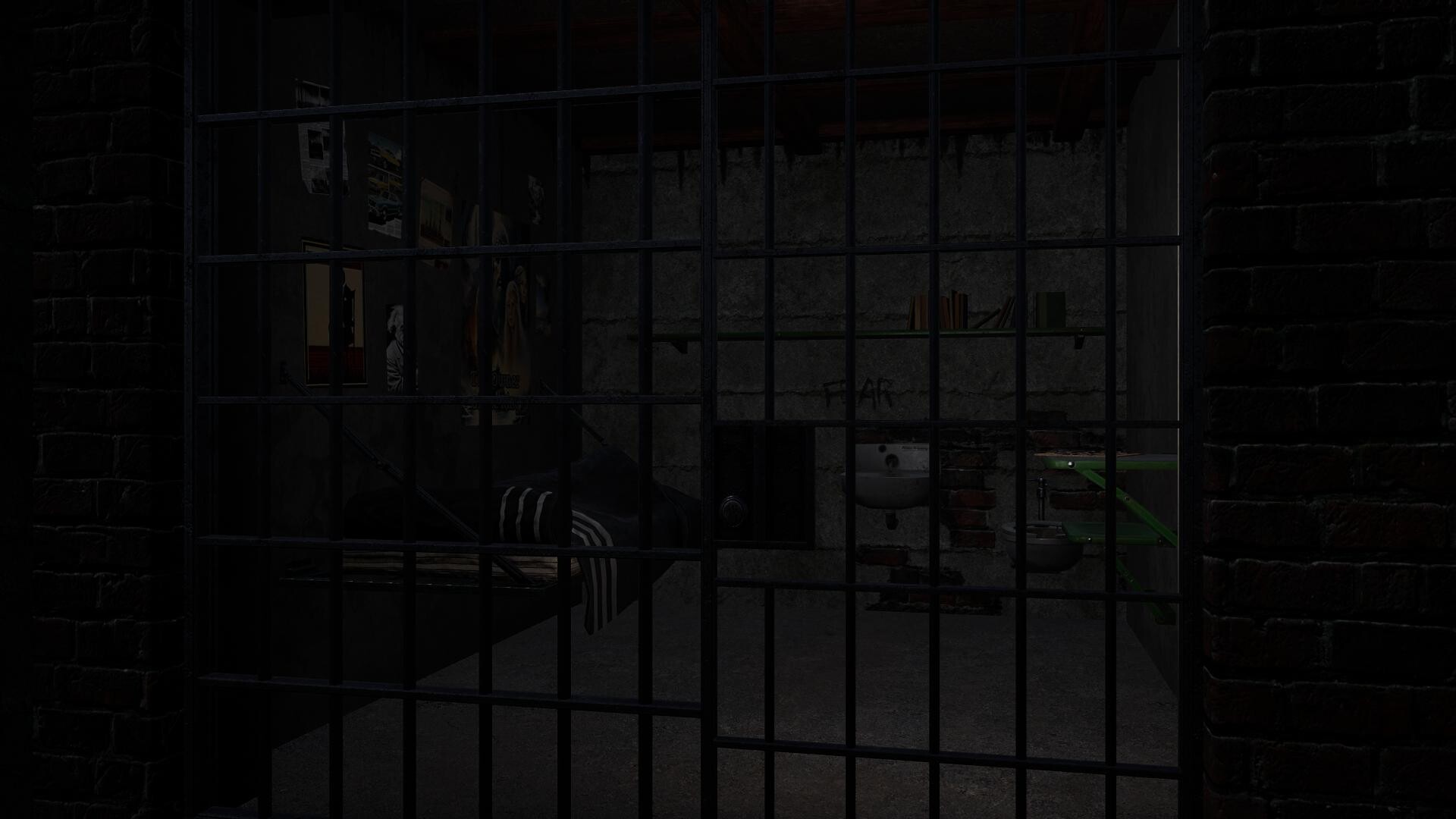
Player scenarios — who will enjoy Trace of the Villa
- The slow-burn detective: You like long-form puzzle threads that require cross-referencing documents, audio logs, and room layout to piece together a timeline.
- The emotional investigator: You choose games that center human stakes — a missing relative, personal letters, and the hope that a lead could reconnect someone with family.
- The environmental storyteller: You prefer games that deliver story through staged spaces and found objects rather than long cutscenes.
- The cautious action fan: If you want some action beats but not twitch‑heavy demands, the Action/Adventure genre tag indicates there are movement and reactive sequences balanced with investigation.
How it compares to other story-rich mystery/adventure titles
| Title | Similarities (genre/atmosphere) | Key differences (focus/pacing) | Player fit |
|---|---|---|---|
| Inscryption | Shares a strong sense of mystery and layered secrets woven into gameplay. | Inscryption mixes card‑based mechanics and meta twists; Trace of the Villa is grounded in environmental investigation and document puzzles. | Players who enjoyed Inscryption’s sense of unfolding dread but prefer physical exploration over card mechanics. |
| Outer Wilds | Both reward curiosity and patient exploration of a confined, meaningful space. | Outer Wilds is open, discovery-focused with a time-loop conceit; Trace of the Villa is mansion-bound and driven by reconstructing erased identities. | Explorers who like piecing together a larger puzzle from small observations, but who prefer interior mystery over cosmic scope. |
| The Forgotten City | Narrative-driven mystery with puzzle elements and a heavy focus on story consequences. | The Forgotten City uses time loop and moral choices within an ancient setting; Trace of the Villa leans into investigative reconstruction and contemporary records. | Fans of narrative puzzles who want grounded, document-heavy investigation rather than legal or philosophical dilemmas. |
| The Medium | Psychological atmosphere and exploration of traumatic, hidden pasts. | The Medium splits play across realms for supernatural mechanics; Trace of the Villa focuses on real-world forensics — files, safes, and restored systems. | Players drawn to psychological tone but who prefer forensic, evidence-based unraveling to paranormal mechanics. |
Quick facts — Trace of the Villa
| Title | Trace of the Villa |
|---|---|
| Steam AppID | 3483660 |
| Release date | 28 May, 2026 |
| Developer / Publisher | Steadyturtle Co., Ltd. |
| Genres | Action, Adventure, Indie |
| Key Steam categories | Single-player; Color Alternatives; Custom Volume Controls; Playable without Timed Input; Subtitle Options; Family Sharing |
Trailer and gameplay (YouTube discovery)
Search for trailers and gameplay on YouTube: Trace of the Villa trailer & gameplay (YouTube search). This link is a discovery path—confirm any specific video is official before assuming it’s a developer trailer.
View Trace of the Villa on Steam
Leave a Reply