Trace of the Villa — Jin’s search through a mansion of erased lives
Trace of the Villa is a story-rich indie mystery that drops you into Jin’s obsessive search for his missing sister inside a remote, decaying mansion. Developed and published by Steadyturtle Co., Ltd., the Action–Adventure indie released on Steam on 28 May, 2026 and leans on clue-driven exploration, environmental storytelling, and slow-burn suspense.

Quick facts
| Title | Trace of the Villa |
|---|---|
| Developer / Publisher | Steadyturtle Co., Ltd. |
| Genres | Action, Adventure, Indie |
| Release date | 28 May, 2026 (Steam) |
| Key Steam categories | Single-player; Color Alternatives; Custom Volume Controls; Playable without Timed Input; Subtitle Options; Family Sharing |
| Premise | Jin searches for his missing sister and follows a lead to a decaying, off‑grid mansion where manifests and hints suggest she may still be alive. |
Who this is for
If you buy into slow-burn, character‑driven mysteries that reward patient reading of the environment, Trace of the Villa is aimed at you. Players who enjoy atmospheric mansion mysteries, psychological investigation, and piecing together backstory from fragments—rather than nonstop combat or fast-paced action—will find the emotional stakes here compelling: this is a personal search, not a generic haunted‑house romp.
What the game is (and what it isn’t)
Officially, the story centers on Jin, who has spent years searching for his missing sister and follows a lead to a remote, deliberately forgotten mansion. Inside, rooms appear frozen in mid‑routine, identities and records erased, and locked systems and safes conceal encrypted fragments. When Jin restores power, previously hidden systems reactivate and reveal financial trails, falsified identities, and evidence of controlled movements—clues that point toward something larger than a single disappearance.
When and where
Trace of the Villa is available on Steam; its release date is 28 May, 2026. The in‑game location is described as a remote, decaying mansion cut off from the grid and deliberately forgotten—the primary stage for the game’s investigation and exploration.
Why the theme matters: narrative hook and emotional stakes
The narrative hook is straightforward and tightly personal: Jin’s search for a sibling creates an emotional baseline that reshapes every clue into something with consequence. The mansion’s “erased” quality—rooms furnished but identities removed, no photographs or names—turns environmental details into emotional evidence. That matters because players invested in uncovering human stories will treat inventory items, manifests, and encrypted fragments as intimate testimony rather than abstract collectibles.
How you progress: reading traces and unlocking secrets
Progress appears to be clue‑driven. The official description notes restoring power to the estate reactivates secured systems, unlocking compartments and safes that yield fragments of encrypted documents and suspicious transfer records. Solving puzzles, restoring systems, and collecting manifests and hints gradually assembles a timeline: arrivals without records, departures without witnesses, and movements masked by falsified identities. In short, the game frames progress as an investigation of systems and paperwork as much as physical exploration.

Player scenarios — when you should wishlist
- You like slow-burn mysteries: You prefer interpreting environmental clues and reading between the lines of manifest entries and transfer records rather than following an explicit quest marker.
- You care about emotional stakes: If a protagonist’s family search and the idea of erased identities motivate you to keep looking, Jin’s personal investment will hold your attention.
- You favor investigative puzzles over twitch reflexes: The game’s Steam categories include “Playable without Timed Input” and subtitle/custom controls, which signal a more considered, accessibility-minded approach to puzzle design.
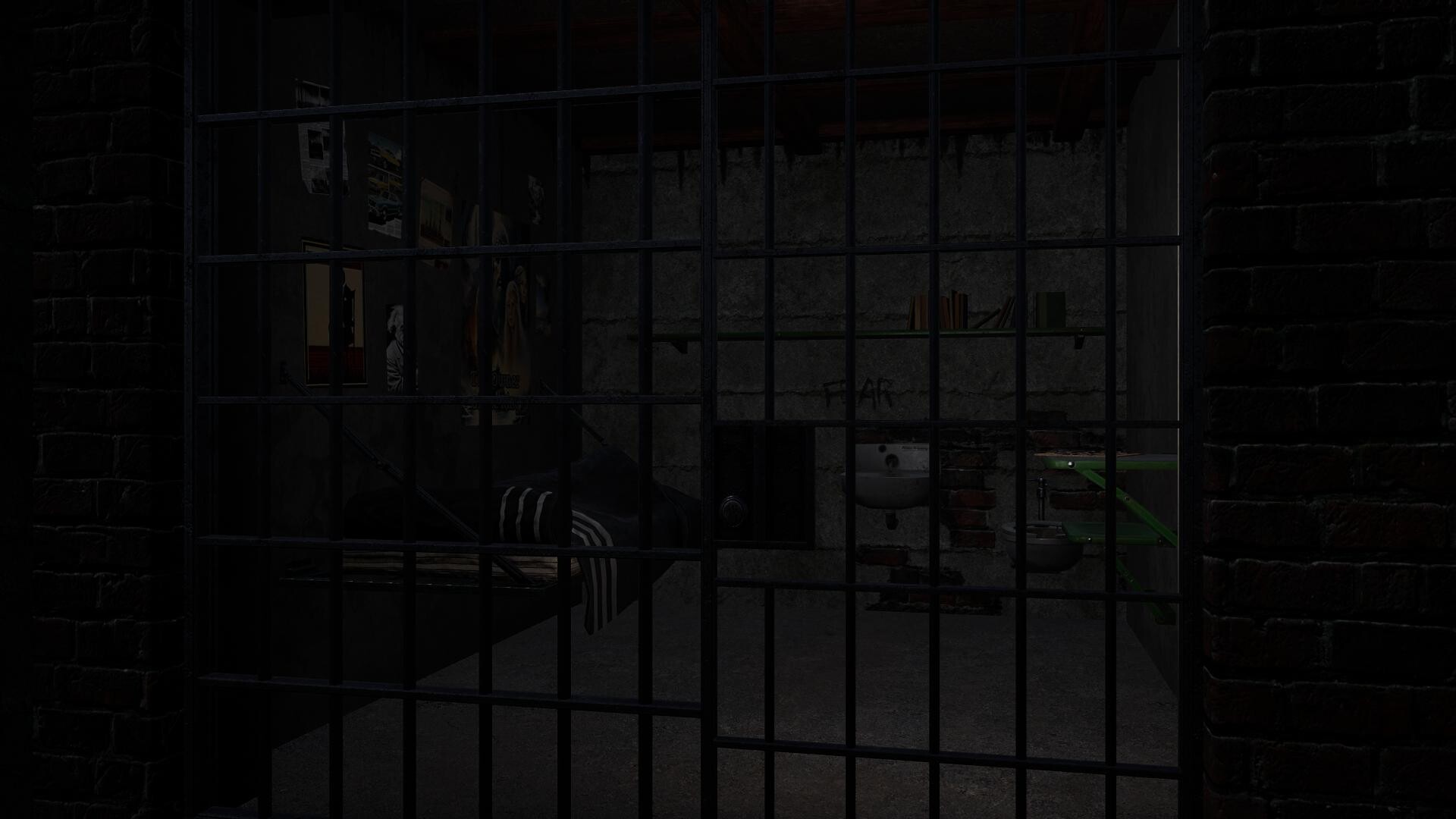
- You want atmospheric exploration: The mansion setting and environmental storytelling promise tension built from silence, locked doors, and the slow revelation of suppressed records.
How Trace of the Villa compares — editorial discovery table
| Title | Core mystery style | Puzzle focus | Exploration style | Tone / pacing | Player fit |
|---|---|---|---|---|---|
| Trace of the Villa | Personal investigation into a missing sibling; erased identities | Environmental puzzles, restoring systems, encrypted documents | Confined mansion, clue-driven room-by-room discovery | Slow-burn, atmospheric, investigative | Players who want emotional stakes and detective-like piecing together of records |
| Inscryption | Meta-card horror that hides layered secrets in its systems | Deckbuilding and escape-room puzzles blended with meta mechanics | Constricted, symbolic spaces that reveal narrative through systems | Darker, puzzle-heavy, often startling tonal shifts | Those who like systemic, surprising twists in puzzle and narrative design |
| Outer Wilds | Open-world cosmic mystery about discoveries and timelines | Puzzle solutions often require observation and synthesis across locations | Open solar system; exploration driven by curiosity and discovery | Exploratory, contemplative, time-loop structure | Players who enjoy sandbox exploration and emergent storytelling |
| The Forgotten City | Narrative-driven time-loop mystery with moral consequences | Dialogue and choice-based puzzles wrapped in logic of the loop | Ancient underground city; cause-and-effect exploration | Thoughtful, narrative-heavy, puzzle-driven | Players who like story puzzles with ethical stakes and branching outcomes |
| The Medium | Psychological horror split between real and spirit realms | Puzzles that exploit dual-reality mechanics | Linear but layered environments that reveal trauma and history | Tense, atmospheric, with psychological themes | Those who want atmospheric horror tied to narrative and mechanics |
Deciding checklist — does Trace of the Villa fit you?
- Do you prefer story clues over combat? — Yes improves fit.
- Do you want a small, focused indie with a specific protagonist motive? — Yes improves fit (Jin’s search
Steam page
View Trace of the Villa on Steam
YouTube discovery
For trailer and gameplay discovery, use YouTube search rather than relying on unverified embeds: Find Trace of the Villa trailer and gameplay searches on YouTube.
Leave a Reply