
Trace of the Villa — a slow-burn, clue-driven mansion mystery
Trace of the Villa puts you in Jin’s shoes as he chases a single lead to a remote, decaying mansion that may hold answers about his missing sister. Released 28 May, 2026 by Steadyturtle Co., Ltd., the game frames its investigation around environmental storytelling, restored systems, and puzzles that peel back a carefully concealed operation.

Who, What, When, Where, Why, How
Who is this for?
Players who prefer atmospheric mystery adventures over fast-paced action: those who enjoy environmental storytelling, methodical clue-sifting, puzzle-driven progress, and slow-burn suspense. The Steam page lists Trace of the Villa as Action / Adventure / Indie and a Single-player experience with accessibility options like Color Alternatives, Custom Volume Controls, Playable without Timed Input, and Subtitle Options—useful for players who want to focus on narrative detail rather than reflex tests.
What is the game?
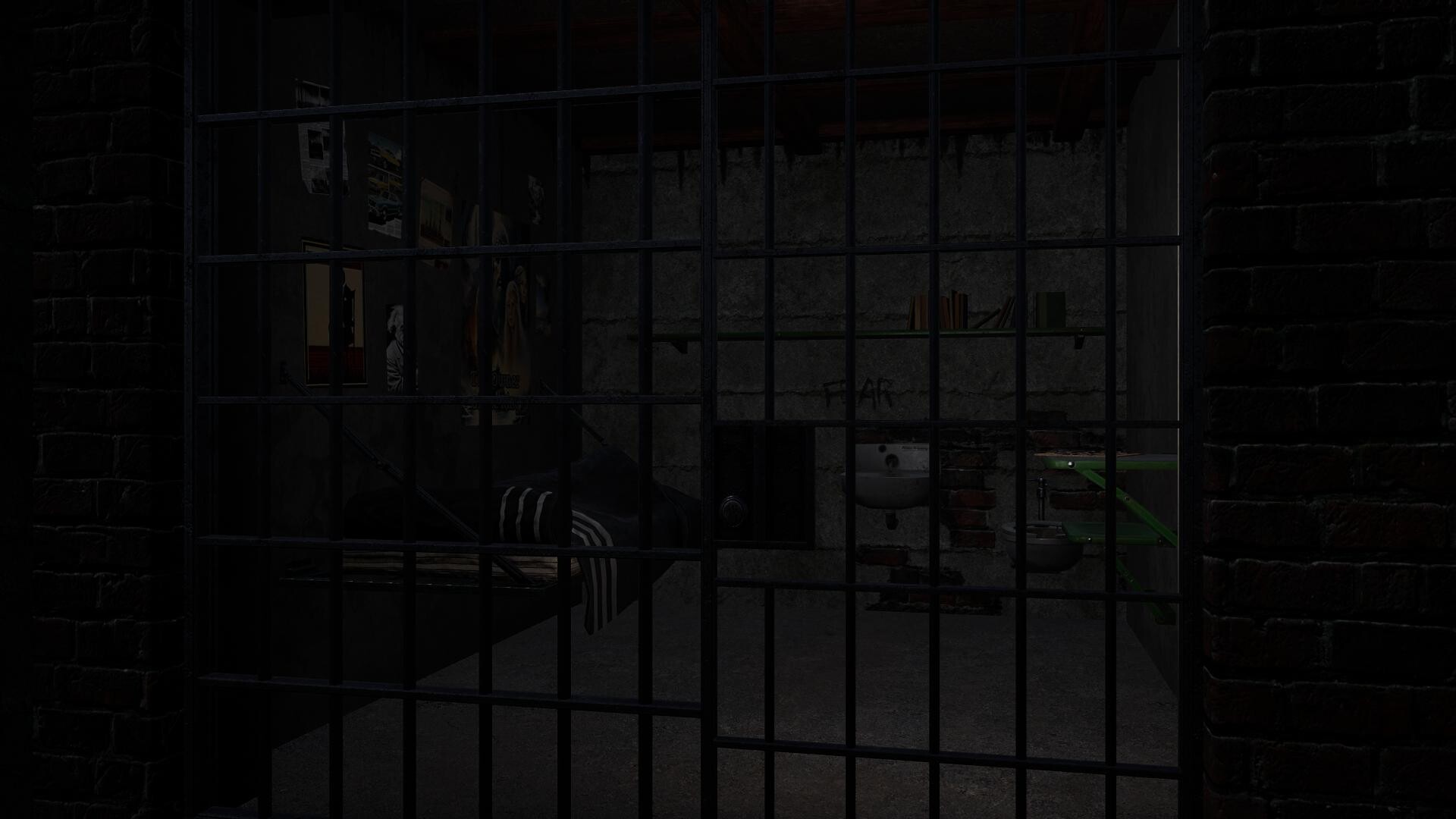
Trace of the Villa centers on Jin, a protagonist who has spent years searching for his missing sister. A lead points him to a property “cut off from the grid” and deliberately forgotten; inside, rooms look as if occupants vanished mid-routine and identity markers have been removed. Restoring power to the estate triggers secured systems, unlocked compartments, and fragmented encrypted documents — each solved puzzle reveals another thread in a hidden operation. The official short description and on-page description emphasize manifests, suspicious transfer records, falsified identities, and the possibility that Jin’s sister may still be alive somewhere down the trail.
When and where?
Trace of the Villa launched on Steam on 28 May, 2026. The Steam store page and assets are published by Steadyturtle Co., Ltd., which is listed as both developer and publisher.
Why the theme matters
The conceit of a house that looks “erased” rather than merely abandoned reframes investigation as restoration: lighting the building’s systems, opening sealed safes, and reactivating evidence-gathering to reveal an operational, deliberate concealment. That angle pushes the game toward psychological investigation and narrative tension rather than jump scares — players are rewarded for patience, curiosity, and assembling disparate fragments into a coherent timeline.
How you read clues and progress
According to the official description, progression comes from interacting with the mansion’s closed systems and physical traces: restoring power, unlocking compartments, solving puzzles that yield fragments of encrypted documents and transfer records. These fragments act as the game’s connective tissue; each decrypted piece points to new locations or secrets in the house and to the larger pattern of arrivals, departures, and masked movements. Pacing is investigative and discovery-focused.

Quick facts
| Title | Trace of the Villa |
|---|---|
| Steam App ID | 3483660 |
| Release date | 28 May, 2026 |
| Developer / Publisher | Steadyturtle Co., Ltd. |
| Genres | Action, Adventure, Indie |
| Notable Steam categories | Single-player; Color Alternatives; Custom Volume Controls; Playable without Timed Input; Subtitle Options; Family Sharing |
Who should wishlist Trace of the Villa?
- Investigative players who like environmental clues and puzzles that require assembly rather than reaction.
- Fans of slow-burn suspense and psychological investigation rather than overt horror set-pieces.
- Players who value accessibility options (subtitles, color alternatives, non-timed inputs) so they can focus on narrative detail.
- Anyone who enjoys piecing together a timeline from fragments—restoration of systems and unlocking of sealed evidence is the mechanical core.
Specific player scenarios
- Night-session detective: You enjoy methodical sessions where each hour reveals a few more documents and another locked safe. This is for you if pacing and narrative accumulation are the reward.
- Puzzle-first explorer: You like puzzles that open doors to story rather than puzzles as isolated challenges. If a solved cipher leads to an audio log or a transfer record that changes your understanding, you’ll appreciate the loop.
- Accessibility-conscious storyteller: You need subtitles, color alternatives, and no-timed-input options so you can absorb the mystery at your own cadence—Trace of the Villa lists all those Steam categories.
How Trace of the Villa compares (editorial discovery)
| Title | Shared elements | Key differentiator |
|---|---|---|
| Inscryption | Mood-driven mystery, psychological tension, puzzle-forward moments (card-driven puzzles in Inscryption). | Inscryption mixes deckbuilding and meta-horror. Trace of the Villa keeps investigation grounded in mansion exploration and system restoration rather than card mechanics or meta-layer reveals. |
| Outer Wilds | Exploration-led narrative, piecing together a timeline from scattered clues; player-driven discovery. | Outer Wilds uses open-world cosmic mystery and time-loop mechanics. Trace of the Villa is intimate, building its timeline from closed rooms and encrypted documents inside a single estate. |
| The Medium | Psychological investigation and atmosphere, dual-reality storytelling (The Medium). | The Medium splits realities as a core mechanic. Trace of the Villa emphasizes restoration and archival evidence within a single physical location without claiming dual-reality gameplay. |
| The Forgotten City | Narrative mystery centered on uncovering an orderly system and its consequences, puzzle-focused revelations. | The Forgotten City uses time-loop and moral choice as central devices. Trace of the Villa channels a similar investigative focus but anchors it in forensic restoration and encrypted financial trails rather than time mechanics. |
Leave a Reply