
Trace of the Villa: when quiet erasure matters more than cheap shocks
Trace of the Villa is a slow-burn, clue-driven atmospheric mystery adventure that builds dread through unexplained spaces and identity erasure rather than jump-scares. Launched by Steadyturtle Co., Ltd. on 28 May, 2026, the game places you in a decaying mansion where small absences—missing photos, sealed safes, falsified records—slowly assemble into a disturbing system of control.

Quick facts
| Title | Trace of the Villa |
|---|---|
| Steam AppID | 3483660 |
| Developer / Publisher | Steadyturtle Co., Ltd. |
| Release date | 28 May, 2026 |
| Genres | Action, Adventure, Indie |
| Categories | Single-player; Color Alternatives; Custom Volume Controls; Playable without Timed Input; Subtitle Options; Family Sharing |
What the game is
Trace of the Villa casts you as Jin, a protagonist whose years-long search for his missing sister leads him to a remote, deliberately forgotten mansion. The estate is less abandoned than erased: furnished rooms with no photographs or names, locked doors hiding hastily secured secrets, and financial traces that loop to nowhere. Gameplay centers on restoring systems, opening safes, reading manifests and encrypted fragments, and following the careful, puzzle-like breadcrumbs the house releases.
Who should wishlist this
- Players who prefer slow-burn psychological investigation over constant jump-scares.
- Fans of environmental storytelling and puzzle-led exploration in single-player PC mysteries.
- Those drawn to narratives about identity, falsified records, and small, unnerving absences rather than overt monsters.
When and where
Trace of the Villa released on Steam on 28 May, 2026. The Steam page lists the developer and publisher as Steadyturtle Co., Ltd., and shows the game under Action / Adventure / Indie categories with single-player and accessibility options such as subtitle support and custom volume controls.
Why quiet tension and erased identity matter
Horror that depends on atmosphere and uncertainty asks players to fill in blanks—missing photographs, empty nameplates, financial trails leading to nowhere. That absence is itself a vector of fear: it forces you to imagine what the house hides and why identities were scrubbed. In Trace of the Villa the mechanics support that theme explicitly—restoring power brings systems back online, safes yield fragments, and manifests suggest controlled movements—that slow accumulation of detail sustains tension more effectively than repeated shocks.
How you play: reading clues and progression
Progression is investigative and tactile. You return life to a property cut off from the grid, unlock compartments, decrypt fragments, and follow indirect leads. Each solved puzzle uncovers another layer of a larger operation—falsified identities, suspicious transfer records, and arrivals or departures without witnesses—so the player’s forward momentum is driven by assembling a timeline and interpreting absences as deliberate clues.
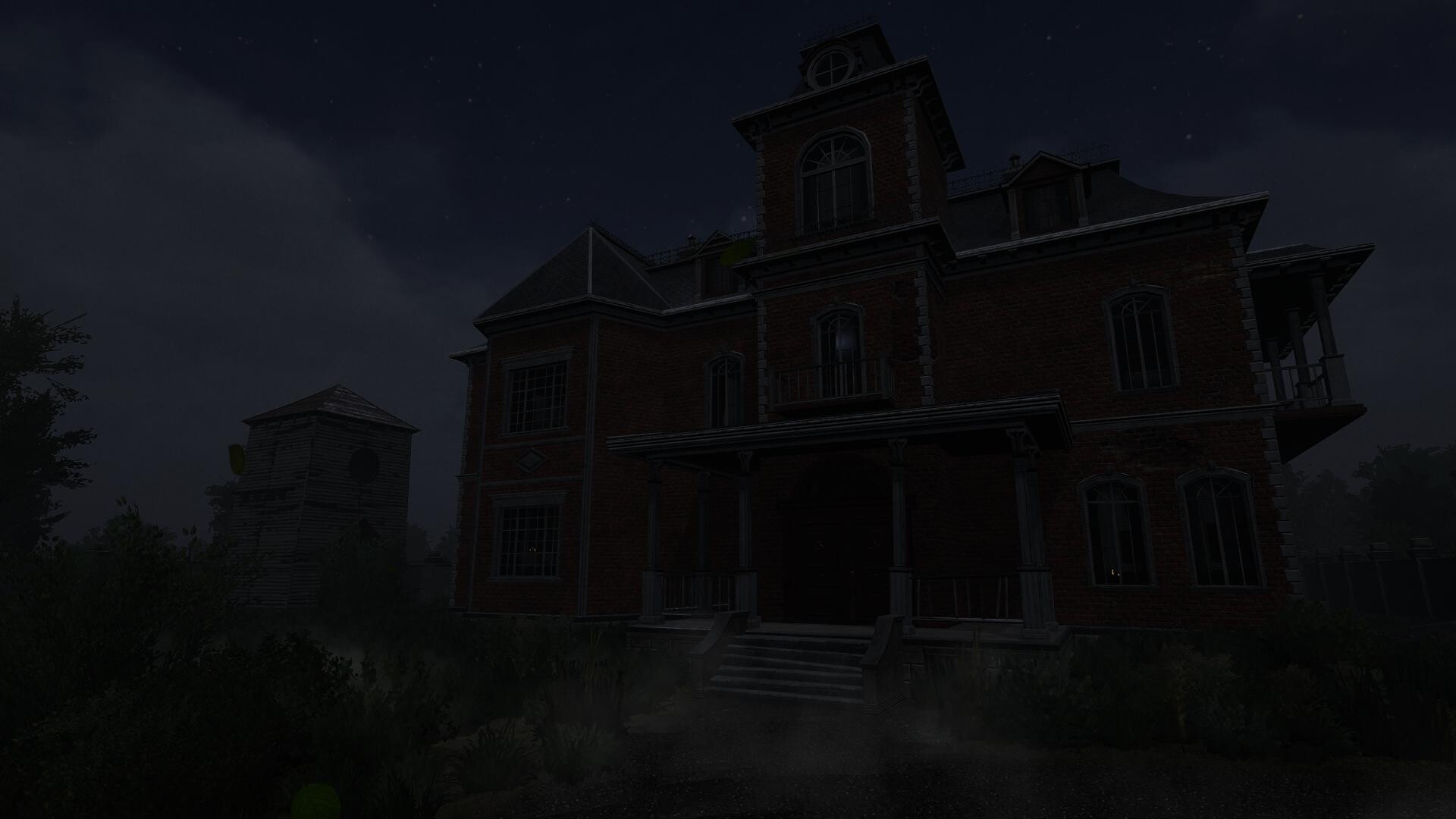

Player scenarios — who will get the most from Trace of the Villa
- The methodical investigator: You prefer tracing timelines from paper trails and listening to the environment. You’ll enjoy restoring systems and watching the mansion reveal layers of evidence.
- The atmospheric explorer: You savor pacing and tone over spectacle. The absence of photographs or names and the steady discovery of falsified records will hold your attention.
- The puzzle-first player: You want puzzles that unlock narrative beats rather than act as unrelated gatekeepers. Here, safes and encrypted documents are directly tied to the story being revealed.
- The player who dislikes timed input: The Steam page lists “Playable without Timed Input,” which suits players who want to inspect every corner without pressure.
How Trace of the Villa compares (editorial discovery)
| Title | Release | Atmosphere / Tone | Puzzle & Exploration Focus | Pacing |
|---|---|---|---|---|
| Trace of the Villa | 28 May, 2026 | Quiet, erasure-driven, investigative | Clue-driven: manifests, safes, restored systems | Slow-burn, methodical discovery |
| Amnesia: The Dark Descent | 8 Sep, 2010 | Immersion-focused, dread and survival | Environmental puzzles, survival elements | Persistent pressure and dread |
| SOMA | 21 Sep, 2015 | Sci-fi existential, unsettling | Exploration with philosophical narrative puzzles | Measured, narrative-heavy |
| Layers of Fear (2016) | 15 Feb, 2016 | Unstable, artistic-madness | Shifting environments that reveal story | Variable; often claustrophobic and tense |
| Poppy Playtime | 12 Oct, 2021 | Playful-terrifying, set-piece horror | Puzzle adventure with tool-based mechanics | Action-leaning, episodic tension |
Deciding if it fits your shelf
Pick Trace of the Villa if you want a Steam indie horror framed as a psychological investigation—where the primary threat is the idea of organized erasure and the mechanics support slow revelation. If you prioritize frequent adrenaline spikes or explicit survival combat, other titles in the comparison list trend more toward pressure or action. If your enjoyment comes from reading manifests, restoring systems, and drawing conclusions from what’s been carefully removed, this title is aimed at that exact appetite.
YouTube discovery
For trailer clips and early gameplay searches, use this YouTube query (search results may include unofficial captures): Search Trace of the Villa on YouTube.
View Trace of the Villa on Steam
Disclaimer: referenced titles and trademarks belong to their respective owners. Comparisons above are editorial discovery only and not endorsements or claims of affiliation.
Leave a Reply