

Trace of the Villa: a slow-burn mansion mystery built around clues, power restoration, and personal stakes
Jin’s search for a missing sister leads him to a decaying, deliberately forgotten mansion where recovered manifests and encrypted fragments suggest someone — or something — keeps identities and movements hidden. Trace of the Villa pairs environmental storytelling with investigative puzzles that force players to read systems and fragments to reconnect a scattered timeline.
Quick facts
| Title | Trace of the Villa |
|---|---|
| Developer / Publisher | Steadyturtle Co., Ltd. |
| Release date | 28 May, 2026 |
| Steam AppID | 3483660 |
| Genres | Action, Adventure, Indie |
| Notable categories | Single-player; Color Alternatives; Custom Volume Controls; Playable without Timed Input; Subtitle Options; Family Sharing |
Who is this for?
This is for players who prize atmosphere and incremental discovery over jump scares: those who enjoy mansion mysteries that reveal hidden operations through documents, locked systems, and restored infrastructure. If you prefer clue-driven exploration, environmental storytelling that asks you to piece together timelines, and a protagonist motivated by a personal, unresolved loss, Trace of the Villa sits squarely in that lane.
Accessibility-minded players should note the available categories — subtitles, color alternatives, and custom volume controls — and the explicit “playable without timed input” tag, which supports a slower, patient investigation pace.
What the game actually is
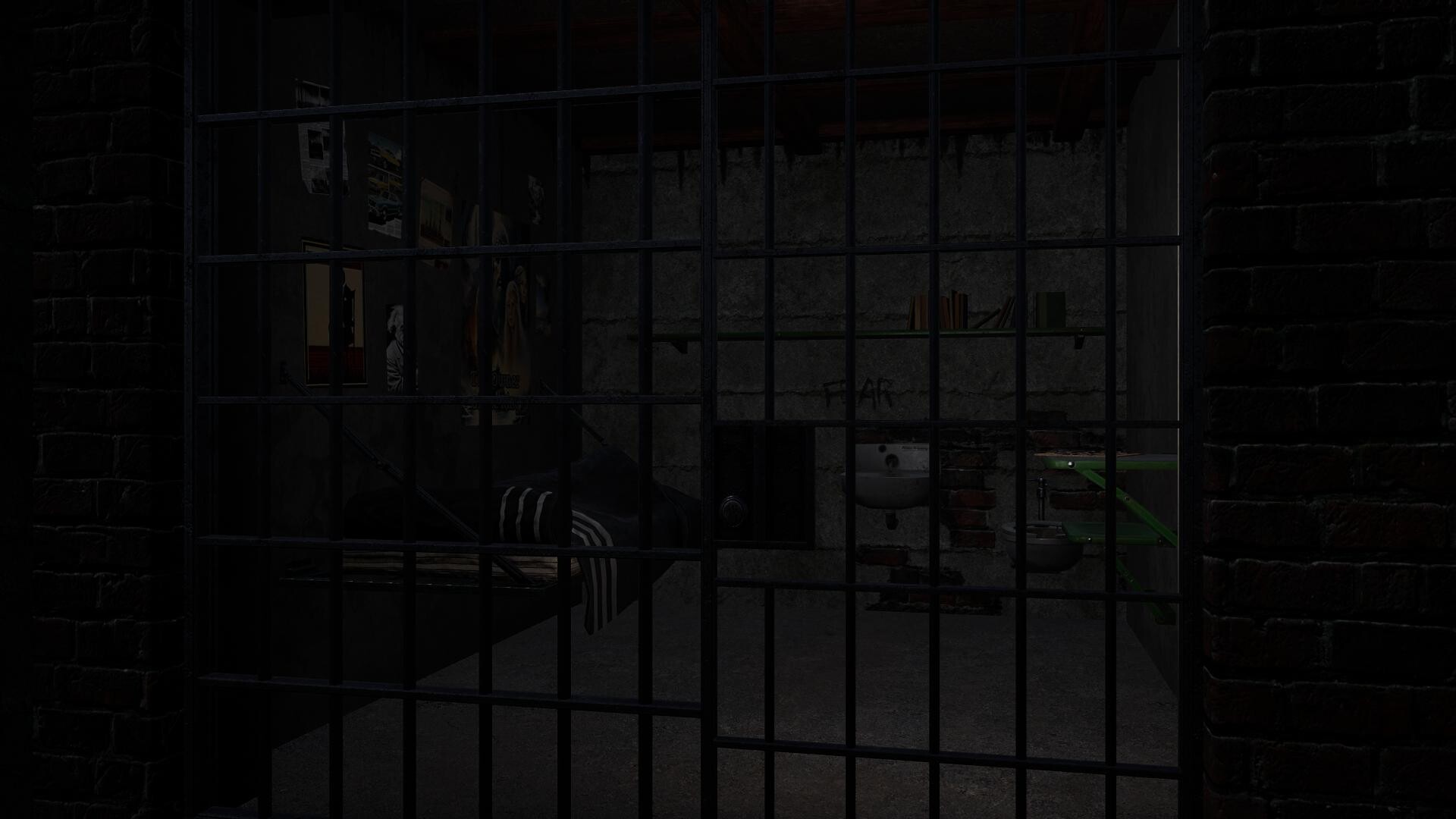
Official Steam materials set the scene plainly: Jin has searched for his missing sister for years. A lead takes him to a remote, off-grid mansion that feels less abandoned than erased. Rooms look as if occupants vanished mid-routine; identities and ownership appear to have been stripped away. When Jin restores power to the estate, secured systems reboot, hidden compartments unlock, safes yield fragments of encrypted documents and suspicious transfer records, and a pattern of controlled arrivals and departures begins to surface.
Mechanically expect investigative progression tied to restoring systems and solving puzzles to access new records — a narrative puzzle design that foregrounds reading clues, lateral thinking, and reconstructing a timeline from fragments rather than being driven by combat or reflex tests.
When and where
Trace of the Villa released on Steam on 28 May, 2026 and is listed as a PC/Steam indie release on the store. The Steam page (AppID 3483660) is the canonical place for system requirements, updates, and platform-specific information.
Why the theme matters — emotional stakes and motivation
The game’s core hook is personal: Jin’s search for a sister. That motivates the pacing and the emotional stakes — each recovered manifest or decrypted transfer record isn’t just a puzzle piece, it’s a potential lead toward someone who might still be alive. That personal motivation reframes otherwise clinical documents into charged discoveries, turning administrative traces into emotional payoffs.
How you read clues and progress
Progression is investigative and systems-focused. Restoring power is explicitly called out as a turning point: bringing systems back online opens locked compartments and reveals encrypted evidence. Puzzle solutions yield more information — financial trails, falsified identities, and controlled movements — and each discovery expands the map of what the mansion really was. Expect environmental puzzles, safes and secured systems, and an emphasis on assembling a timeline from incomplete records.

Player scenarios — who should wishlist this now
- Slow-burn explorers: You like taking time with a space, reading notes, reactivating systems, and letting tension build. Expect methodical puzzle pacing rather than constant action.
- Document hunters: If assembling timelines from manifests, transfer records, and encrypted fragments is your idea of payoff, the game’s structure rewards that approach.
- Emotion-driven mystery players: You want a clear personal stake — Jin’s search for his sister — that translates discoveries into emotional beats.
- Accessible-play seekers: The tags suggest subtitles, color alternatives, custom volume, and no timed inputs, which suit players who need or prefer a less reflex-oriented experience.
How it compares — quick editorial table
Below is a compact editorial comparison focusing on tone, puzzle focus, exploration, and pacing. This is an editorial discovery comparison only; see each store page for full details.
| Title | Genre / Atmosphere | Puzzle focus / Exploration | Story tone / Pacing | Player fit |
|---|---|---|---|---|
| Trace of the Villa | Action / Adventure / Indie — mansion mystery, erased identities | Clue-driven puzzles, restoring systems, document reconstruction | Personal, investigative, slow-burn | Players who like environmental storytelling and methodical investigation |
| Inscryption | Adventure / Indie / Strategy — inky, card-based, psychological | Card-based puzzles with escape-room moments and meta-secrets | Opaque, unsettling, often abrupt tonal shifts | Players who enjoy genre-blending mechanics and meta-mystery |
| Outer Wilds | Action / Adventure — open-world cosmic mystery | Exploration-driven puzzles across a solar system, pattern discovery | Curious, contemplative, discovery-led pacing | Players who prefer emergent exploration and systemic secrets |
| Journey | Adventure / Indie — poetic, atmospheric traversal | Minimal mechanical puzzles; exploration emphasizes mood and movement | Quiet, meditative, emotionally resonant | Players seeking a short, emotionally driven exploration experience |
| The Forgotten City | Adventure / Indie / RPG — narrative mystery, time-loop mechanics | Dialogue and time-manipulation puzzles with ethical consequences | Philosophical, puzzle-led, narrative-heavy | Players who like branching outcomes and moral puzzle solutions |
| The Medium | Adventure — psychological, dual-reality exploration | Environmental puzzles tied to world-shifting mechanics | Psychological, atmospheric, tension-driven | Players who appreciate layered realities and psychological storytelling |
YouTube discovery
Looking for trailers or gameplay clips? Use this YouTube search path (results may include community and preview footage; not all videos are official): Search Trace of the Villa on YouTube.
Ready to wishlist or buy?
If Jin’s personal investigation and a mansion whose systems you must revive sound like your kind of story, the Steam store page is the place to follow updates and wish-list the game: View Trace of the Villa on Steam
Leave a Reply