Trace of the Villa — a slow-burn mansion mystery for patient clue readers
Trace of the Villa places you in the shoes of Jin, a lone investigator chasing the faintest leads about a missing sister inside a deliberately forgotten mansion. Released on 28 May, 2026 by Steadyturtle Co., Ltd., it frames a story-rich, clue-driven adventure that rewards careful observation and methodical puzzle work.

Quick facts
| Title | Trace of the Villa |
|---|---|
| Steam App ID | 3483660 |
| Release date | 28 May, 2026 |
| Developer / Publisher | Steadyturtle Co., Ltd. |
| Genres | Action, Adventure, Indie |
| Key Steam categories | Single-player · Color Alternatives · Custom Volume Controls · Playable without Timed Input · Subtitle Options · Family Sharing |
| Store page | Trace of the Villa on Steam |
| User reviews | No user reviews (as of publishing) |
Who this is for
If you identify as a patient clue reader—someone who enjoys environmental storytelling, slow-burn suspense, and piecing together evidence from fragments—Trace of the Villa is pitched at you. The game’s premise centers on methodical investigation rather than constant jump scares; it appeals to players who prefer to follow timelines, decrypt documents, and reconstruct scenes from subtle visual and audio cues.
What the game actually is
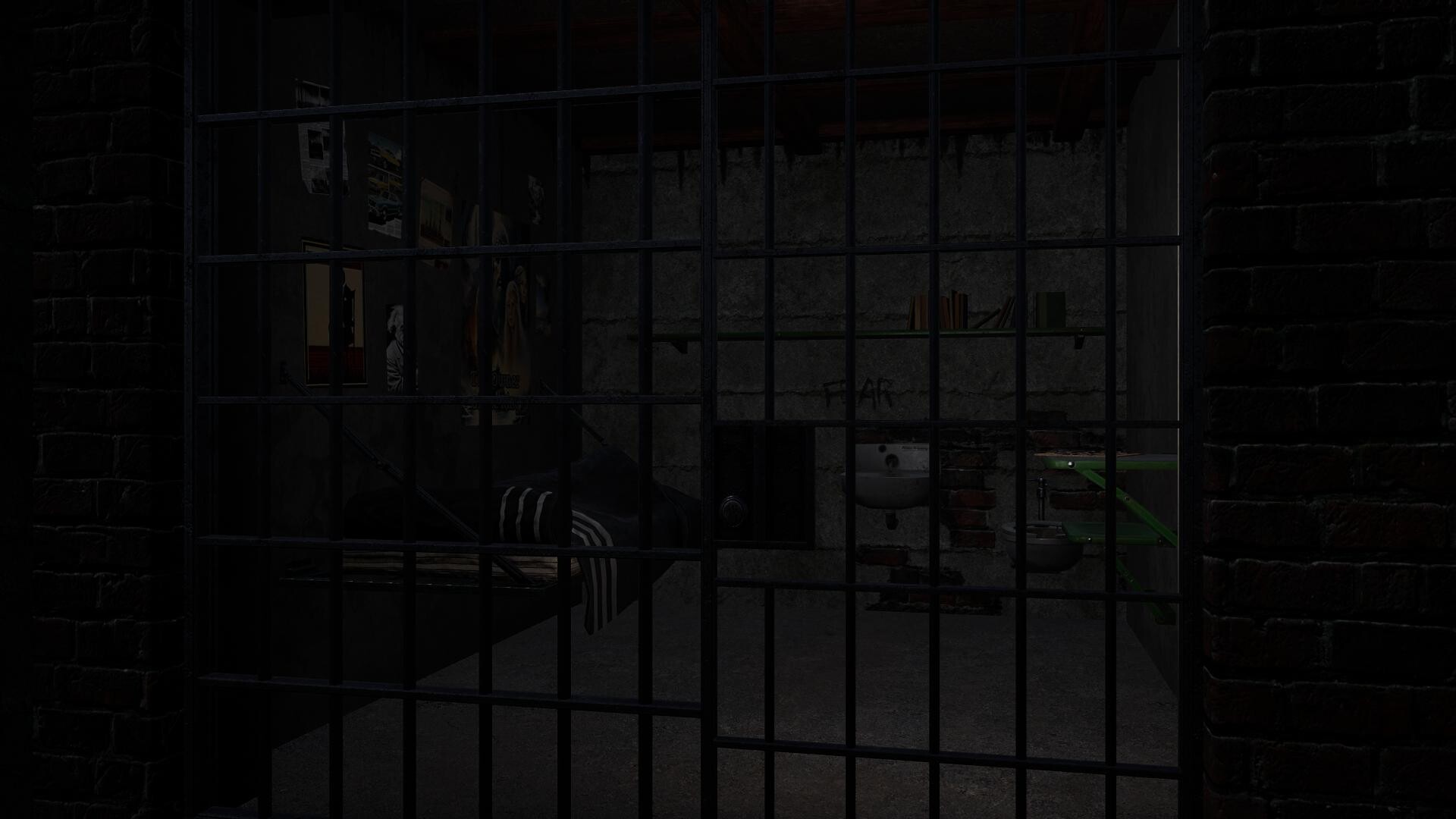
Officially described by the developer/publisher, Steadyturtle Co., Ltd., Trace of the Villa follows Jin as he follows leads to a remote, decaying mansion. The house “feels less abandoned than erased”: furnished rooms with no names or photographs, locked doors, and personal belongings that suggest occupants vanished mid-routine. Restoring power causes systems to come back online and reveals hidden compartments, safes, and encrypted documents. The motion of discovery is narrative puzzle design — solve a lock, retrieve a shard of paper, and the next clue appears.

When and where to play
Trace of the Villa launched on Steam on 28 May, 2026. The Steam store lists it under Action, Adventure, and Indie with single-player and accessibility-oriented categories such as Subtitle Options and Playable without Timed Input. If you want to track it, use the official Steam page linked above to wishlist or follow for updates.
Why the theme matters
The conceit of a property “erased” rather than merely abandoned steers the experience toward investigative tension: identity, falsified records, and hidden transfers form the backbone of the mystery. For players attracted to narrative puzzle games where atmosphere and forensic detail drive momentum, the mansion acts as a repository of evidence rather than a sequence of scripted set pieces.
How you read clues and progress
- Investigate spaces thoroughly: the official description stresses rooms left mid-routine and the absence of photographs or names, so visual inspection matters.
- Restore systems and power: when power is restored, secured systems and hidden compartments become accessible—this is a key progression mechanic.
- Collect fragments and documents: safes and encrypted files reveal financial trails, falsified identities, and transfer records that point to larger operations.
- Piece together the timeline: the game is structured so that each solved puzzle uncovers another layer of evidence, encouraging methodical assembly of facts rather than fast-action resolution.
Player scenarios — who should wishlist this
- Scenario A: You enjoy atmospheric mystery adventure games that reward note-taking and patient synthesis of clues. Wishlist Trace of the Villa if you prefer unraveling a timeline over combat-driven progression.
- Scenario B: You value accessibility options like subtitle support and controls that avoid timed inputs—the Steam page lists relevant categories that make the game approachable for deliberate playstyles.
- Scenario C: You want a story where investigating documents, encrypted traces, and infrastructure restoration are core mechanics—this is a narrative puzzle design built around forensic exploration.
How it compares to nearby mystery/puzzle titles
Below is an editorial comparison on lawful criteria: genre, atmosphere, puzzle focus, exploration style, story tone, pacing, and the player most likely to appreciate each title. These are comparative notes to help you decide which experience fits your tastes.
| Title | Genre / Tone | Puzzle & Exploration Focus | Pacing / Player Fit |
|---|---|---|---|
| Trace of the Villa | Action / Adventure / Indie — mansion mystery, erased identities, investigative | Clue-driven exploration: restore power, unlock compartments, decrypt documents; environmental storytelling | Slow-burn; for patient clue readers who prefer methodical evidence assembly |
| Rusty Lake Hotel | Adventure / Indie — dark, eerie, puzzle-driven | Point-and-click puzzle sequences with surreal scenarios and tightly focused vignettes | Compact, puzzle-centric; fits players who like short, peculiar puzzle chapters |
| The Medium | Adventure — psychological horror with dual-reality exploration | Exploration across two realms simultaneously, narrative and psychological investigation | Medium-paced psychological investigation; suited to players who want layered storytelling and occasional action |
| Layers of Fear | Adventure — first-person psychological horror, art-focused madness | Environmental and psychological puzzles with a strong emphasis on atmosphere and first-person immersion | Atmospheric and unnerving; appeals to players seeking immersive, subjective horror |
YouTube discovery
If you want to see trailers or gameplay clips, use this YouTube search path (search/discovery only): Search Trace of the Villa trailer & gameplay on YouTube. This link is intended as a discovery starting point rather than verification of any single official video.
Final notes and disclaimer
This overview used official Steam store metadata and the developer-provided description. Referenced facts—title, release date (28 May, 2026), developer/publisher (Steadyturtle Co., Ltd.), genres, and Steam categories—are from the Steam page. No user reviews were available on the store at the time of writing.
Comparisons above are editorial discovery only, intended to help you decide whether the game’s atmosphere, puzzle style, and pacing match your preferences. Referenced titles and trademarks belong to their respective owners.
Leave a Reply