Trace of the Villa: why quiet tension and unsettling rooms beat cheap shocks
Trace of the Villa (Steadyturtle Co., Ltd., released 28 May, 2026) places you in a decaying mansion where silence, erased identities, and paused domestic spaces do the heavy lifting of dread. Rather than leaning on jump scares, the game uses environmental storytelling — rooms frozen mid-routine, locked doors, and regained systems — to turn uncertainty into investigation-driven tension.

Who this is for
Players who prefer slow-burn suspense and clue-driven exploration over reflex tests. If you enjoy atmospheric mystery adventure, psychological investigation, or story-rich exploration inside a single-player, indie Steam experience — and you value accessibility options like subtitle support, custom volume controls, and the ability to play without timed input — Trace of the Villa is aimed at you.
What the game is
Trace of the Villa follows Jin, who has spent years searching for his missing sister. A lead points him to a remote, decaying mansion where manifests and hints suggest she may still be alive. Inside, rooms appear as if occupants vanished mid-routine; identities are missing from personal effects. When Jin restores power to the estate, secured systems come back online, hidden compartments unlock, and safes yield fragments of encrypted documents and suspicious transfer records. The official Steam description frames the mansion not as an ordinary residence but as part of a larger, carefully concealed operation.
Developer / Publisher: Steadyturtle Co., Ltd. — Genres listed on Steam: Action, Adventure, Indie. Categories include Single-player, Color Alternatives, Custom Volume Controls, Playable without Timed Input, Subtitle Options, and Family Sharing.
When and where
Trace of the Villa is available on Steam, released 28 May, 2026. If you want to follow the store page or add it to your wish list, the Steam page is here: Trace of the Villa on Steam.
Why quiet tension and environmental dread matter
Shock-driven horror trades on surprise; environmental dread trades on implication. Trace of the Villa demonstrates how removing obvious identifiers (photographs, names, clear histories) and leaving rooms staged mid-activity forces the player to become an interpreter of absence. That sustained state of uncertainty — the player constantly asking what was erased and why — produces a different kind of fear: creeping comprehension rather than momentary panic.
Design elements matter here. A furnished room that feels “erased” invites slow inspection; a locked drawer or a powered terminal that only reveals data after restoration becomes an emotional pivot, not merely a gating mechanic. Those details encourage methodical play, where pacing comes from how clues are revealed and how the house itself resists easy answers.
How you read clues and progress
The official descriptions make the progression clear in tone: restoring power and reactivating systems is a narrative driver. Players restore estate systems, unlock hidden compartments, and open safes to collect fragments of encrypted documents and manifests. Puzzles and document fragments form the investigative scaffold — you piece together timelines and follow financial trails and falsified identities to understand who passed through and why. Accessibility categories such as subtitle options and playable without timed input also underline a player-first pacing: exploration and deduction matter more than twitch reactions.
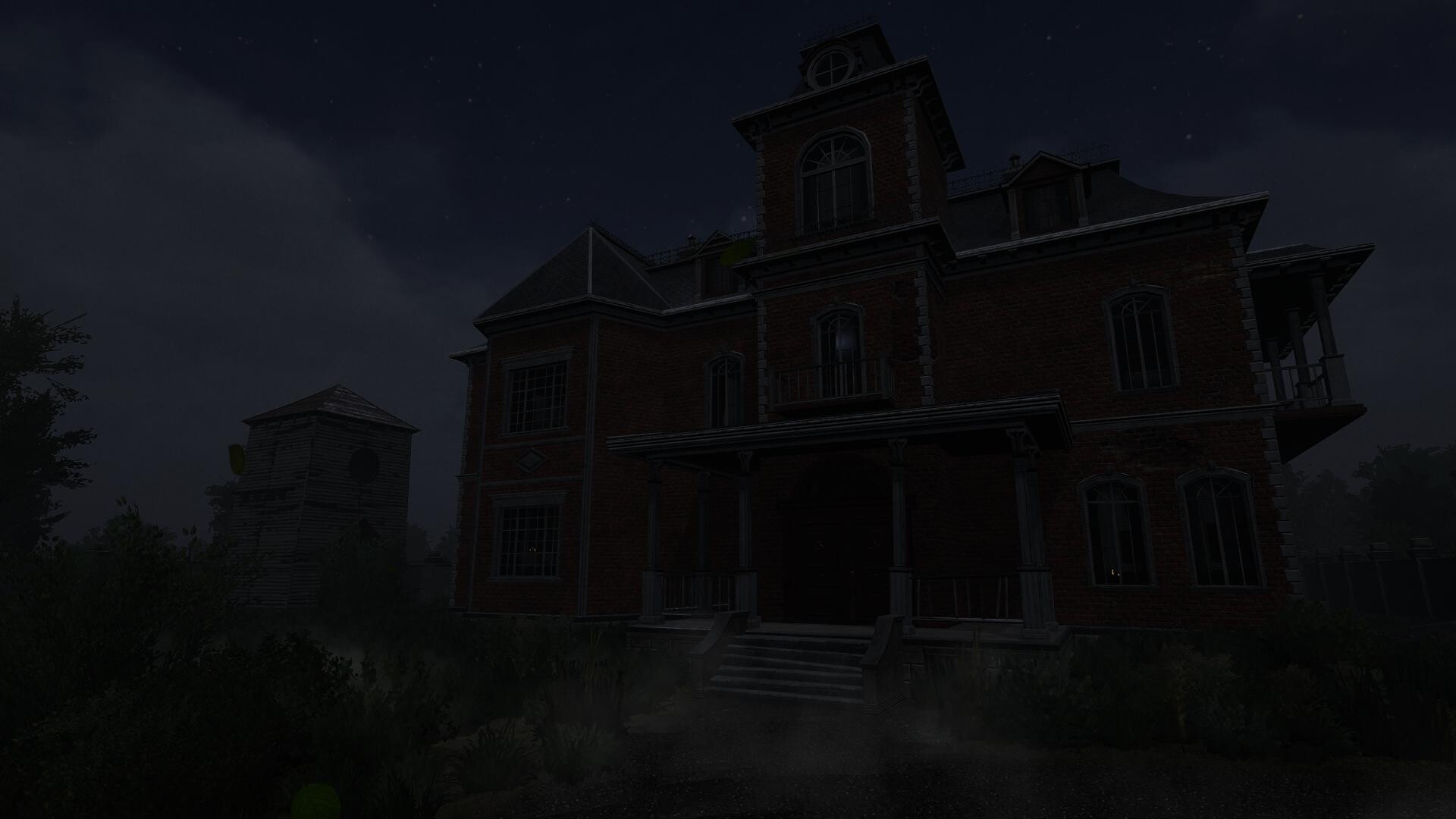

Compact facts — Trace of the Villa
| Title | Trace of the Villa |
|---|---|
| Steam appid | 3483660 |
| Release date | 28 May, 2026 |
| Developer / Publisher | Steadyturtle Co., Ltd. |
| Genres | Action, Adventure, Indie |
| Key Steam categories | Single-player; Color Alternatives; Custom Volume Controls; Playable without Timed Input; Subtitle Options; Family Sharing |
| Official short premise | Jin searches a remote, decaying mansion for his missing sister, recovering manifests and hints that she may still be alive. |
How it stacks up — comparison table
Below is a compact editorial comparison on atmosphere, puzzle focus, exploration style, story tone, and pacing to help you decide if Trace of the Villa fits your shelf alongside other well-known story-driven horrors.
| Game | Atmosphere | Puzzle focus | Exploration style | Story tone / pacing |
|---|---|---|---|---|
| Trace of the Villa | Environmental dread, silence, unsettling room design | Clue-driven documents, locked compartments, reactivated systems | Methodical, investigation-led within a single mansion | Slow-burn suspense that unfolds as systems and records return |
| Amnesia: The Dark Descent | Immediate dread and immersion in a nightmarish environment | Environmental puzzles and avoidance mechanics | First-person exploration through horror set pieces | Intense, survival-tinged pacing focused on immersion |
| SOMA | Sci-fi isolation and existential unease | Puzzles woven into environment and narrative systems | Exploration of facility spaces with narrative reveals | Slow- to mid-pace, narrative-driven questioning of identity |
| Layers of Fear (2016) | Shifting Victorian mansion, psychological atmosphere | Environmental and narrative puzzles tied to madness | Fragmented rooms that change to reflect the protagonist’s mind | Psychological, art-centered pacing that builds dread |
| Poppy Playtime | Playful façade masking unsettling factory interiors | Puzzle tools (GrabPack) and environmental problem solving | Exploration of an abandoned facility with tool-driven traversal | Puzzle-horror with more overt set-pieces and encounters |
Player scenarios — would you enjoy Trace of the Villa?
YouTube discovery
For trailer and gameplay discovery, use YouTube search rather than relying on unverified embeds: Find Trace of the Villa trailer and gameplay searches on YouTube.
Leave a Reply