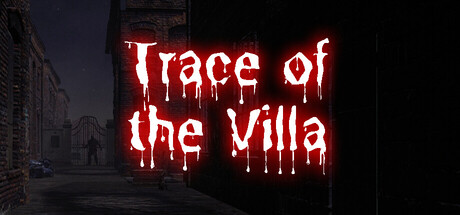
Trace of the Villa: why silence, rooms, and environmental dread do the heavy lifting in modern psychological horror
Trace of the Villa leans on environmental dread over jump-scares: a decaying, deliberately erased mansion and carefully staged rooms turn silence into a storytelling instrument. That quiet uncertainty—furniture left mid-routine, locked doors, power restored to reveal encrypted papers—builds a slow-burn tension that rewards patient, clue-driven players.

Who, what, when, where, why and how — the essentials
Who it’s for
This is for players who prefer atmospheric mystery adventure and psychological investigation over twitch reflex scares: people who enjoy methodical puzzle interplay, exploration of unsettling sets, and piecing together narrative threads from environmental clues. If you like story-rich adventures where tension arises from absence and implication rather than constant shocks, this title suits you.
What the game is
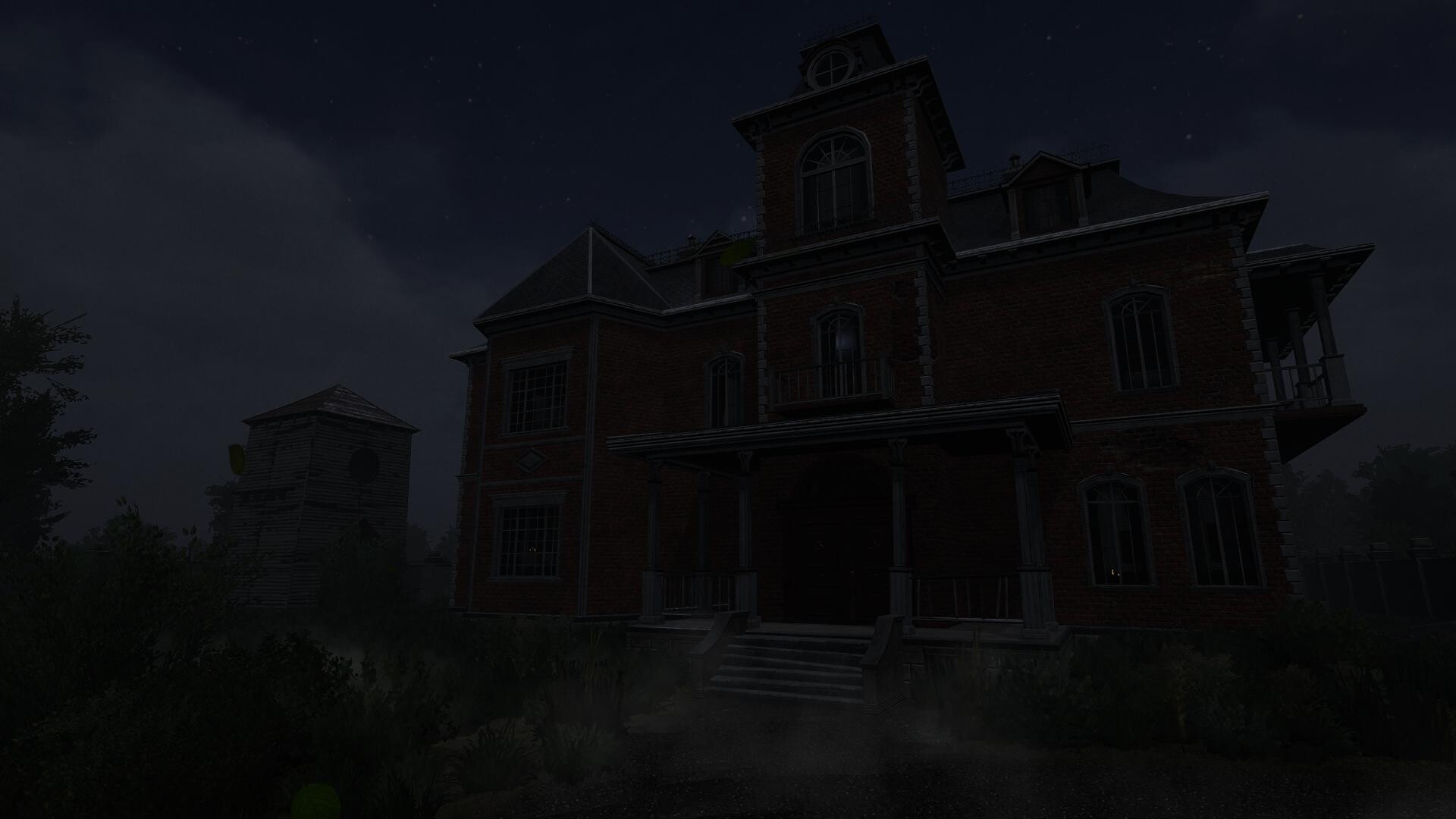
Trace of the Villa is a Steam indie action/adventure released on 28 May, 2026 by Steadyturtle Co., Ltd. The official premise centers on Jin, who has been searching for his missing sister for years and follows a lead to a remote, decaying mansion where manifests and hints suggest she may still be alive. Inside, the estate feels “less abandoned than erased”: rooms are preserved mid-use, identities wiped, and a withheld operation gradually revealed as systems come back online and hidden safes yield fragments of encrypted documents.
When and where
Trace of the Villa released on 28 May, 2026 and is available on Steam for PC. The Steam store page lists developer and publisher as Steadyturtle Co., Ltd.; the store entry also shows categories such as Single-player, Color Alternatives, Custom Volume Controls, Playable without Timed Input, Subtitle Options, and Family Sharing.
Why the theme matters
The game’s central conceit—an erased household and bureaucratic obfuscation—uses spatial storytelling to generate dread. Rather than telling you a secret, the mansion withholds information intentionally: missing photographs, falsified records, and locked rooms become narrative devices. That sustained uncertainty forces players to look more carefully at room design and mundane objects, and the dread comes from inference rather than direct confrontation.
How you progress
According to the official store text, Jin restores power to the estate and that action reactivates secured systems, opens hidden compartments, and lets safes yield encrypted fragments and suspicious transfer records. Puzzle solving here is investigative: solving one lock or decoding one fragment points to another lead. Progress is clue-driven—each discovery peels back another layer of an operation that masked arrivals and departures—so expect methodical exploration and document-based revelations rather than reflex-based combat sequences.
Key visuals from the Steam page

Compact facts — Trace of the Villa
| Title | Trace of the Villa |
|---|---|
| Steam AppID | 3483660 |
| Release date | 28 May, 2026 |
| Developer / Publisher | Steadyturtle Co., Ltd. |
| Genres | Action, Adventure, Indie |
| Categories / accessibility | Single-player; Color Alternatives; Custom Volume Controls; Playable without Timed Input; Subtitle Options; Family Sharing |
| Official short description | Jin searches for his missing sister in a remote, decaying mansion where manifests and hints suggest she may still be alive. |
Comparison: where Trace of the Villa sits among slow-burn psychological titles
Below is a focused editorial comparison on atmosphere, puzzle emphasis, exploration, story tone, and pacing—intended to help you decide whether to wishlist Trace of the Villa or look elsewhere.
| Title | Genre / Setting | Atmosphere | Puzzle focus | Exploration style | Story tone / pacing | Player fit |
|---|---|---|---|---|---|---|
| Trace of the Villa | Action / Adventure / Indie — decaying mansion | Environmental dread, silence, erased identities | Clue-driven, document & systems-based puzzles (power restoration, safes, encrypted fragments) | Methodical, room-by-room reconstruction of events | Slow-burn, investigative; tension through implication | Players who value environmental storytelling and patient puzzle investigation |
| Amnesia: The Dark Descent | Action / Adventure / Indie — gothic horror | Immersion and dread through vulnerability and darkness | Puzzle and avoidance; survival elements shape puzzle pressure | Exploratory, first-person immersion | Intense, claustrophobic pacing with recurring threat | Players seeking visceral immersion and survival-tension |
| SOMA | Action / Adventure / Indie — sci-fi, underwater facility | Atmospheric, existential dread below the waves | Puzzle and narrative puzzles tied to environment and systems | Exploration of confined, high-tech spaces | Slow to mid-paced; philosophical, unsettling revelations | Players who want atmosphere plus philosophical unease |
| Layers of Fear (2016) | Adventure / Indie — Victorian mansion, changing architecture | Psychological, hall-of-mirrors dread via shifting spaces | Environmental, narrative puzzles integrated with changing layout | Surreal, deliberately disorienting exploration | Psychological escalation; emphasis on mood over action | Players who enjoy unreliable spaces and story-centric dread |
| Poppy Playtime | Action / Adventure / Indie — abandoned toy factory | Tense, toy-based uncanny horror | Puzzle mechanics tied to unique tools (e.g., GrabPack) | Linear exploration of set-piece factory areas | Paced around set
Steam pageView Trace of the Villa on Steam YouTube discoveryFor trailer and gameplay discovery, use YouTube search rather than relying on unverified embeds: Find Trace of the Villa trailer and gameplay searches on YouTube. CommentsMore posts |
Leave a Reply