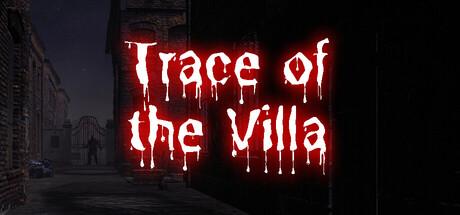
Trace of the Villa: why environmental dread and quiet uncertainty beat cheap shocks
Trace of the Villa is a slow-burn, clue-driven investigation set in a remote, decaying mansion where Jin searches for his missing sister. Released on 28 May, 2026 by Steadyturtle Co., Ltd., the game trades jump scares for layered room design, suffocating silence, and puzzles that reveal a deliberately erased past.

Quick facts
| Title | Trace of the Villa |
|---|---|
| Steam App ID | 3483660 |
| Release date | 28 May, 2026 |
| Developer / Publisher | Steadyturtle Co., Ltd. |
| Official short description | Jin has spent years searching for his missing sister, pursuing leads that took him to a remote, decaying mansion where he recovered manifests and hints that indicate his sister may still be alive, somewhere at the end of the trail he is about to follow. |
| Genres | Action, Adventure, Indie |
| Key Steam categories | Single-player; Color Alternatives; Custom Volume Controls; Playable without Timed Input; Subtitle Options; Family Sharing |
Who this is for
If you prefer atmospheric mystery adventure over reflex-based horror, Trace of the Villa is aimed at players who value environmental storytelling and patient puzzle work. It suits those who enjoy tracing financial and forensic clues, reading spaces like documents, and tolerating—then leaning into—long stretches of unsettling quiet rather than constant on-screen threats.
What the game is (and what it isn’t)
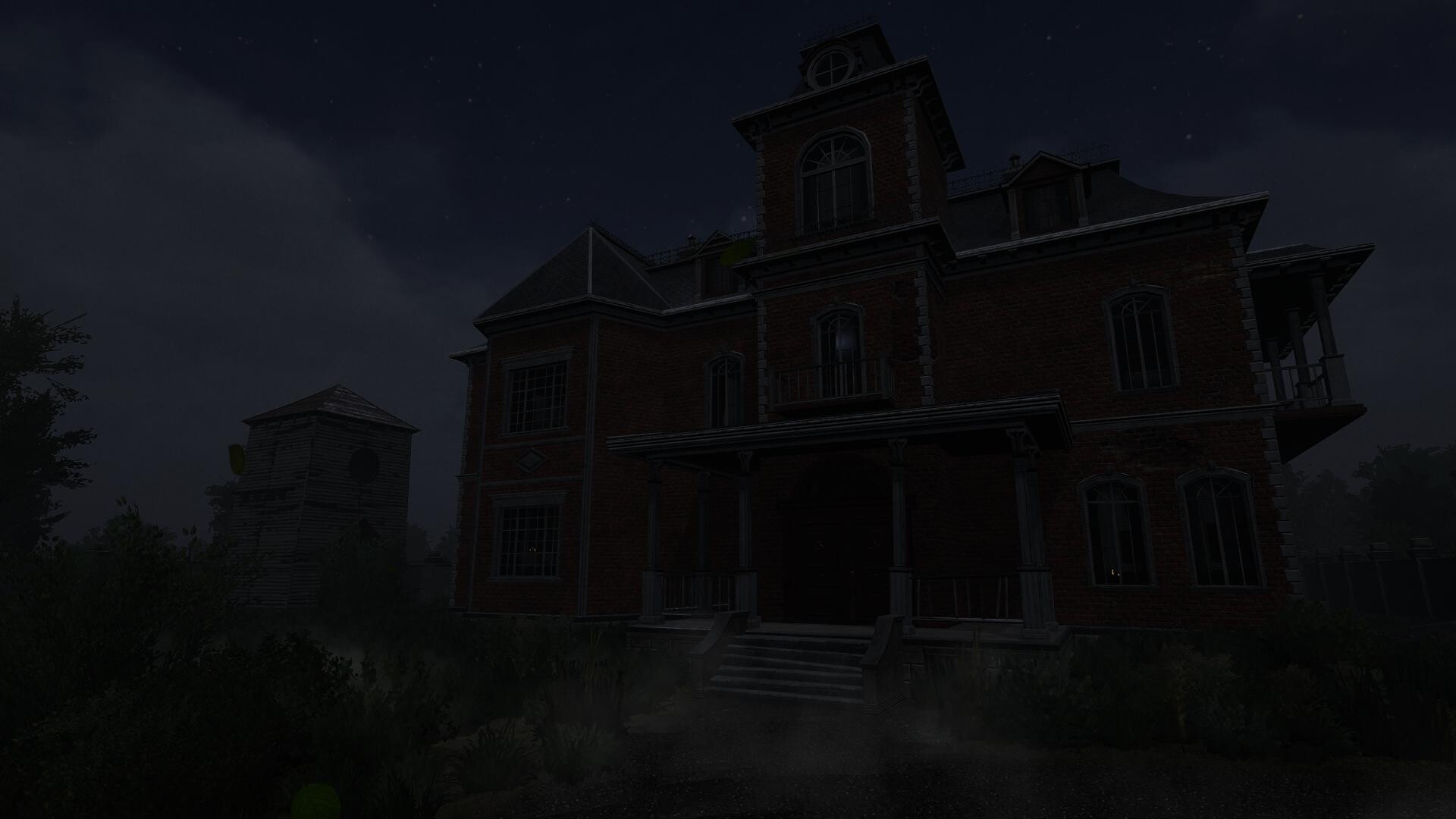
Trace of the Villa positions itself as a narrative puzzle adventure anchored to an investigative premise: Jin finds a cut‑off mansion where rooms look as if people vanished mid-routine, with personal belongings present but names and photographs removed. When power is restored, secured systems and hidden compartments begin to reveal manifests, encrypted documents, and suspicious transfer records. The core loop is exploration and evidence-gathering: restore systems, unlock safes, assemble fragmented timelines.
When and where to find it
Trace of the Villa launched on Steam on 28 May, 2026. You can view the store page here: Trace of the Villa on Steam.
Why quiet tension and uncertainty matter
Environmental dread is about what a space implies when you strip away identifiers. In Trace of the Villa the absence of photographs and names, rooms frozen mid-use, and intentionally erased records create an existential itch: the mansion feels less abandoned than rewritten. That silence—heavy, suffocating—does two things for pacing and player psychology. First, it amplifies small sensory cues (a light flickering back on, a drawer that yields a misfiled manifest). Second, it makes discovery itself the primary emotional beat. Where a jump scare delivers an immediate spike, well‑designed uncertainty produces lingering questions that reshape how you interpret every corridor and locked door.
For players who enjoy slow-burn suspense, this kind of tension is more sustainable and narratively satisfying than repeated shocks. It turns room design into a storytelling device: an offset plate of cutlery indicates interrupted dinner, a stripped ledger signals deliberate erasure, a powered-but-locked appliance hints at someone returning the keys. Each element raises stakes without explicit confrontation.
How progression and clue-reading work
The official description makes clear the investigative scaffolding: Jin restores power, secured systems return, and previously inaccessible spaces yield fragments—encrypted files, transfer records, and hidden compartments. Progress is clue-driven rather than action-driven: solve puzzles or locate access points to bring systems back online, then assemble what the estate reveals to reconstruct movements and motives. Expect a mechanics emphasis on environmental puzzles and document fragments rather than combat or timed inputs—the Steam categories include “Playable without Timed Input” and subtitle and accessibility options that support a quieter, deliberate playstyle.
Player scenarios: who should wishlist, who should wait
- Wishlist if you enjoy methodical exploration, environmental storytelling, and puzzle-based progression with a focus on narrative reconstruction.
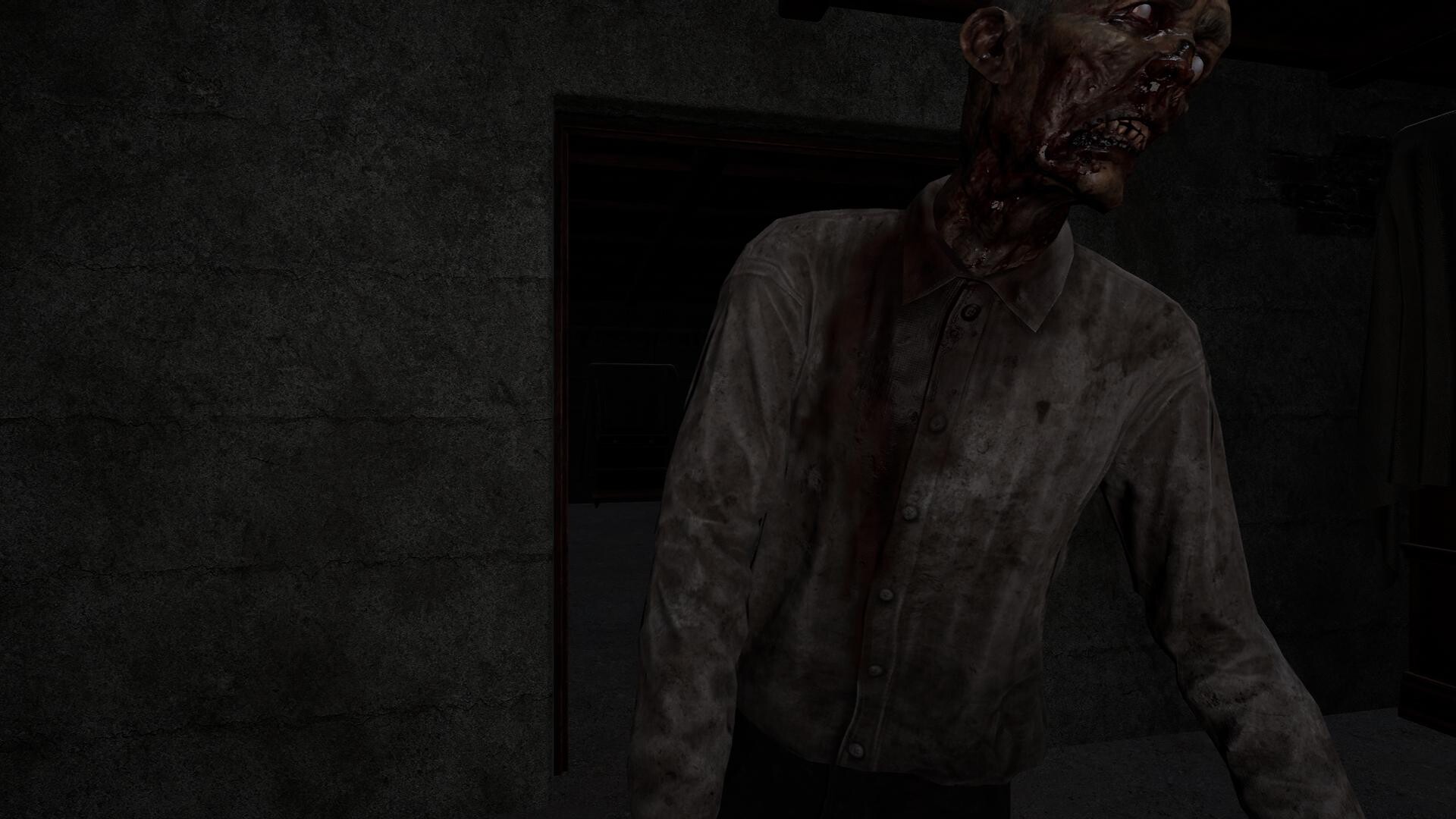
- Consider waiting if you prefer fast-paced scares, combat, or horror that relies on frequent audio/visual assaults and immediate threats.
- Good fit for players who like reading dossiers and piecing together timelines from documents, manifests, and partially restored systems.
How it compares — short editorial table
| Game | Release | Atmosphere / Tone | Puzzle & Exploration | Pacing / Player fit |
|---|---|---|---|---|
| Trace of the Villa | 28 May, 2026 | Decaying mansion, erased identities, quiet dread | Clue-driven, restore systems, hidden compartments, document fragments | Slow-burn; for investigative, patient players |
| Amnesia: The Dark Descent | 8 Sep, 2010 | Immersive, survival horror with oppressive atmosphere | Exploration with survival mechanics; discovery-focused | High-tension immersion; players seeking intense dread |
| SOMA | 21 Sep, 2015 | Sci-fi, existential dread under the sea | Exploration and narrative puzzles; philosophical tone | Slow, contemplative; players who value story over action |
| Layers of Fear (2016) | 15 Feb, 2016 | Psychological, shifting Victorian mansion | Atmospheric puzzles tied to storytelling and perception | Psychological focus; for players who like unreliable spaces |
| Poppy Playtime | 12 Oct, 2021 | Abandoned toy factory with tense encounters | Puzzle-adventure with interactive tools (GrabPack) | More action/puzzle hybrid; players wanting threats mixed with puzzles |
YouTube discovery
If you want to see trailers or gameplay clips, search YouTube (results vary): YouTube search: Trace of the Villa trailer / gameplay. This link points to public search results; it is provided as a discovery path rather than confirmation of any single official video.
Final take
Trace of the Villa emphasizes environmental dread, careful room composition, and the slow accumulation of unsettling evidence. If your ideal horror experience is repairing circuits, opening safes, and watching an estate reveal a clandestine, depersonalized history—quietly, piece by piece—this is the kind of Steam indie psychological investigation that will reward patience. If you want repeated jolts or fast combat, it’s likely not the best fit.
Steam link
Disclaimer: Referenced titles and trademarks belong to their respective owners. Comparisons in this article are editorial discovery only and not endorsements.
Leave a Reply