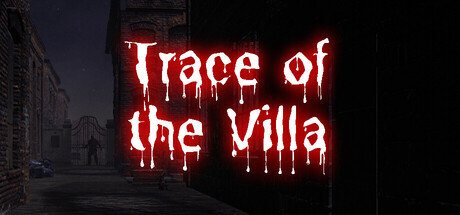
Trace of the Villa — why hush, rooms, and slow dread matter more than jump scares
Trace of the Villa is a story-rich PC mystery from Steadyturtle Co., Ltd. that leans on environmental dread: a decaying, deliberately forgotten mansion whose furnished rooms feel “erased” rather than merely empty. Released on 28 May, 2026 for Steam, the game casts you as Jin, a searcher piecing together manifests, encrypted records and locked compartments to follow a trail that might lead to a missing sister.

Who: the player this game is for
This is for players who prefer atmospheric mystery adventure and psychological investigation over twitch reflex horror. If you value clue-driven exploration, puzzles that unlock narrative fragments, and a slow-burn mood built from silence and odd domestic detail, Trace of the Villa is aimed at you. It sits in the Action / Adventure / Indie space on Steam and is presented as a single-player experience with accessibility options such as subtitles and custom volume controls.
What: the game, in practice
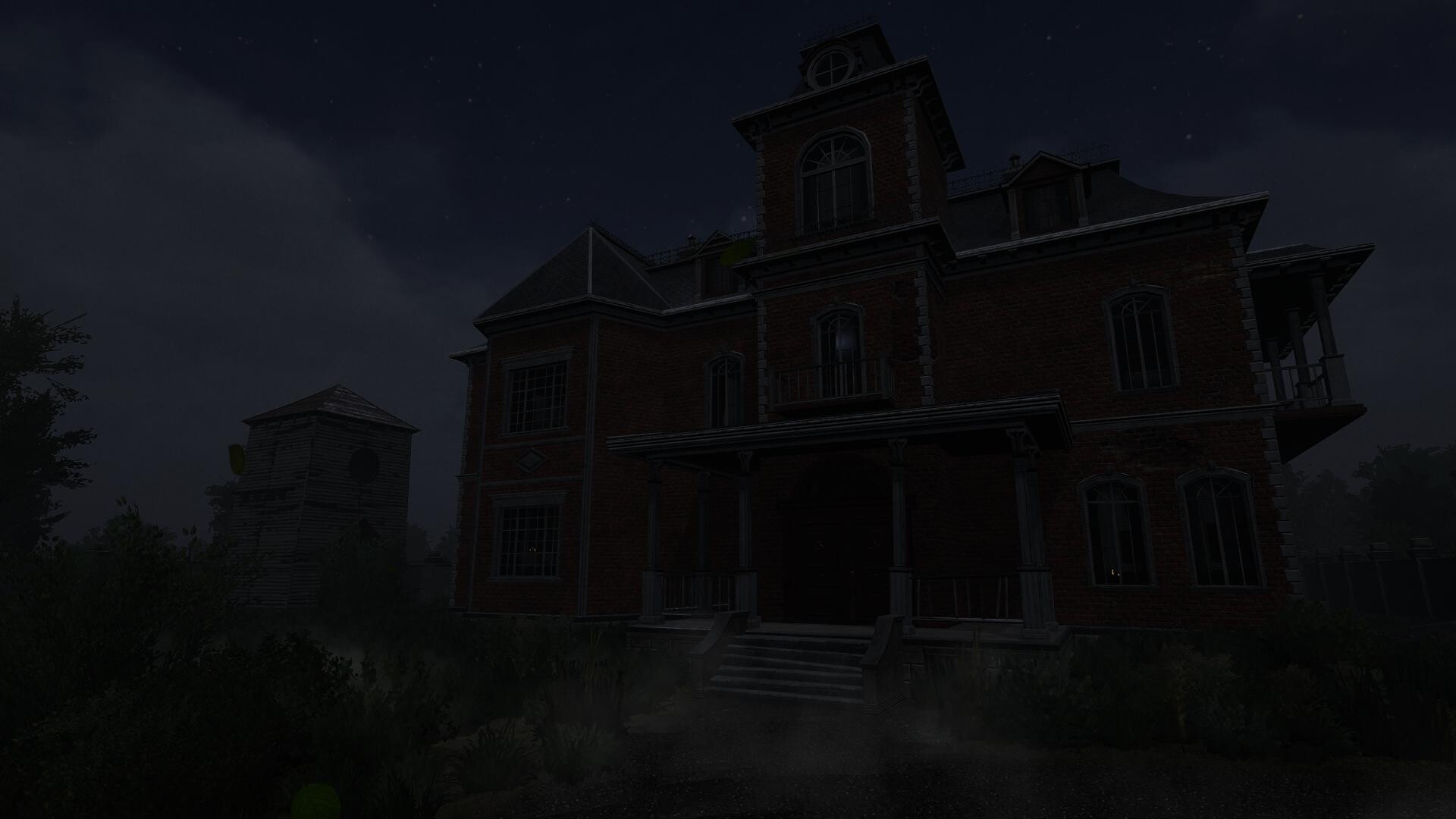
Official descriptions present Trace of the Villa as a mansion mystery where Jin’s search for his missing sister leads him to a remote estate cut off from the grid. Rooms are staged as though their occupants vanished mid-routine; identities are absent, photos and names stripped away. Gameplay described on the Steam page emphasizes restoration and discovery: restoring power to the estate brings systems back online, hidden compartments and safes unlock, and documents — some encrypted — reveal financial trails and falsified identities. The progression is investigative and puzzle-driven rather than combat-first.
When and where: availability
Trace of the Villa was released on 28 May, 2026 on Steam. The Steam store page and widget for the game are embedded at the end of this article for easy wishlist or purchase access.
Why the quiet tension and unsettling room design matter
Environmental dread is not just style — it’s a gameplay lever. Rooms that feel “erased” turn ordinary objects into narrative signposts: a stovetop left on, a folded piece of clothing, a safe whose dial has been manipulated. Silence and absence force players to supply a mental soundtrack; every drip, creak or restored light becomes meaningful. When progression depends on reconstructing systems (restoring power, unlocking compartments) the mansion itself becomes an interlocutor. That design rewards patient players who read an environment as evidence rather than as a backdrop for jump scares.
How you read clues and move the story forward
- Restore estate systems: turning the house back on reveals new interactions and hidden spaces.
- Inspect staged rooms: objects and the way rooms are left provide context where written records are missing.
- Solve puzzles to access records: safes and encrypted documents are described as core devices that open narrative threads.
- Follow manifests and hints: recovered manifests and hints point Jin along a trail that may connect to his sister’s fate.
Compact facts — Trace of the Villa
| Title | Trace of the Villa |
|---|---|
| Developer | Steadyturtle Co., Ltd. |
| Publisher | Steadyturtle Co., Ltd. |
| Release date | 28 May, 2026 |
| Steam appid | 3483660 |
| Genres | Action, Adventure, Indie |
| Categories | Single-player; Color Alternatives; Custom Volume Controls; Playable without Timed Input; Subtitle Options; Family Sharing |
| Short premise | Jin recovers manifests and hints in a decaying mansion indicating his missing sister may still be alive. |
Visuals from the Steam page
Comparison: where Trace of the Villa sits in the psychological-horror / mystery spectrum
Below is an editorial comparison on atmosphere, puzzle focus, exploration style and pacing — intended to help readers decide which title better matches their tastes.
| Game | Year | Atmosphere & Focus | Player fit |
|---|---|---|---|
| Trace of the Villa | 2026 | Environmental dread, staged domestic interiors, investigative puzzles unlocking records and compartments. | Players who want slow-burn suspense, clue-driven exploration and narrative puzzle design. |
| Amnesia: The Dark Descent | 2010 | Immersive first-person survival horror focused on vulnerability and sustained dread. | Players who want immersion and fear from helplessness and continuous tension. |
| SOMA | 2015 | Sci-fi horror with existential themes; atmospheric exploration underlined by narrative questions about identity. | Players seeking story-heavy, philosophical horror with exploration and pacing that favors thought over shock. |
| Layers of Fear (2016) | 2016 | First-person psychological horror in a Victorian mansion; shifting rooms and story-driven environmental scares. | Players who enjoy surreal, art-focused horror and an emphasis on storytelling through changing spaces. |
| Poppy Playtime | 2021 | Horror/puzzle adventure in an abandoned toy factory, with scripted encounters and gadget-driven puzzles. | Players looking for puzzle mechanics with intermittent encounters and a more overt antagonist presence. |
Player scenarios — who should wishlist this on Steam
- You’re a slow-burn player: you prefer tension built over time from silence and detail rather than frequent jump scares.
- You’re a detective player: you enjoy reconstructing events from objects, manifests, and encrypted fragments and don’t need constant combat.
- You care about environmental storytelling: rooms that feel staged or intentionally altered to hide traces of identity will keep you engaged.
- You use accessibility features: the Steam page lists subtitle options and custom volume controls that help tune the experience.
YouTube discovery
If you want trailers or gameplay clips, search for Trace of the Villa on YouTube: Trace of the Villa — YouTube search results. This is a general discovery link; verify any channel before assuming it’s an official trailer.
Steam store page: Trace of the Villa on Steam
Referenced titles and trademarks belong to their respective owners. Comparisons here are editorial discovery only.
Leave a Reply