
Who should consider Trace of the Villa after enjoying atmospheric mystery adventures
Trace of the Villa (Steadyturtle Co., Ltd., released 28 May, 2026) is a slow-burn, mansion-centered mystery that positions investigation and environmental storytelling at its core. If you favour atmospheric, clue-driven exploration where restoring systems and unlocking hidden records peel back layers of a deliberately erased past, this is the kind of Steam indie mystery to consider wishlisting.

Quick facts
| Title | Trace of the Villa |
|---|---|
| Steam appid | 3483660 |
| Release date | 28 May, 2026 |
| Developer | Steadyturtle Co., Ltd. |
| Publisher | Steadyturtle Co., Ltd. |
| Genres | Action, Adventure, Indie |
| Steam categories | Single-player; Color Alternatives; Custom Volume Controls; Playable without Timed Input; Subtitle Options; Family Sharing |
| Short premise | Jin searches a remote, decaying mansion for clues that his missing sister may still be alive. |
What the game is — tone, structure and investigative focus
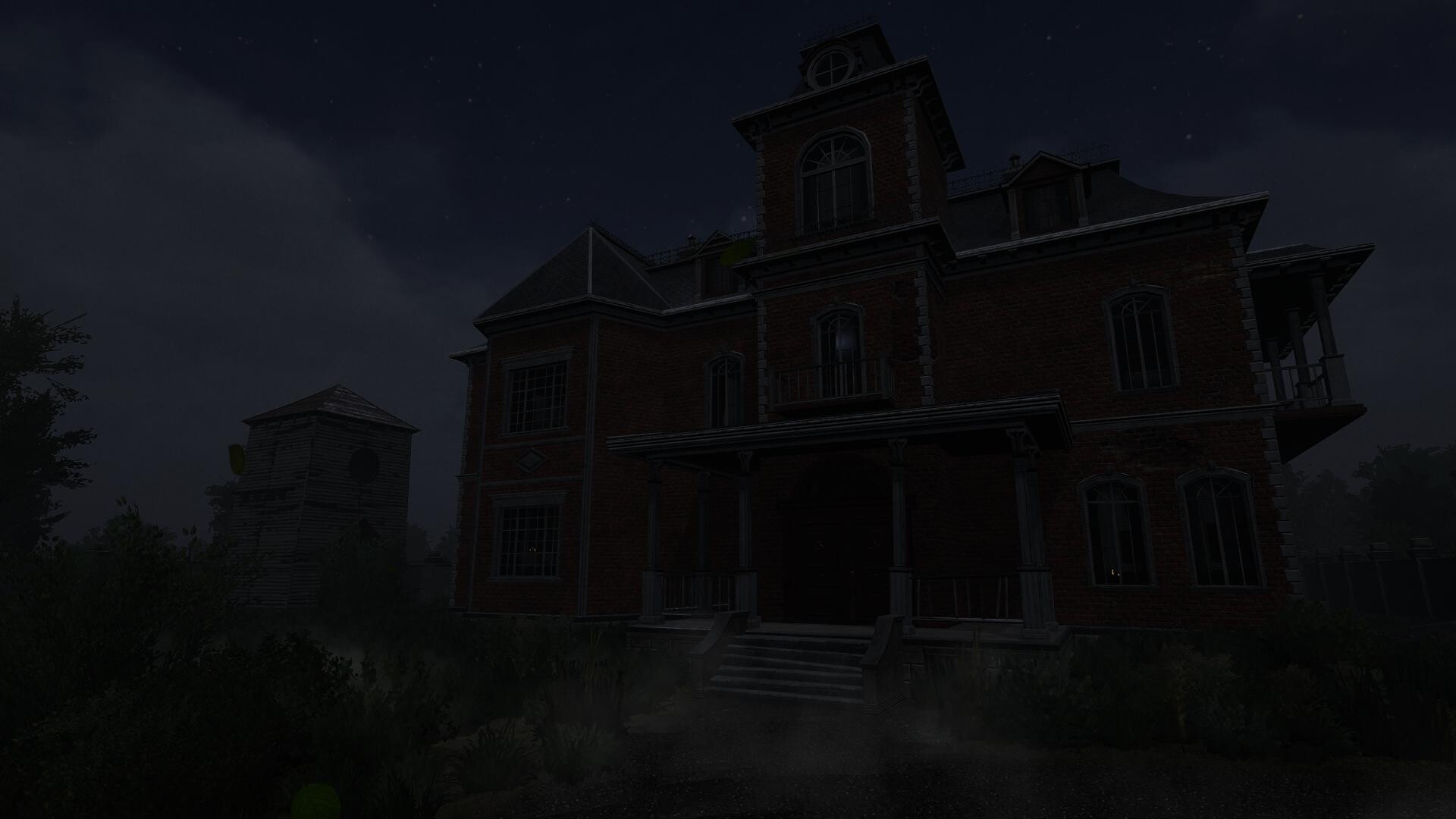
Trace of the Villa frames its story around a decaying mansion cut off from the grid. The official Steam description emphasises a personal investigation: rooms furnished as if occupants vanished, locked doors hiding secured secrets, and an estate that begins to reveal what it was hiding when Jin restores power. Gameplay emphasis in the description rests on restoring systems, opening hidden compartments, accessing safes and decrypting fragments of documents — a narrative puzzle design where each solved puzzle uncovers financial trails, falsified identities and more questions rather than immediate answers.
Who it is for
This is for players who prefer: slow-burn suspense over jump scares; environmental storytelling that rewards methodical observation; puzzle moments tied to narrative beats (unlocking records, restoring power and revealing hidden compartments); and a mansion mystery that leans into erased identities and institutional secrecy. If you like tracing paper-thin clues across rooms and letting atmosphere drive the tension, Trace of the Villa lines up with that taste.
When and where — Steam availability
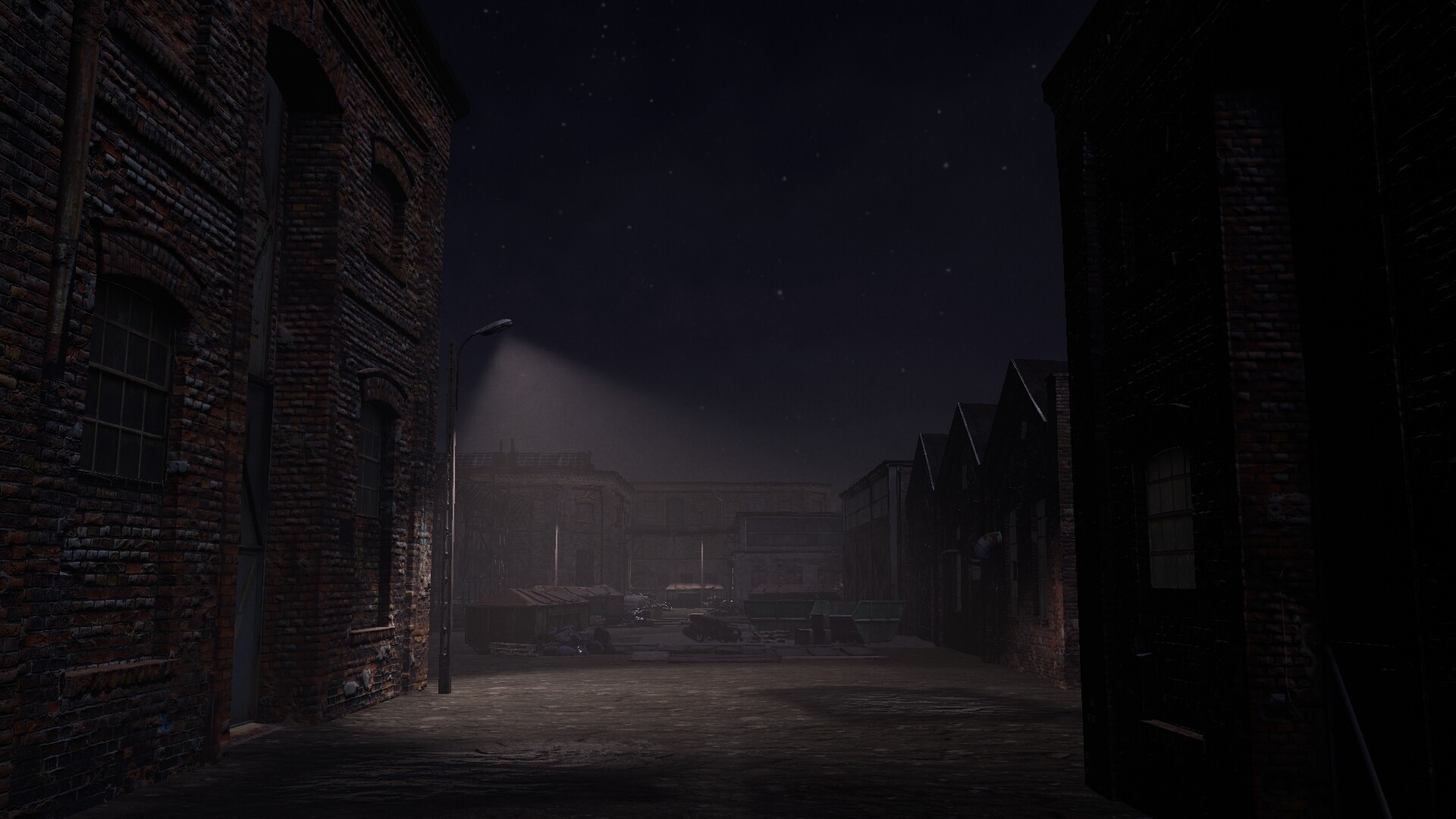
Trace of the Villa is available on Steam with a release date listed as 28 May, 2026 (Steadyturtle Co., Ltd.). The game’s Steam page includes the official header and multiple screenshots showing interior spaces and UI elements; the store entry also lists the genres and Steam categories noted above.
How you progress — reading clues and the game’s investigative logic
The store description indicates progression is driven by restoring estate systems and unlocking secured areas. Restoring power brings systems back online, hidden compartments and safes yield fragments of encrypted documents and suspicious transfer records, and solving puzzles peels back layers of a concealed operation. The investigative loop described is: explore rooms, reactivate infrastructure, access locked content, and follow documentary leads — a clue-first design where puzzles are narrative gates rather than isolated brainteasers.
Comparison: how Trace of the Villa sits alongside similar mystery/adventure titles
Below is a lawful editorial comparison focused on tone, pacing, puzzle style, exploration emphasis and the player profile each title tends to attract. These are editorial observations based on official store descriptions and genre labels.
| Criterion | Trace of the Villa | Amnesia: The Dark Descent | SOMA | Layers of Fear (2016) | The Room | Rusty Lake Hotel |
|---|---|---|---|---|---|---|
| Tone / Atmosphere | Decaying mansion, erased identities, slow-burn, uneasy discovery. | Immersive, survival horror focused on dread and vulnerability. | Sci‑fi horror with existential unease beneath the waves. | Psychological, Victorian mansion, artist’s descent into obsession. | Contained, mysterious puzzle-box atmosphere, tactile and intimate. | Dark, eerie point‑and‑click puzzles with a stylised, surreal bent. |
| Pacing | Described as methodical and investigative — slower reveals via systems and documents. | Often tense and survival-driven with pacing tied to hiding/escape. | Measured, exploratory, with philosophical beats and oppressive tension. | Variable — moments of mounting psychological intensity within a confined setting. | Compact, puzzle-centric pacing focused on successive mechanical challenges. | Short, structured episodes (serving guests) with puzzle-driven progression. |
| Puzzle style | Narrative-linked puzzles: power restoration, safes, encrypted fragments (per store description). | Environmental puzzles supporting survival and escape scenarios. | Puzzles integrated into narrative and exploration rather than timed action. | Story-oriented puzzles that amplify psychological storytelling. | Mechanical, tactile puzzle-box design—single-room problem solving. | Point-and-click inventory and logic puzzles across short chapters. |
| Exploration focus | Room-by-room reconstruction of past occupancy and institutional traces. | First-person traversal with an emphasis on stealth and avoidance. | Underwater facility exploration with narrative-driven areas. | Shifting mansion spaces that reflect mental state and narrative beats. | Highly focused exploration of puzzle devices and immediate surroundings. | Scene-based exploration with a strong puzzle-object focus. |
| Player fit | Players who prize environmental storytelling, patient clue-reading and slow narrative reveals. | Players who want intense atmosphere and survival-horror tension. | Players who prefer sci‑fi themes, atmospheric dread and philosophical undertones. | Players drawn to psychological narratives and mood-driven exploration. | Players who enjoy compact, intricate puzzles and tactile problem-solving. | Players who like short, strange puzzle adventures in a point‑and‑click format. |
Player scenarios — who should wishlist it
- You liked immersive, room-scale mysteries (think sustained tension and atmospheric payoff) and want a narrative where documents and restored systems reveal the plot.
- You enjoy slower investigative loops that reward patience and careful observation rather than reflex-based encounters.
- You appreciate story-first puzzles that unlock context — if you prefer puzzle-box sequences with minimal narrative, this may feel more narrative-led than mechanically dense.
- You want a mansion mystery that emphasizes institutional secrecy, falsified identities and financial traces in its story scaffolding.
YouTube discovery
If you want trailer or gameplay footage, search YouTube for Trace of the Villa trailer or gameplay: View Trace of the Villa on Steam
YouTube discovery
For trailer and gameplay discovery, use YouTube search rather than relying on unverified embeds: Find Trace of the Villa trailer and gameplay searches on YouTube.
Leave a Reply